5 Bedroom Design Mistakes You Might Be Making (& Their Fast Fixes)
This post may contain affiliate links. For more information, please see our disclosure policy.
Struggling with a bedroom design that never quite feels right? Then you are in good company! Many of us invest in quality furniture and beautiful bedding, only to find our sleep spaces still missing that perfect and finished look we’re after.
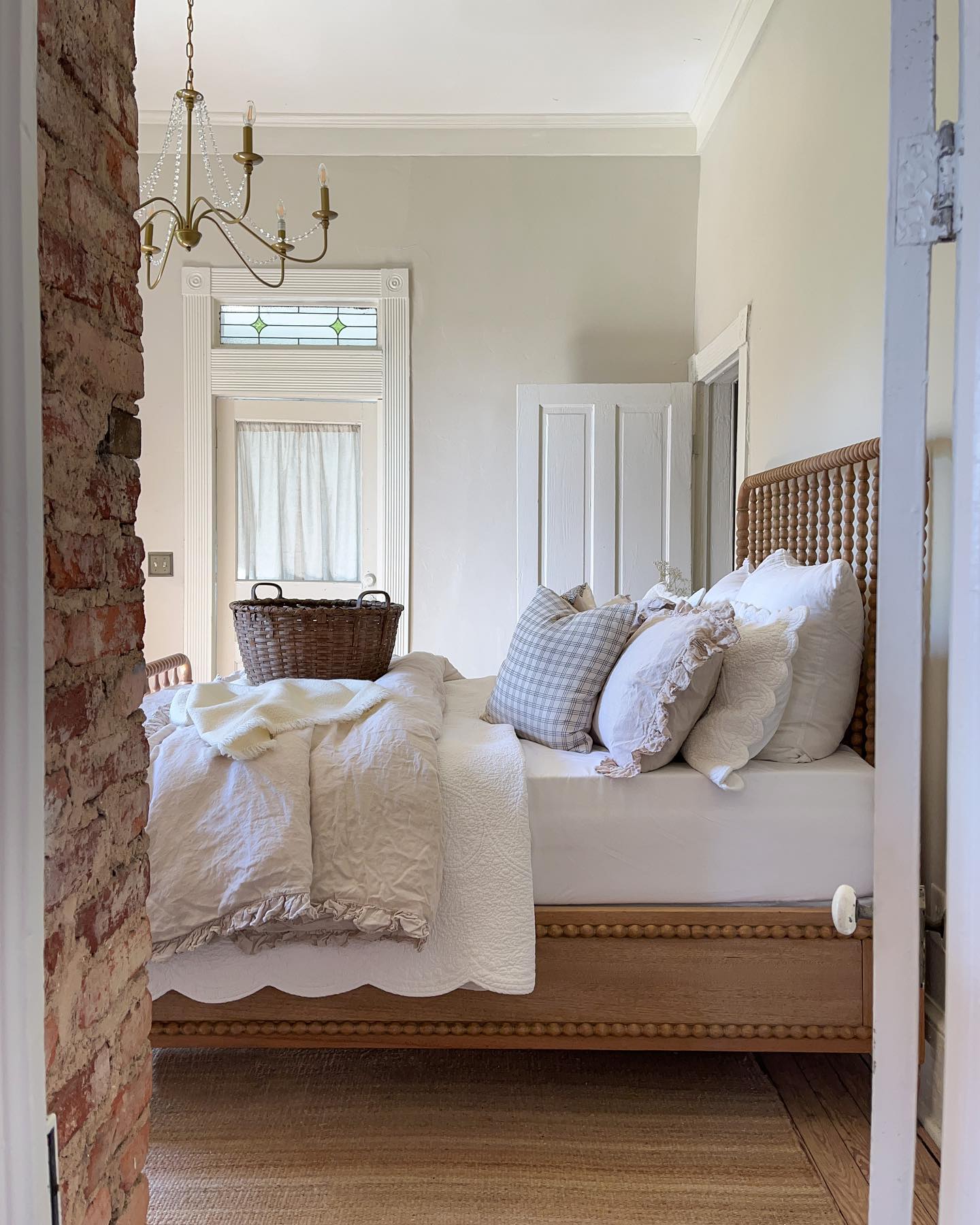
Whether you’re dealing with an awkward layout or lighting that never seems adequate, these common design missteps can transform your would-be personal retreat room into a frustrating puzzle.
From beds pushed against walls to undersized rugs that barely peek out from under your furniture, there’s an endless supply of slight errors that have a huge impact.
The good news? Those magazine-worthy bedrooms you’ve been pinning aren’t out of reach—they’re often just a few smart fixes away from becoming your reality.
And in this guide, I’ll share with y’all what you need to identify and solve the most common bedroom design mistakes. We’ll explore everything from lighting layers to textile choices with practical solutions that don’t require complete room overhauls. Hint: You might want to move your bed or reconsider that overhead lighting!
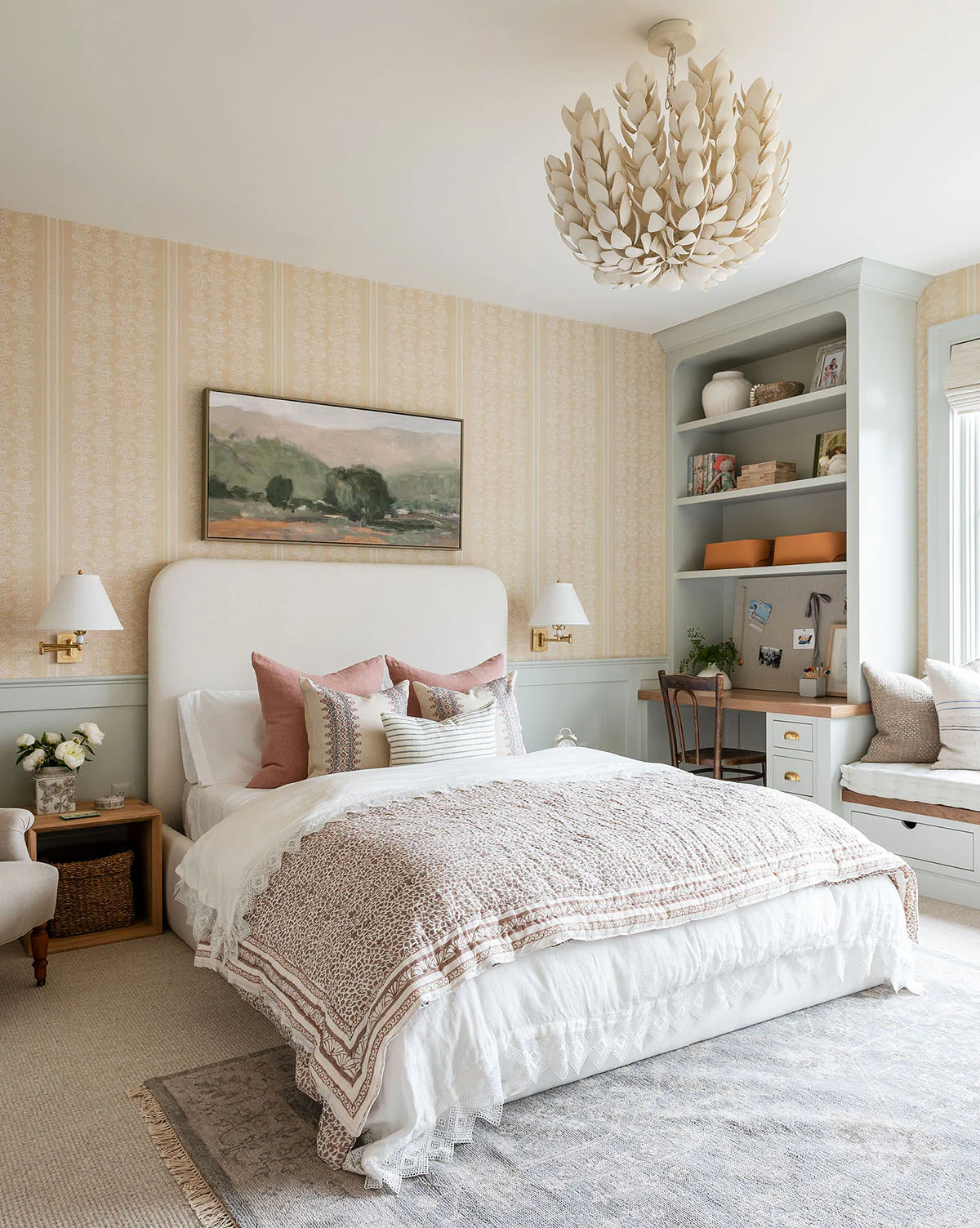
Your room can be that soothing space you dream of, that helps you get restful sleep and peaceful waking moments. But for this, you need to look at your bedroom design and make sure it works for you and not against you.
Let’s walk through five bedroom design mistakes you are probably making and the simple solutions to fix them fast.
Mistake #1: Poor Lighting Layers
Y’all know that feeling when a bedroom just doesn’t feel quite right? Often, the culprit is hiding in plain sight—your lighting setup.
That single overhead fixture casting harsh shadows across the room is working against everything else you’ve done to create a beautiful sleep space.

Lighting shapes your entire bedroom design and experience. Beyond basic visibility, it affects how wall colors read, how textures feel, and, most importantly, how the room transitions from an energizing morning space to a calming nighttime retreat.
A poorly lit bedroom disrupts this natural rhythm, making the space feel flat during the day and too stimulating in the evening when you need to wind down.
The solution? A thoughtful three-point lighting approach that designers swear by.
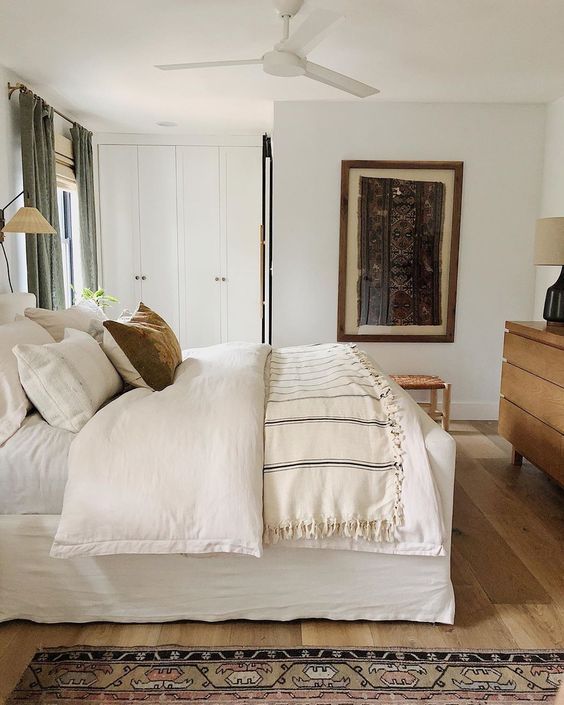
Start with ambient lighting—this includes your overhead fixture, ideally with a dimmer switch to adjust intensity throughout the day.
Next, add task lighting where you need it most—bedside lamps for reading or a directed light near your dresser.
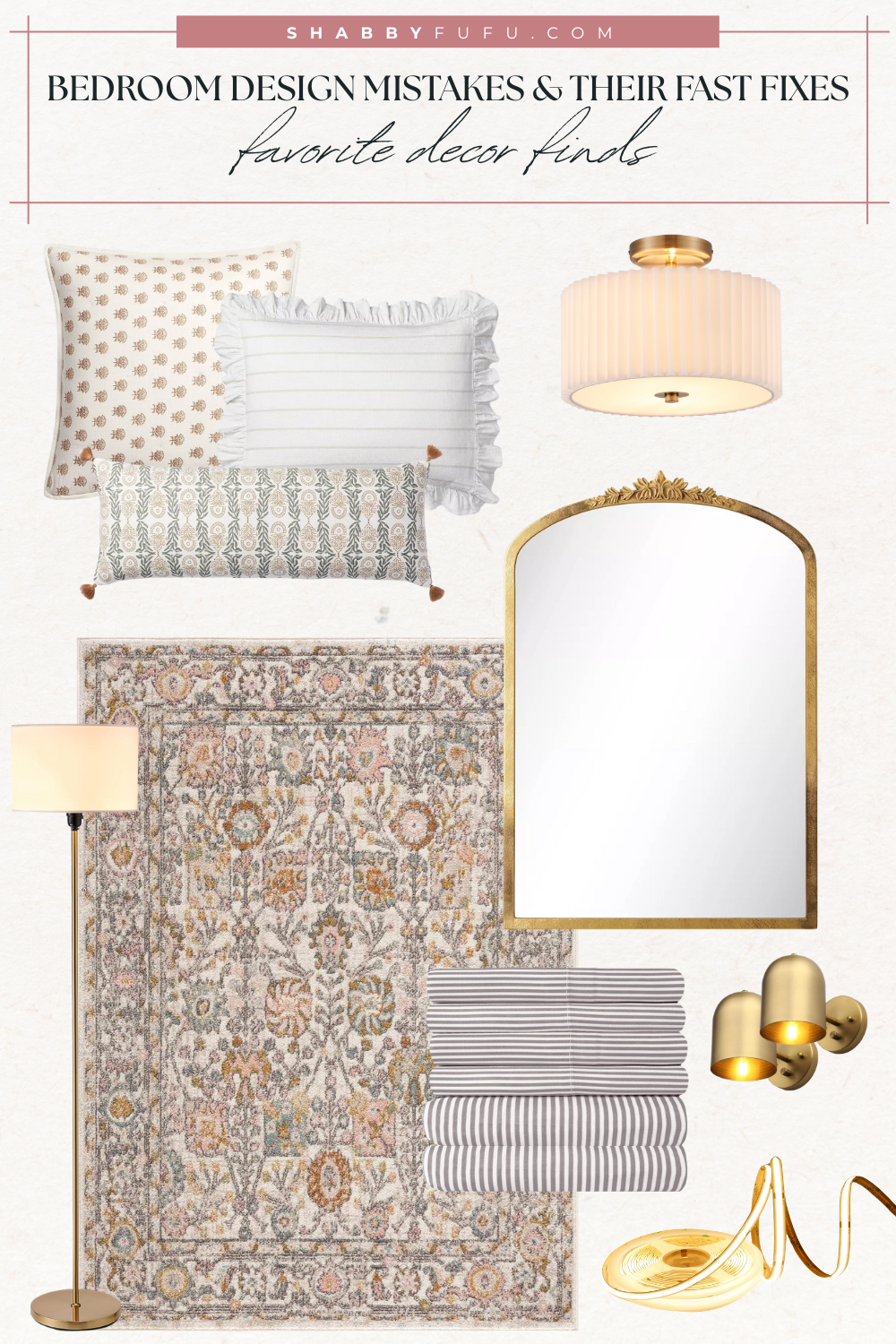
Finally, incorporate accent lighting to highlight architectural details or create depth—wall sconces, small table lamps on a console, or even LED strips for a subtle glow.
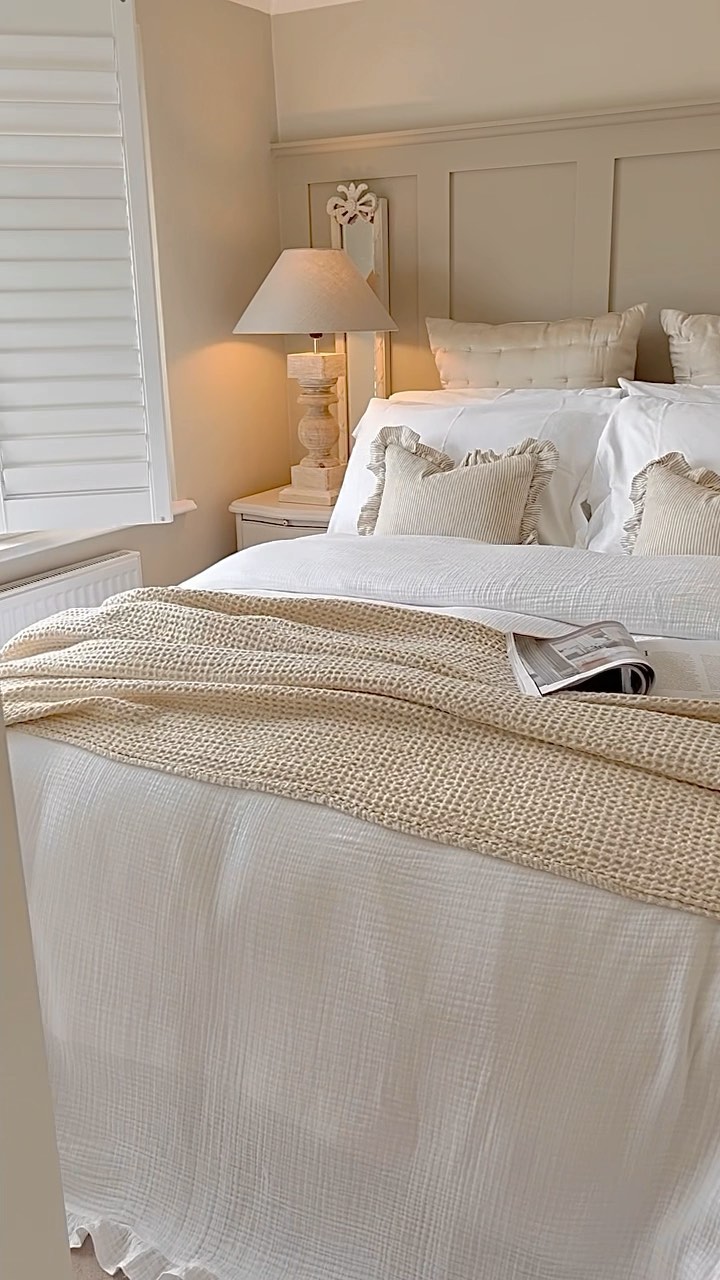
You can also use accent light to not just add that special glow but to target minor issues that, once fixed, totally elevate your bedroom to hotel status.
For example, adding warm LED light strips under your bed frame’s side rails to lighten up your way for those midnight trips.
Also, consider plug-in wall sconces to free up valuable nightstand space while adding a little architectural detail.
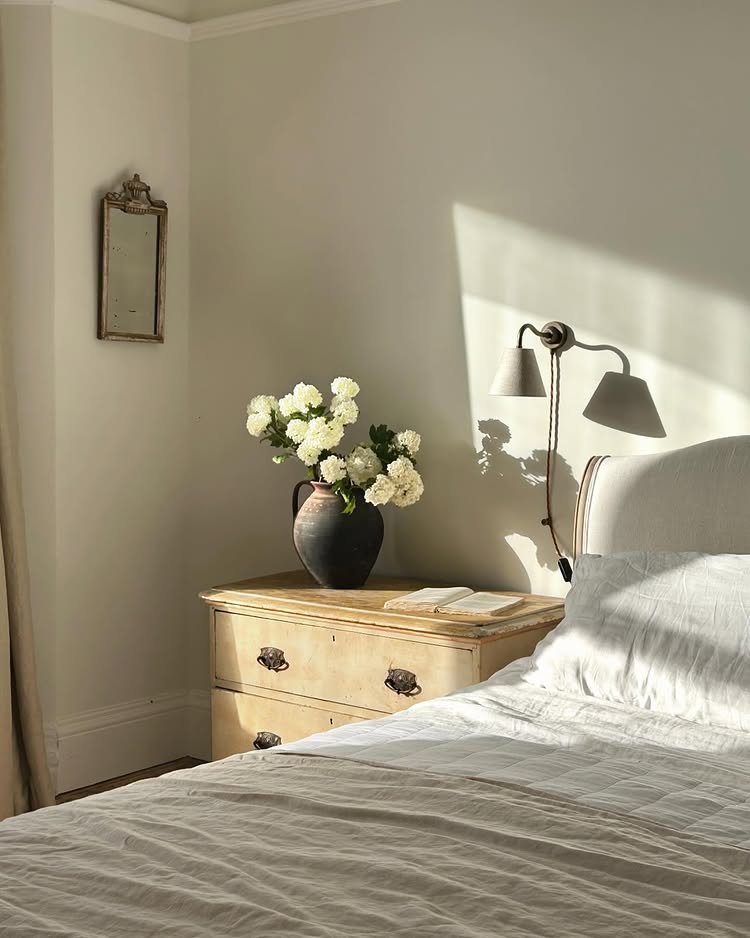
For example, opt for brass finishes to warm up cool-toned rooms. Or matte black to give a good contrast against lighter walls.
Table lamps with three-way bulbs are another beautiful option that gives you flexibility without major installation.
Mistake #2: Bed Placement Blunders
Where y’all place your bed might seem like a simple decision—push it against a wall and call it a day, right?
But bed placement is actually one of the most crucial elements in bedroom design.
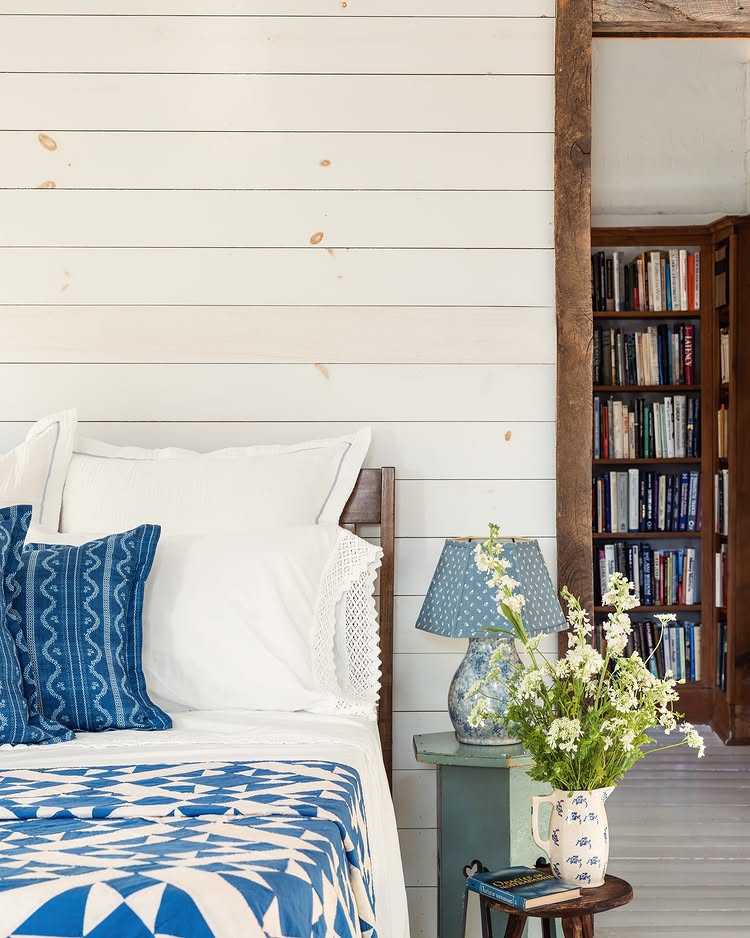
Y’all will be surprised at how often this essential piece of furniture ends up in less-than-ideal spots—pushed into corners, blocking natural walkways, or positioned awkwardly in relation to doors and windows.
Your bed placement isn’t just about aesthetics—it affects how you experience your space day and night.
When your bed blocks the natural flow of movement through your room, you’ll constantly navigate a cramped obstacle course rather than enjoying a restful retreat. Nothing disrupts peaceful sleep quite like feeling hemmed in or having to shimmy sideways just to get to your closet.
The quick fix starts with recognizing your room’s natural focal point and traffic patterns. Ideally, position your bed so it commands the space without interrupting the flow between the door, closet, and any en suite bathroom.
For most rooms, centering your bed on the wall opposite the door creates balance and allows for symmetrical nightstands.
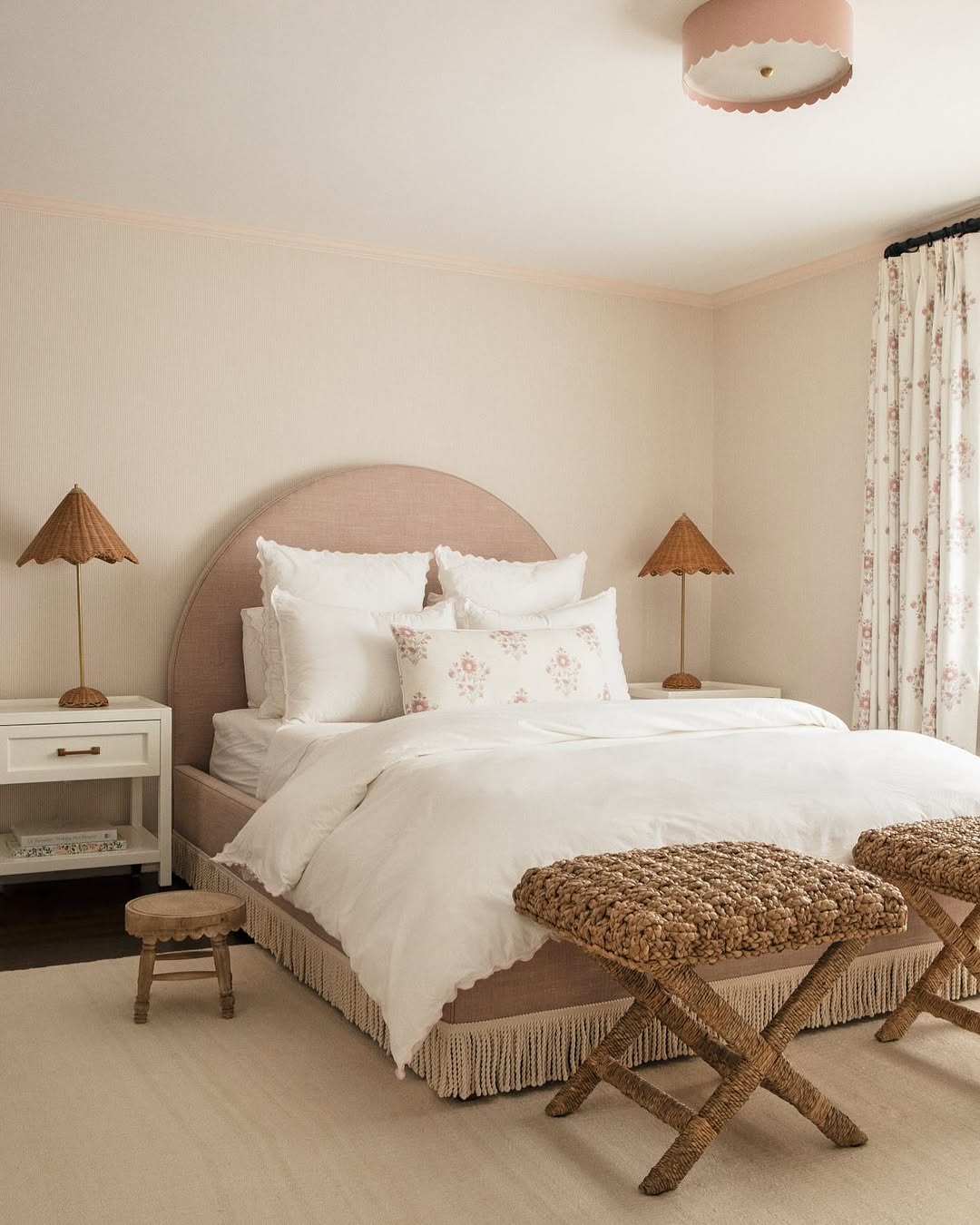
If your bedroom design layout doesn’t allow this arrangement, aim to keep at least one side of the bed with enough space for comfortable movement. 30 inches is about the minimum for a truly functional space.
For bedroom design budget-friendly rearrangements, start by sketching your room to scale before moving anything heavy. Sometimes, the best solution involves nothing more than rotating your bed 90 degrees or shifting it a few feet along the same wall.
If space is truly tight, consider a slightly smaller bed frame without bulky footboards or wall-mounted reading lights instead of table lamps to free up precious nightstand space.
Different bedroom sizes call for thoughtful approaches. In compact rooms, a twin or full bed positioned lengthwise against the wall might be your best option.

For awkwardly shaped rooms, position the bed to make the most of the available wall space while maintaining clear pathways.
Larger rooms benefit from “floating” the bed away from walls with equal space on both sides, creating a true focal point that anchors the entire space.
When you properly position your bed, the entire room falls into place around it.
And just like that, you can just feel your bedroom breathing more easily, feeling more spacious, and turning into the serene space you’ve been trying to create all along.
Mistake #3: Neglecting Scale & Proportion
One of the most common design missteps happens when furniture and décor don’t match the proportions of your space.
Scale issues show up everywhere—beds that dominate modest-sized rooms, artwork that looks like a postage stamp above your headboard, or area rugs so small they barely peek out from under the bed.
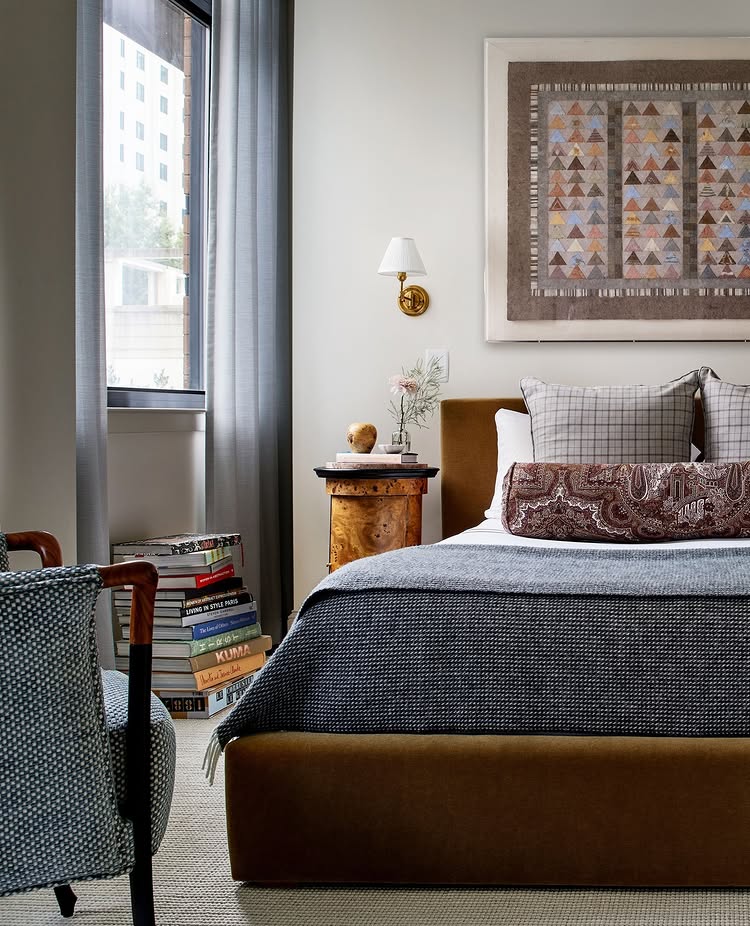
Y’all might not immediately recognize why the room feels off, but these proportion problems create a lack of harmony that can disturb your entire space.
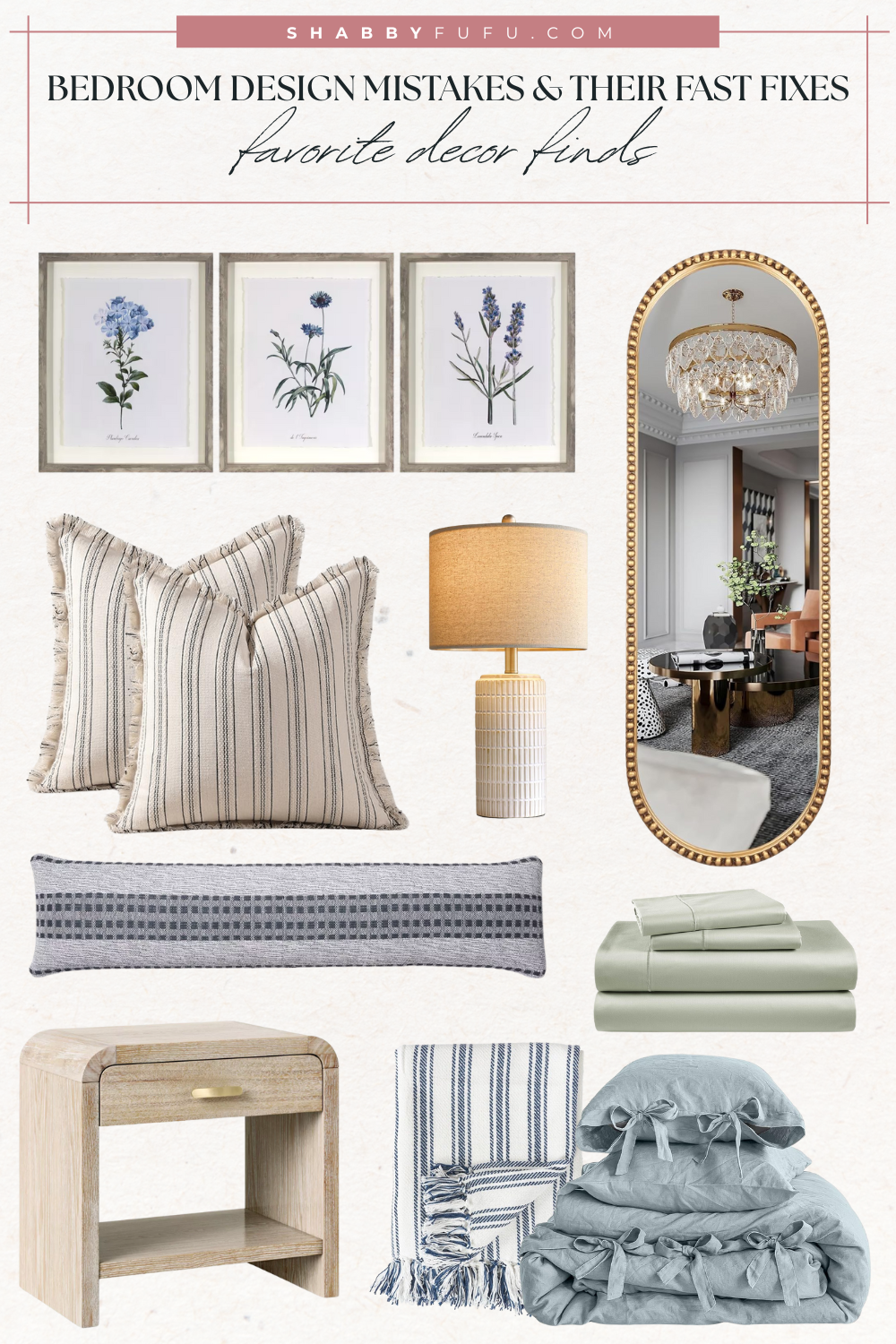
Artwork above beds frequently falls victim to scale problems. That small framed print centered above your king-sized headboard? It’s getting lost and making your wall look empty.
As a general rule, artwork should span about two-thirds the width of your headboard or bed frame. For king beds, this means art (or an arrangement) around 50-60 inches wide—much larger than most people instinctively choose.
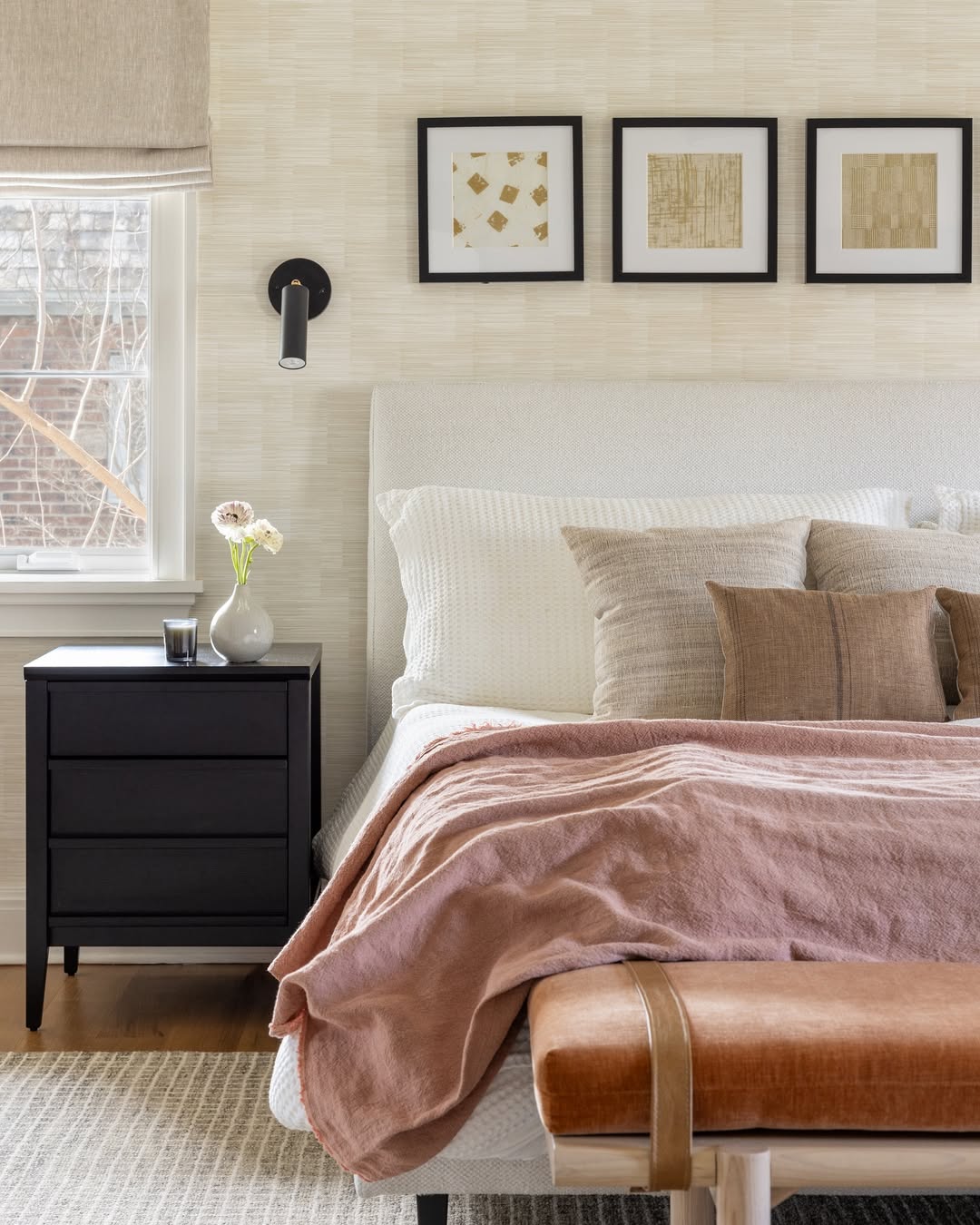
Bedding dimensions cause similar issues. Those standard queen sheets on your deep mattress that pop off every night or the comforter that barely covers the sides of your bed create an uncomfortable look.
Quality bedding should extend at least 12 inches beyond your mattress on all sides, with duvets dropping 16-24 inches for that luxurious hotel look.
Undersized rugs might be the most common scale mistake of all. A tiny 4×6 rug floating like an island beneath your bed makes the entire room feel disjointed.
For proper proportion, your rug should extend at least 24 inches beyond each side of the bed—large enough to step onto when rising in the morning.
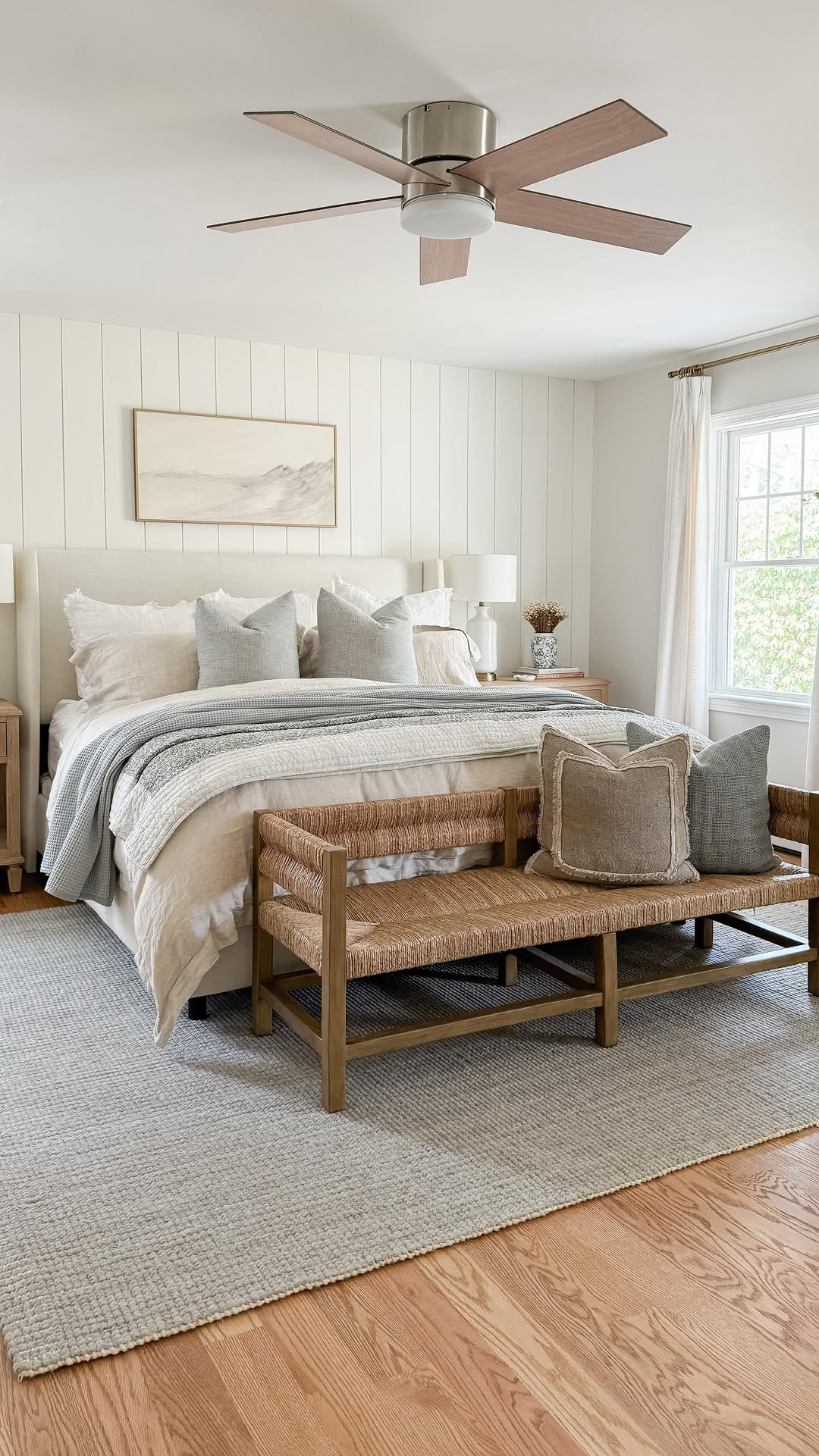
For queen beds, this typically means at least an 8×10 rug; king beds need 9×12 or larger.
Getting proportions right starts with measuring your space accurately. Before purchasing anything, map room dimensions and consider your needs.
For existing elements causing problems, honest assessment is key—sometimes that favorite small rug truly belongs in the bathroom instead.
Mistake #4: Chaotic Color Schemes
If your bedroom never feels quite put together despite your best efforts, take a good look at your color palette!
When bedrooms feature too many competing colors or clash between warm and cool tones, the visual noise can impact both the room’s overall look and your ability to truly relax.
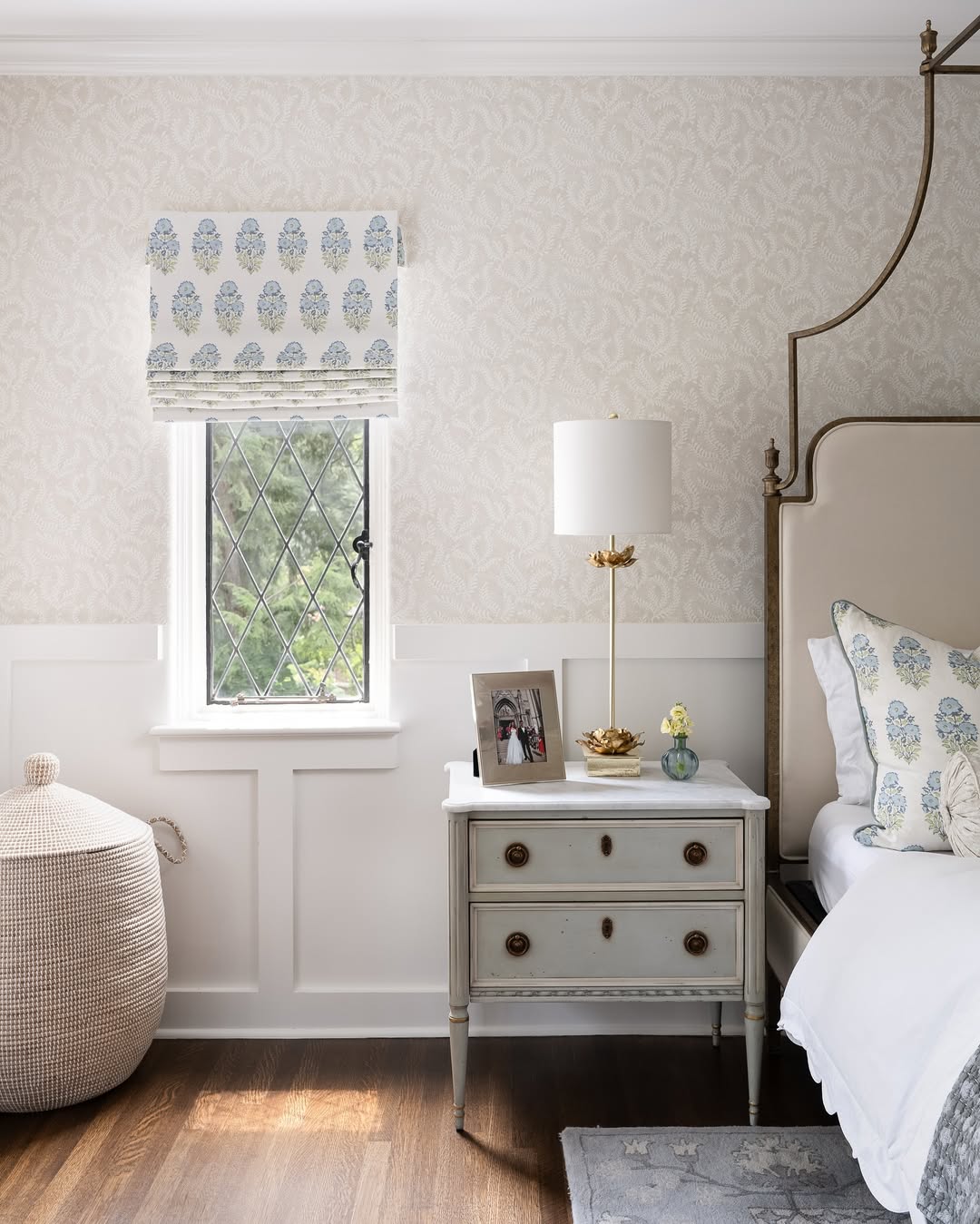
Many people unknowingly create this problem by collecting pieces they love individually without considering how they work together.
It might sound silly, but the impact of color goes well beyond looks—it directly influences your sleep quality!
Blues and soft greens naturally signal your brain to relax, while vibrant reds and oranges energize. That’s why a random mismatched color scheme isn’t just a design issue but a wellness issue as well for this room.
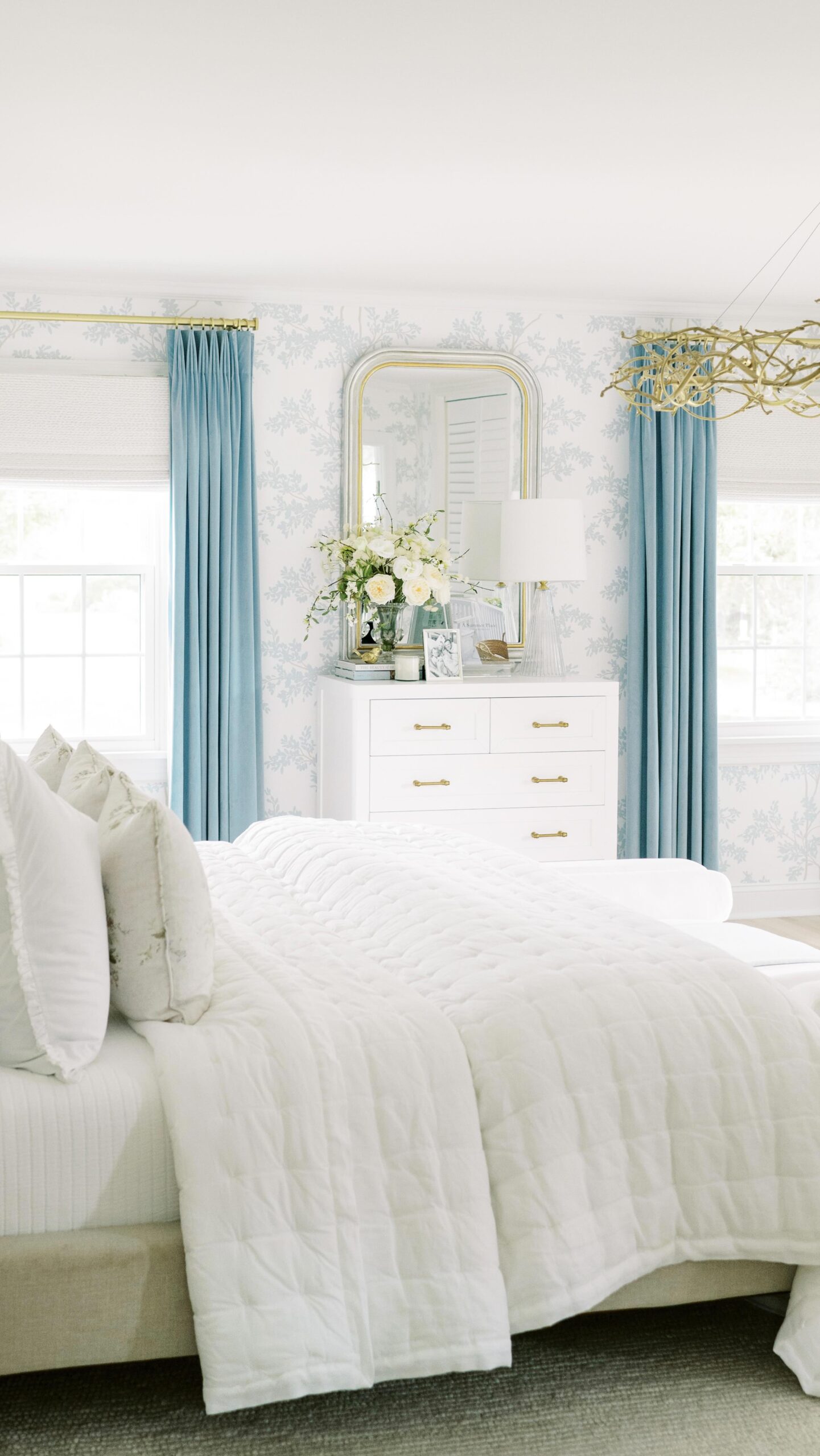
The great thing about color in bedroom design is that to fix a not-so-perfect color palette, you don’t need to repaint everything or buy new things.
Alright, maybe some paint. But it’s all about that color balance!
The designer’s 60-30-10 rule offers a straightforward solution: dedicate 60% of your visual space to a primary color (usually walls and large furniture), 30% to a secondary complementary color (bedding, curtains), and just 10% to accent colors (decorative items, artwork).
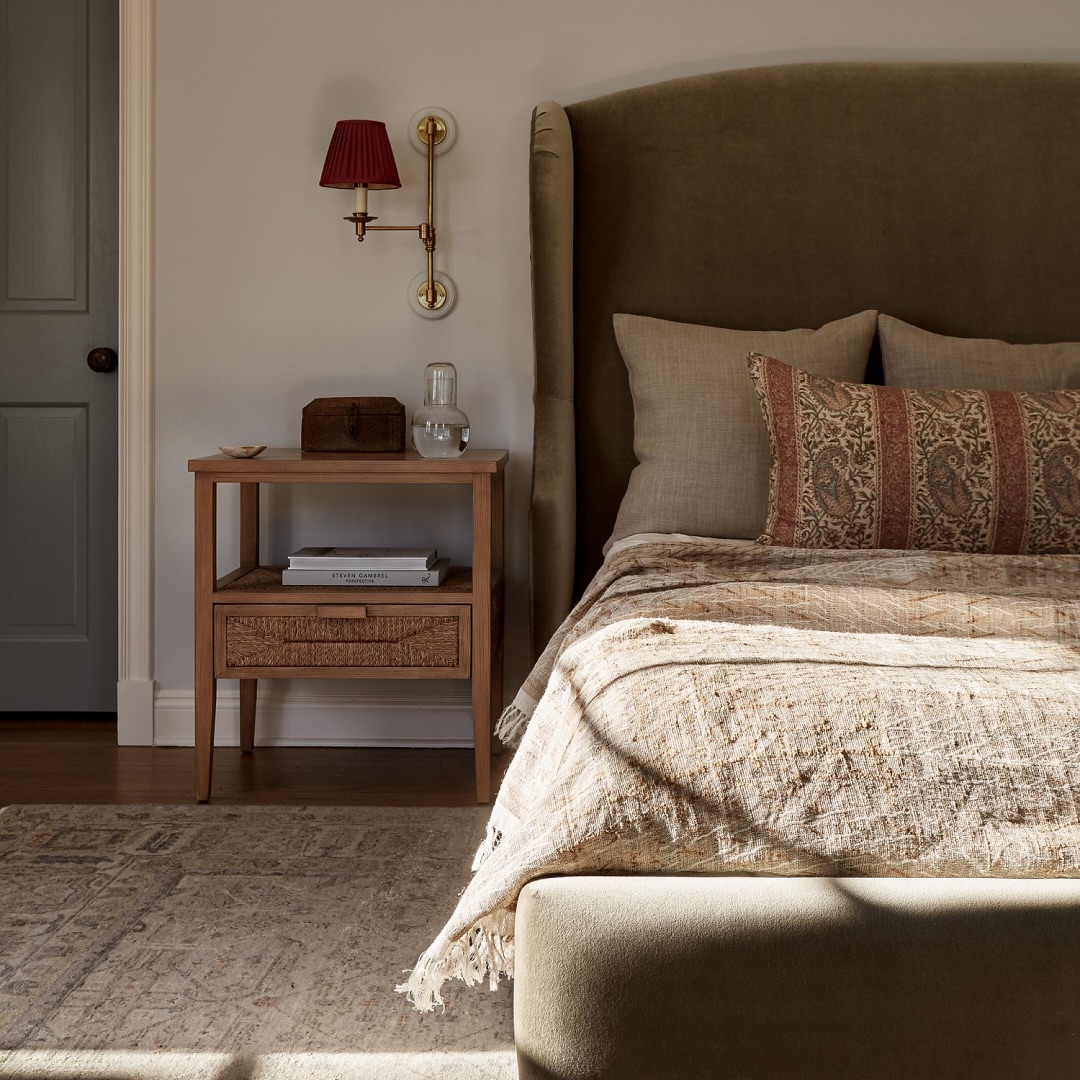
The most successful bedroom color schemes typically feature colors with similar undertones.
For a foolproof approach, consider monochromatic palettes that use varying shades of the same color—like soft gray walls with charcoal bedding and silver accents. This creates depth without discord.
Y’all can also introduce patterns in similar tones through accents for a more interesting look.
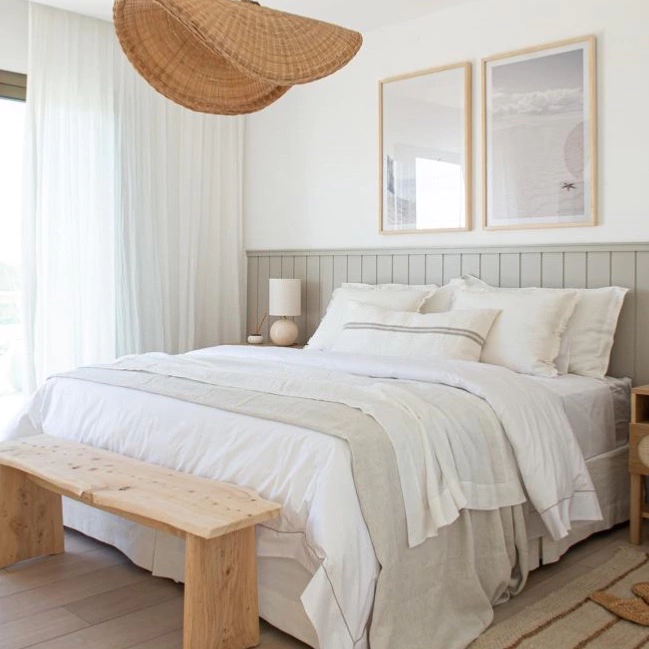
For example, dress just half of your wall with wallpaper to create a faux bed headboard, or go for a playful patterned grouping of throw pillows.
For quick color corrections, start with new bedding that pulls together existing elements. Look for duvets and pillow shams that bridge between your wall color and furniture tones.
Mistake #5: Overlooking Textiles and Texture
Many bedrooms look somehow incomplete, even with the right furniture and color palette.
The missing element? Texture!
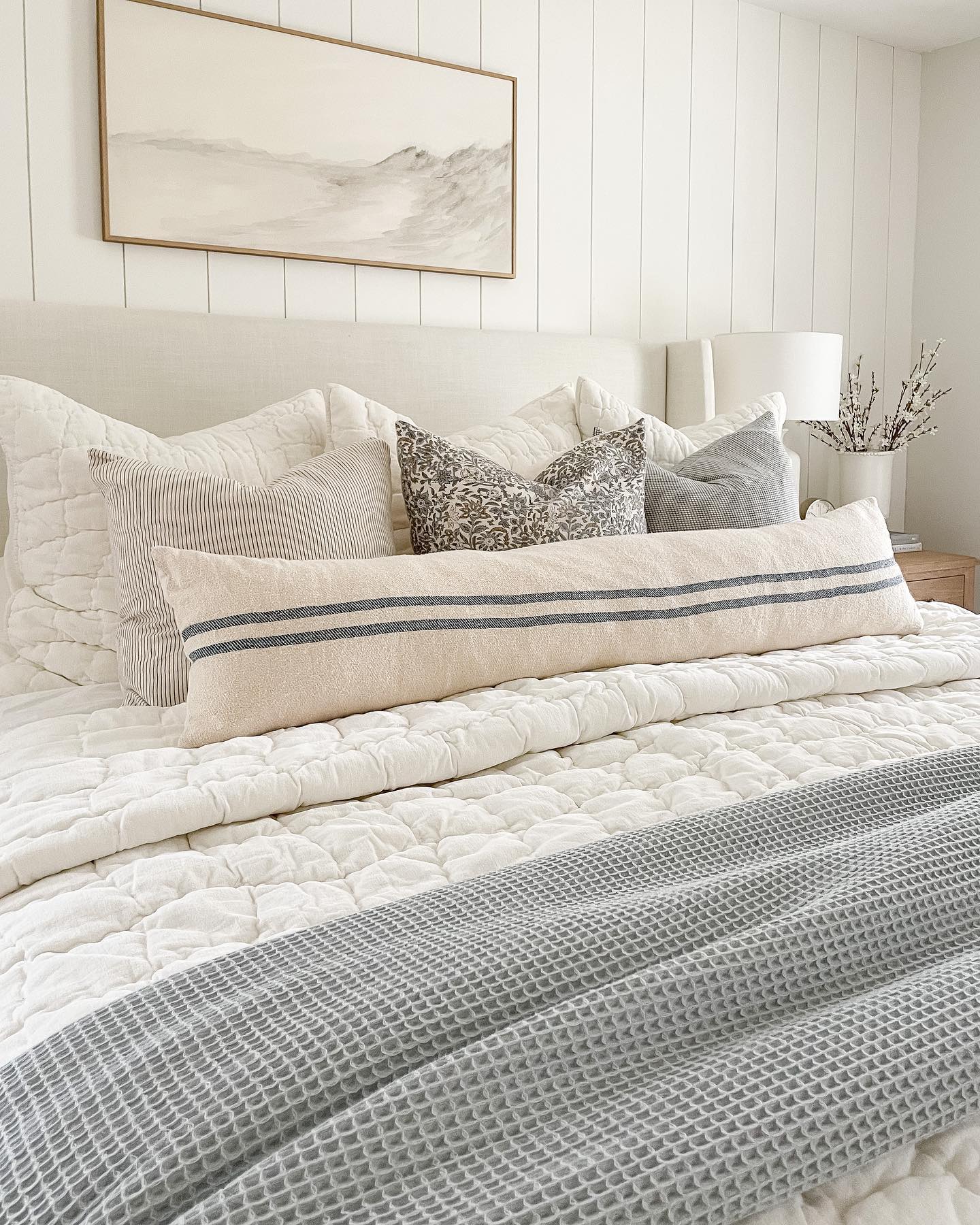
While y’all might focus on furniture placement and paint colors, textiles often become an afterthought—and it can throw off all the bedroom design.
Bedding quality makes such a huge difference in both comfort and aesthetics. An undersized duvet that barely reaches the sides of your mattress or sheets made from synthetic blends that sleep hot can undermine your entire bedroom design.
These aren’t just sleep issues but visual problems, too—premium bedding with proper dimensions instantly elevates a room’s look!
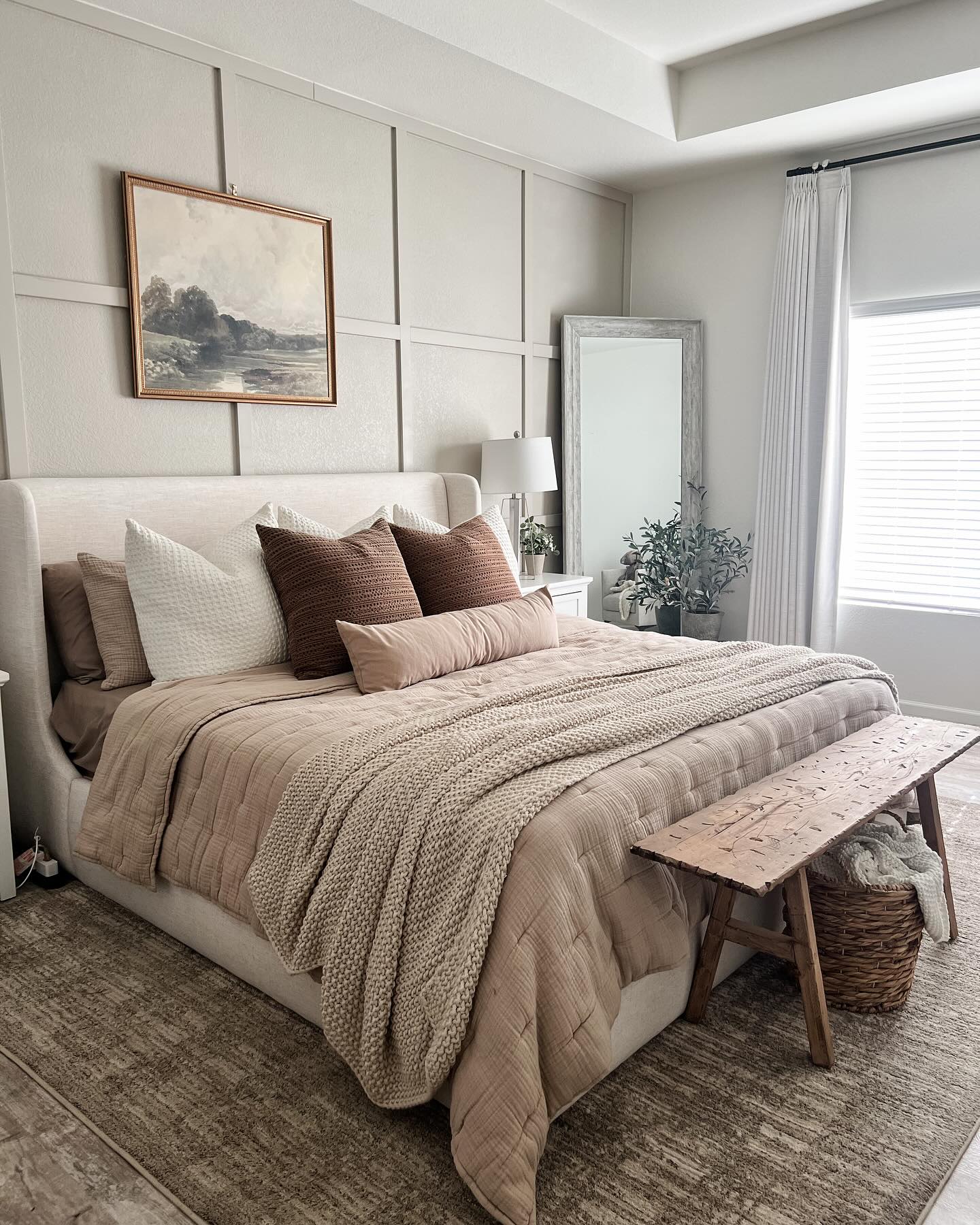
Texture also creates visual depth, which is essential in an intentional bedroom design. Rooms with only smooth surfaces (painted walls, wood furniture, and basic flat bedding) can lack dimension and interest.
Just like most things in interior design, your bedroom design needs variation—the interplay between different materials creates a richness that draws you in and makes spaces feel complete.
For a quick fix, start by upgrading your bedding basics. Look for a duvet or comforter that extends at least 12 inches beyond your mattress on all sides.
Natural fabrics like cotton and linen not only look better but regulate temperature and improve with washing.
If budget is a concern, focus first on sheets since they touch your skin directly. A high-quality set of cotton sheets will transform your sleep experience more than almost any other bedroom upgrade!

And y’all don’t stop at the bed! Add a large enough rug to ground the space (your feet will thank you for this on chilly mornings!)
Layer in some throw pillows in contrasting textures. Maybe mix velvet pillows against linen shams or chunky knits against smooth cotton.
A soft throw blanket draped at the foot of the bed adds both visual interest and practical comfort for afternoon naps.
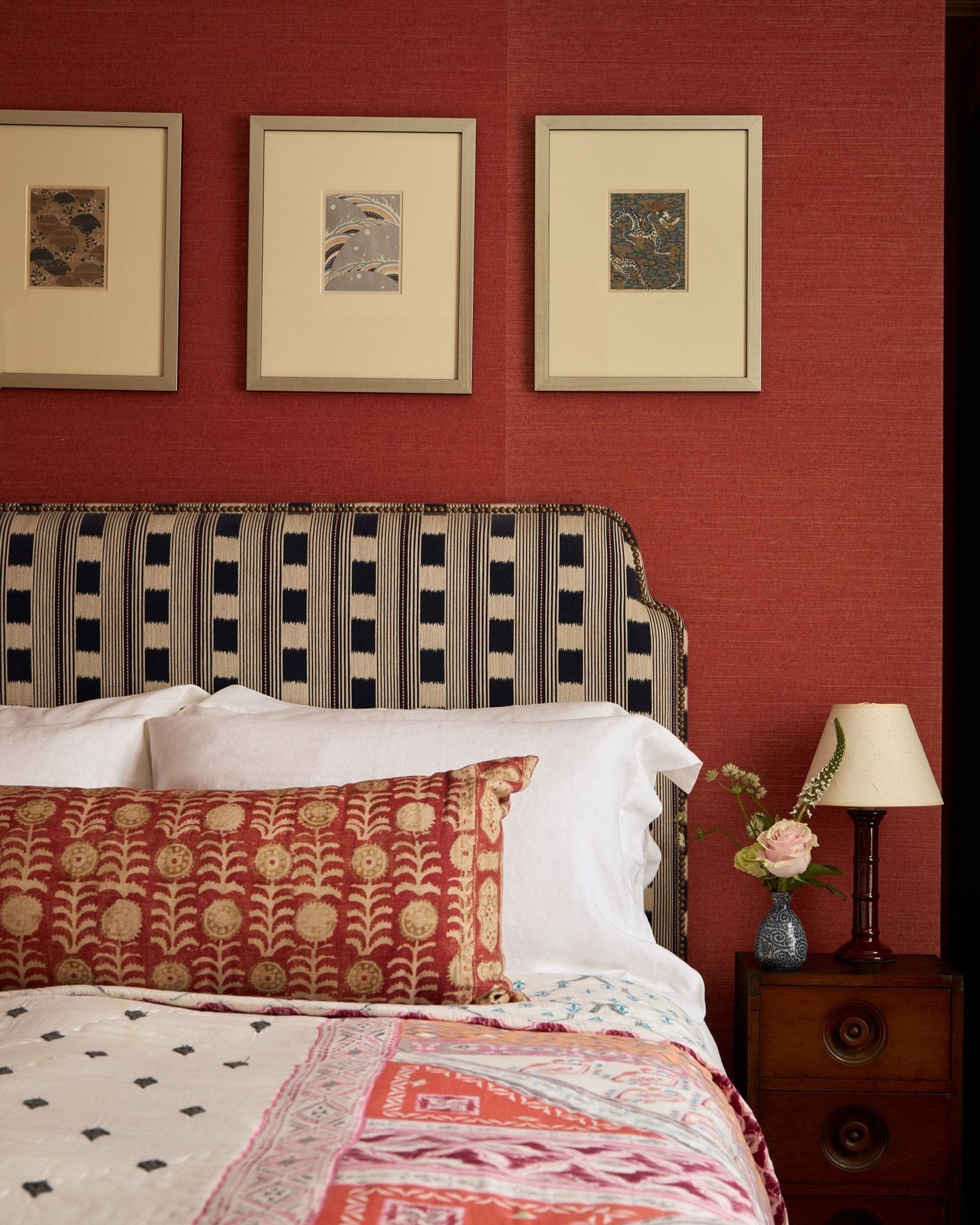
The magic happens when you mix different tactile experiences throughout the room. Aim for at least three distinct textures. Maybe smooth painted walls, crisp cotton bedding, and a nubby wool throw.
This thoughtful contrast creates depth that makes even simple rooms feel designed by the pros.
Your Bedroom Transformation Awaits
Bedroom design mistakes happen to all of us, but the good news is that they’re fixable without major renovations or hefty budgets. The key is approaching your bedroom design refresh one element at a time. With these simple fixes, you’re well on your way to creating exactly that!
What bedroom design challenges are you facing? Drop a comment below with your specific concerns—whether it’s an awkward layout, scale issues, or texture questions. I love helping readers troubleshoot their specific spaces, and your questions might help someone else with a similar challenge!
Follow along on Instagram @shabbyfufu for daily inspiration and behind-the-scenes looks at my home projects!

If you’ve found these bedroom design ideas helpful, don’t miss out on more design insights and solutions. Have a look!
Japandi Home Decor: How to Blend Japanese Simplicity with Scandinavian Comfort
The Ultimate Mother’s Day Gift Guides: Thoughtful Ideas for Every Mom
Coastal Grandmother Aesthetic vs. Nancy Meyers: What’s the Difference and How to Achieve the Look