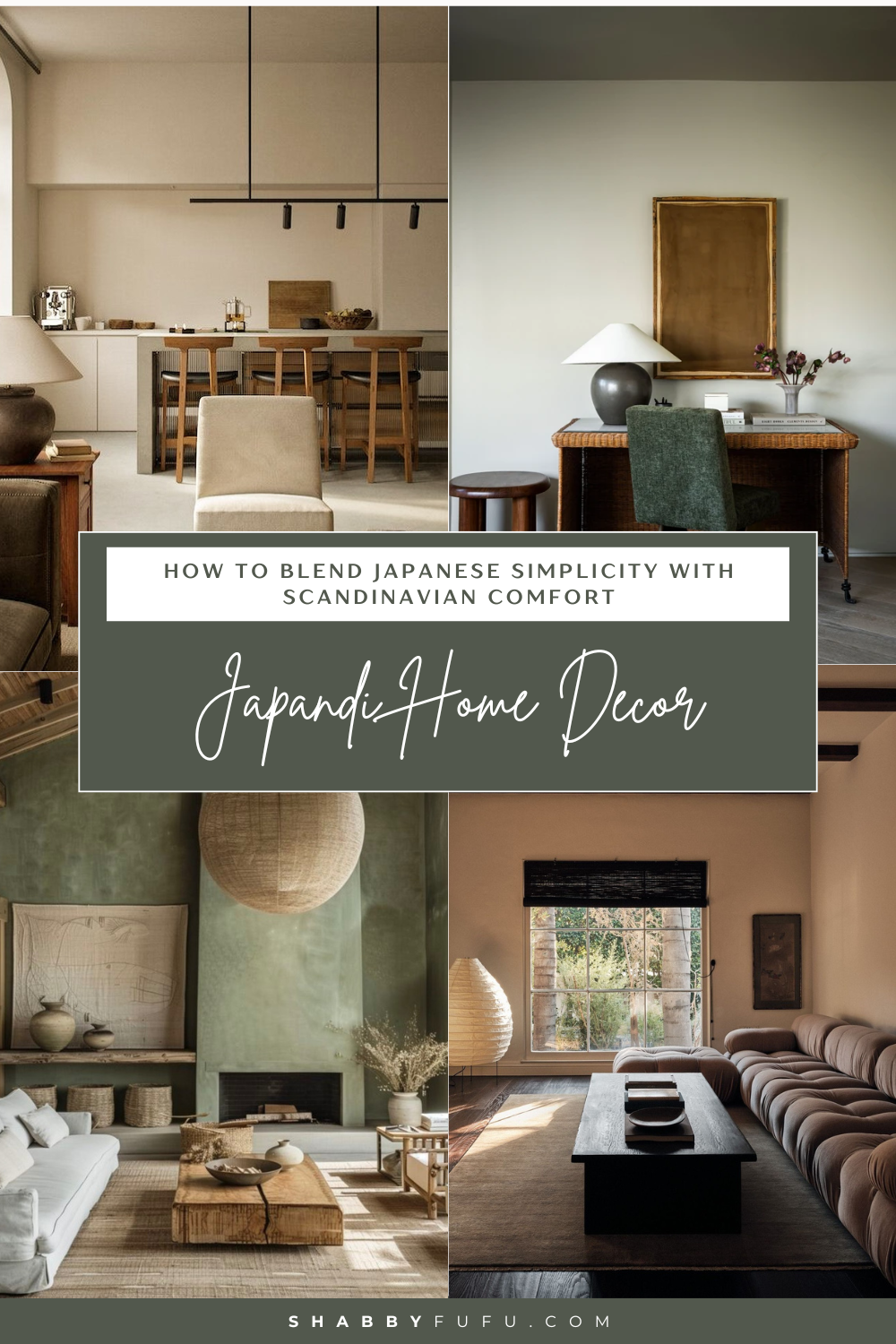
Japandi Home Decor: How to Blend Japanese Simplicity with Scandinavian Comfort
This post may contain affiliate links. For more information, please see our disclosure policy.
Wondering how to bring the serene elegance of Japandi into your home? This style—where Japanese minimalism meets Scandinavian coziness—creates the perfect balance of simplicity, warmth, and function. Here’s everything you need to know to make Japandi work in your space!

If y’all haven’t heard about this design style before, I’m sure y’all have seen it. The Japandi style has been making rounds in interior design for a while now, but lately, its popularity is exploding.
And the reason is pretty obvious. It’s absolutely gorgeous!
Mixing Japanese minimalism and Scandinavian warmth, this home decor style is a thoughtful blend of traditions that share some of the same core values: simplicity, natural materials, soothing hues, and honor to artisan craftsmanship. It really is the perfect home design pairing.
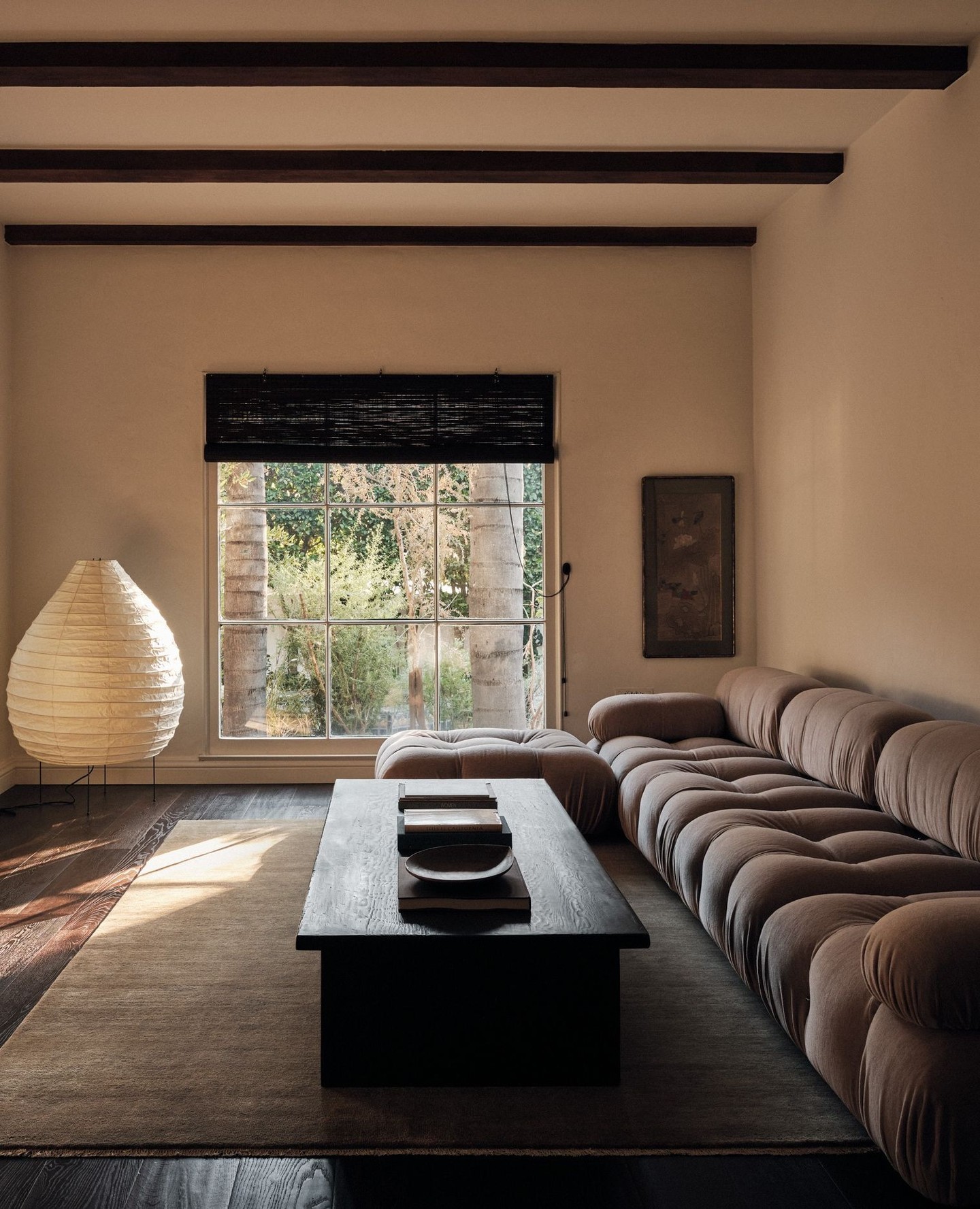
Japanese design brings discipline and intention to every element, while Scandinavian influence adds that layer of comfort we all crave in our everyday living spaces.
Japandi Home Decor: How to Blend Japanese Simplicity with Scandinavian Comfort
It’s a unique approach that makes balanced spaces that feel serene and uncluttered yet deliciously inviting.
Throughout this guide, y’all discover how to bring Japandi principles into your own space with simple tips, ideas, and product recommendations. Interested? Keep on reading!
The Origins of Japandi Style
Ever wondered where this gorgeous aesthetic comes from? I sure have!
Japandi blends two distinct design traditions that complement each other beautifully.
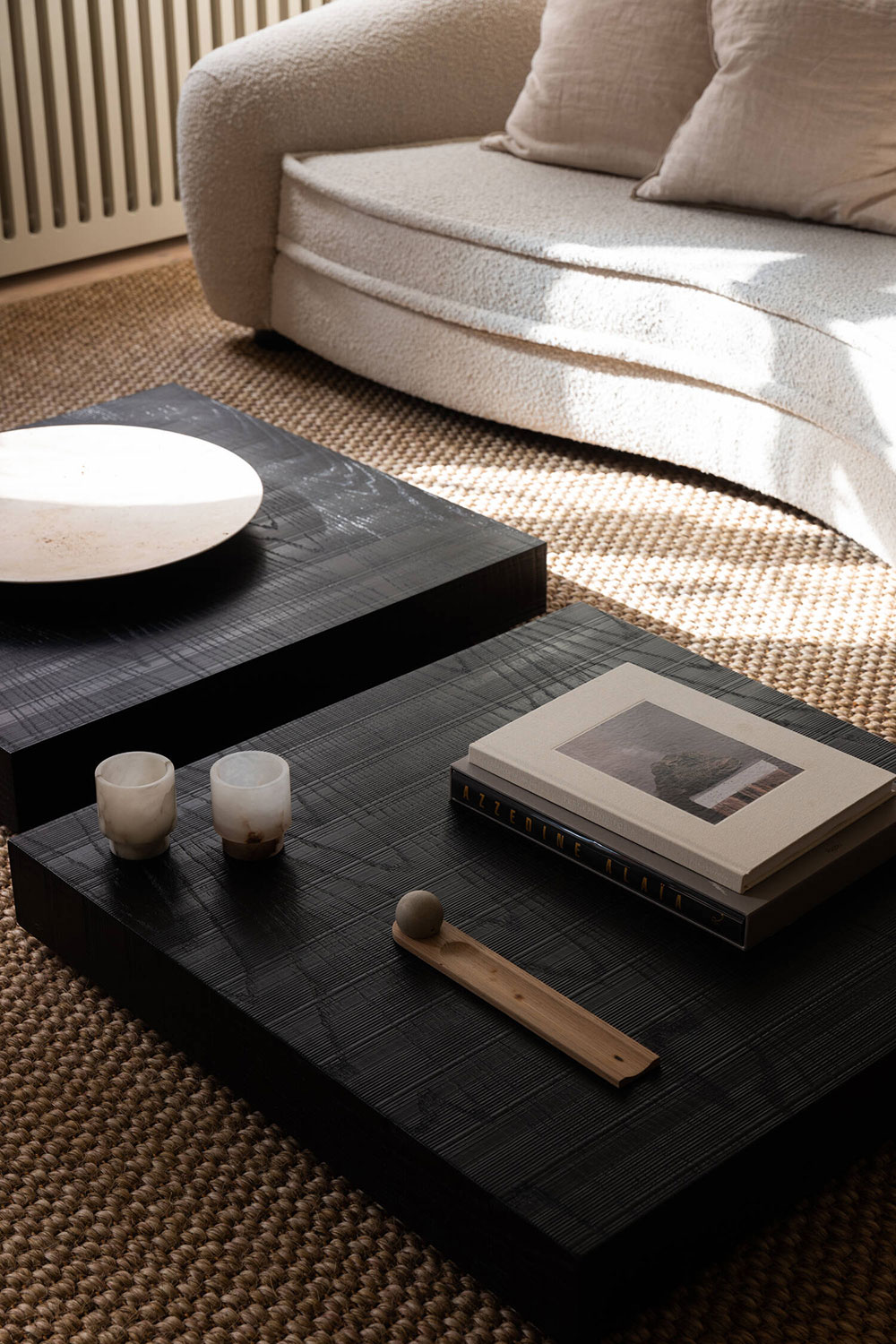
Japanese design is all about the wabi-sabi philosophy, which centers on the idea of finding beauty in imperfection and simplicity.
It’s not about sterile minimalism; it’s about appreciating natural materials, understated elegance, and those subtle imperfections that give objects character and meaning. There’s something almost meditative about traditional Japanese spaces that feels instantly calming.
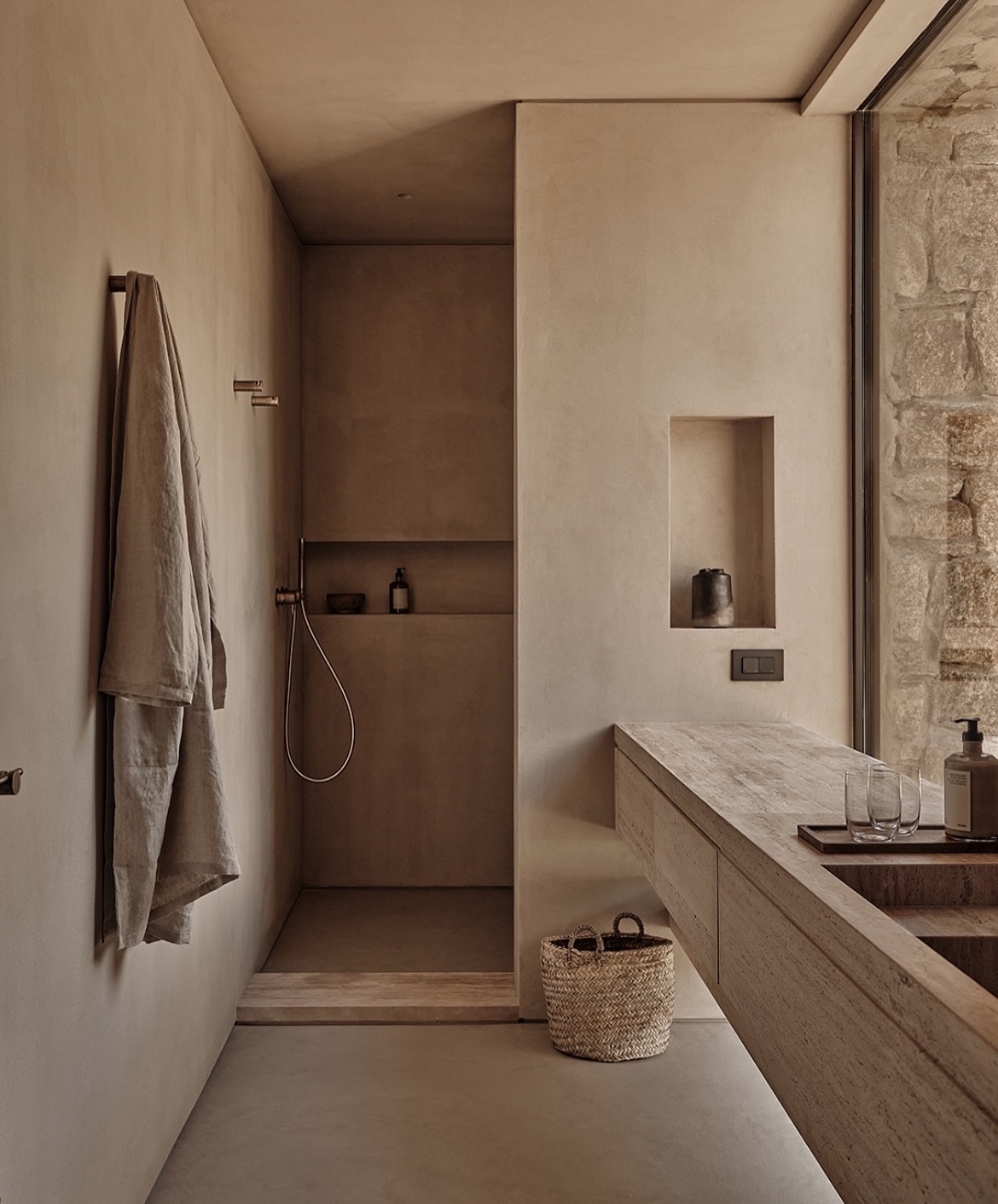
On the other side of the world, Scandinavian design developed around concepts like hygge (that cozy contentment we all crave) and lagom (a perfect balance: not too much, not too little).
To combat long Nordic winters, Scandinavian homes emphasize warmth, comfort, and practicality—resulting in effortlessly inviting spaces. Light-filled spaces that feel both minimal and deeply comfortable.
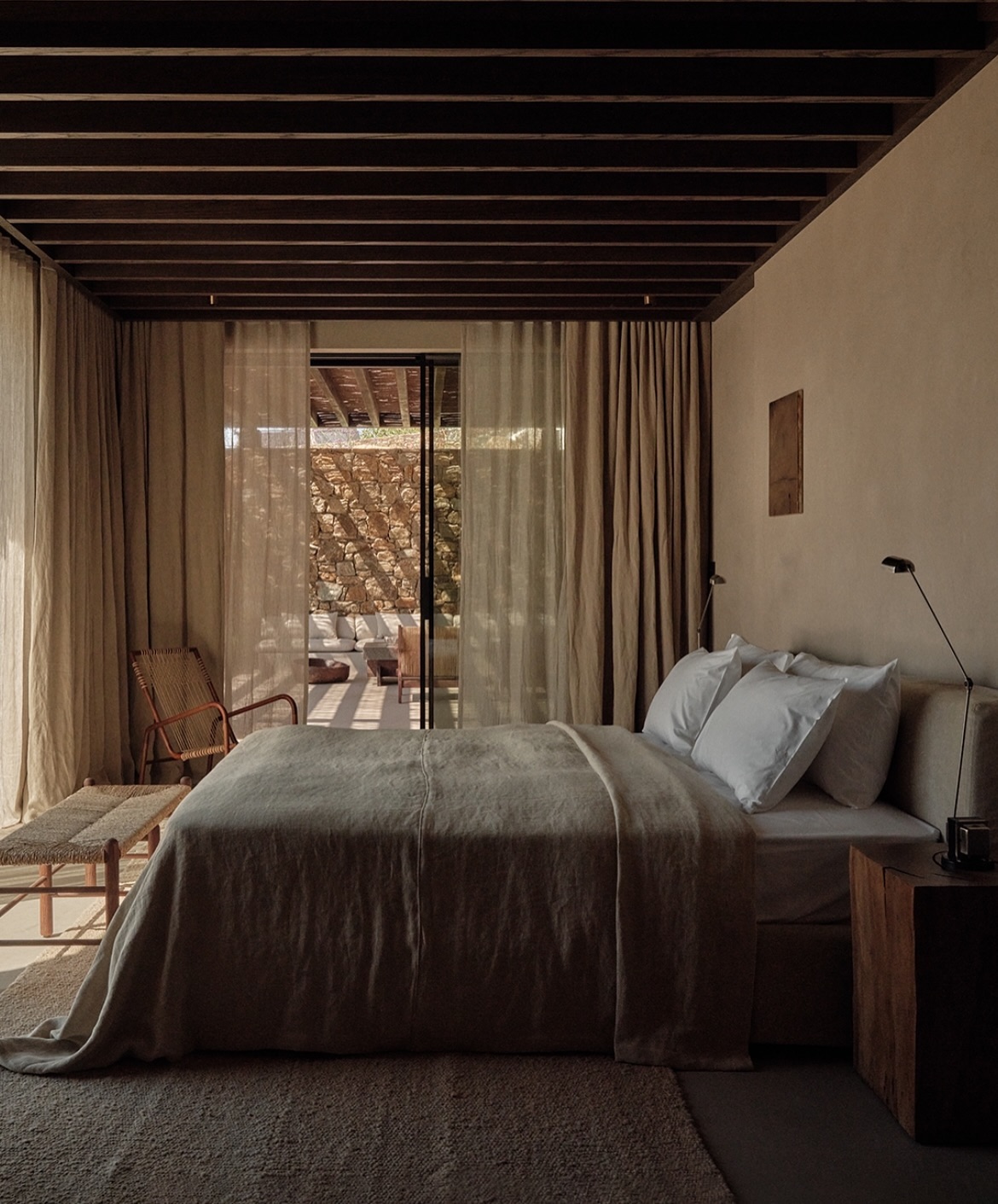
When these two styles meet, something truly special happens! Both value craftsmanship and natural materials but express them differently. Japanese design brings deeper earth tones and reverence for negative space, while Scandinavian influence adds lighter woods, soft textiles, and that irresistible feeling of comfort. Together, they create spaces that feel intentionally minimal yet deliciously inviting.
What makes this combo work so well in actual homes? Each style balances the other perfectly!
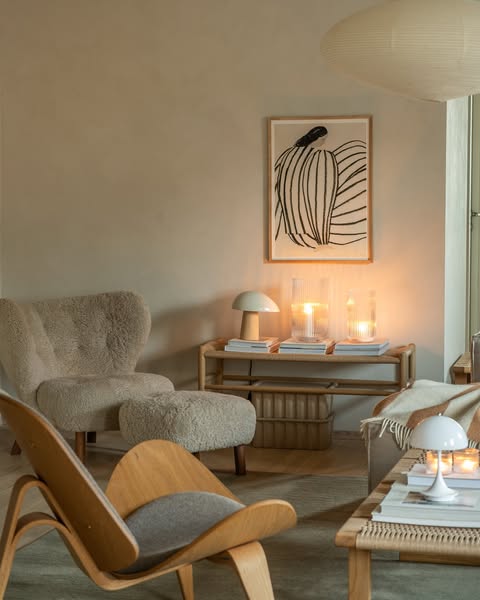
While Japanese minimalism can feel too stark and Scandinavian decor sometimes lacks depth, Japandi brings the best of both worlds. The result? A home that’s not just stylish but effortlessly livable.
Key Elements of Japandi Design
Ready to bring some Japandi magic into your space? Now that we know a little bit more about the background of how Japandi came about, let’s break down the essential elements that make this style so special!
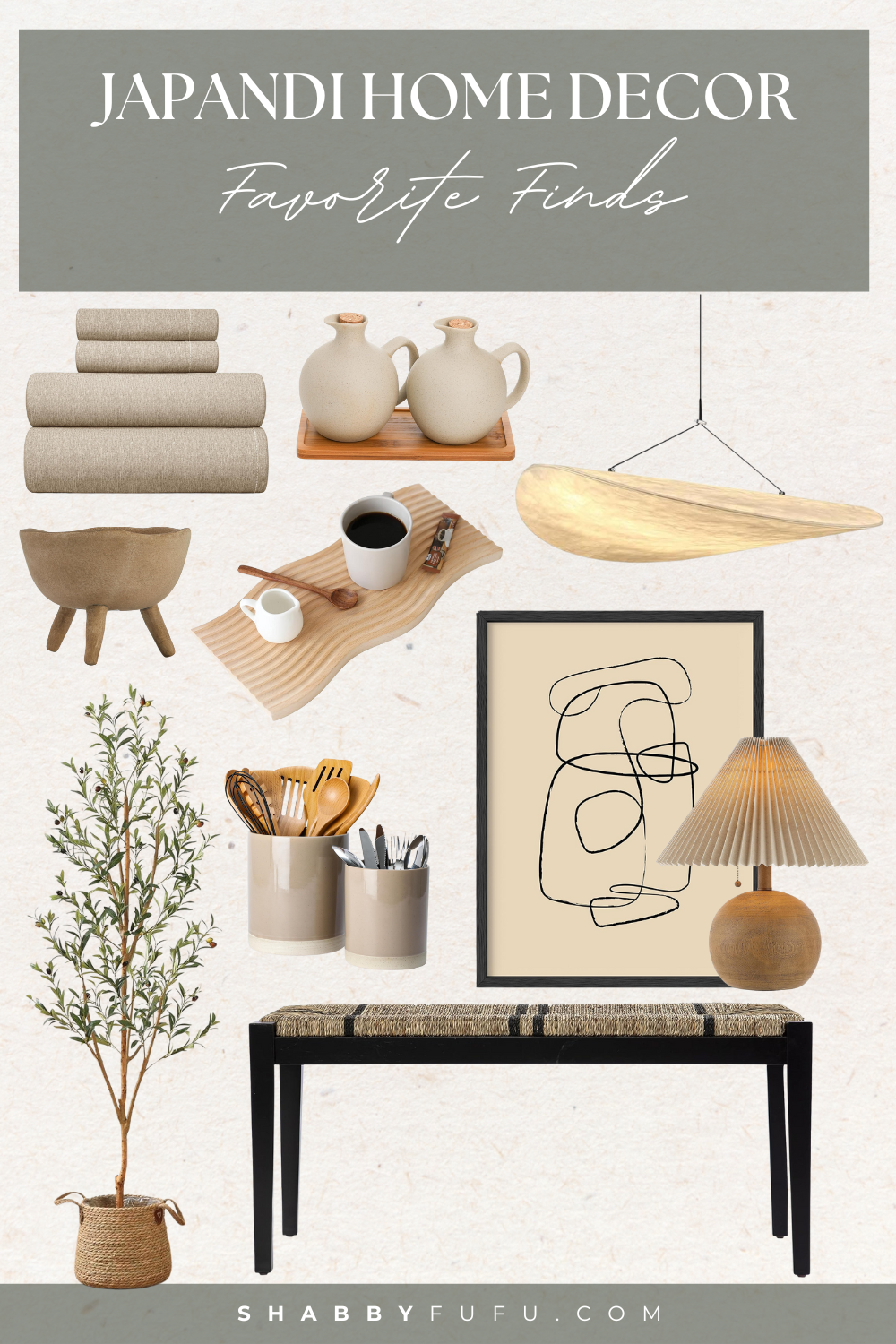
Silk Pendant Light | Utensil Holder | Tabletop Oil Bottles | Line Art | Sheet Set | Seagrass Bench | Pleated Tablelamp | Terracotta Footed Planter | Faux Olive Tree | Serving Tray
Color Palette: Subtle Yet Sophisticated
Japandi’s color story is all about those gorgeous neutrals – but don’t mistake that for boring! The Japandi color scheme is all about warm taupes, soft whites, gentle grays, and deep charcoals that create a soothing backdrop with just enough contrast to keep things interesting.
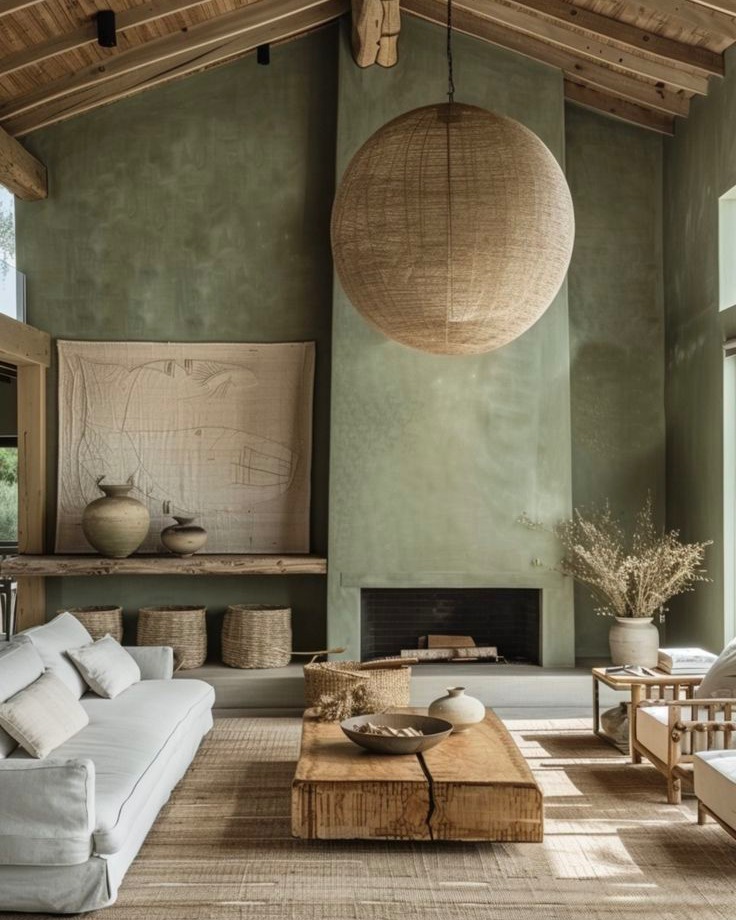
The occasional pop of muted color (like sage green, dusty blue, or rust) adds personality without overwhelming the calm vibe.
The key to creating that soothing Japandi color story is keeping things harmonious rather than stark – these spaces should feel warm and soulful but not cluttered.
Materials: Keeping It Natural
Both Japanese and Scandinavian design share a deep love for natural materials, making this a cornerstone of Japandi style. Light to medium-toned woods like oak, maple, and ash paired with white and limewash walls bring that Scandi brightness, while darker woods like walnut add Japanese depth.
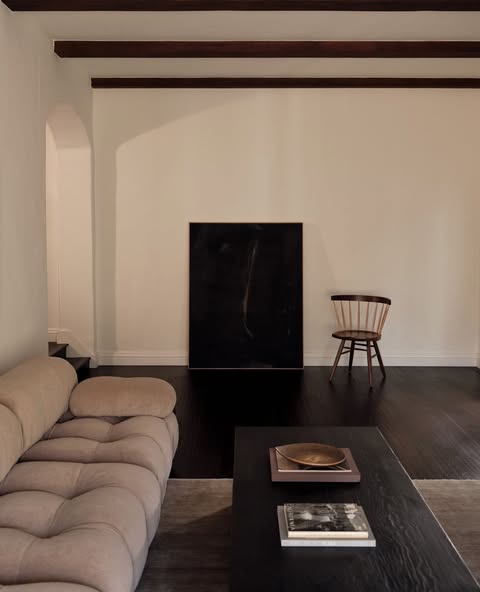
Bamboo, rattan, paper cord weave, and other natural materials introduce wonderful texture, as do linen, wool, and cotton textiles. What makes these spaces feel so good? It’s all those touchable surfaces that connect us to nature and ground our homes in authenticity!
Furniture: Thoughtful Simplicity
When looking at Japandi furniture, the first thing that stands out is the shared elements of Japanese and Scandinavian design. Low-profile furniture pieces in clean lines and uncomplicated shapes create a seamless flow across the room.
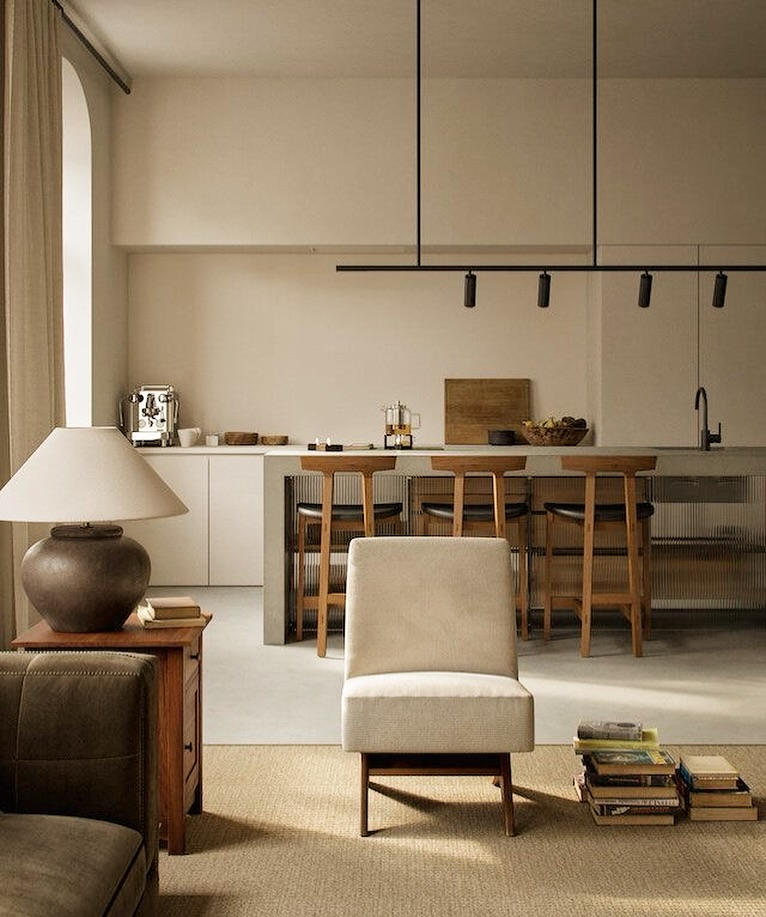
Nothing fussy or ornate here! Just beautifully designed items that serve a purpose while looking effortlessly elegant. Multifunctional furniture is a huge win in Japandi design, with pieces that can adapt to different needs while maintaining visual calm. The goal isn’t making a room feel empty but a thoughtful curation that gives every piece room to breathe.
Decluttering Philosophy: Meaningful Minimalism
Here’s where Japandi really shines for everyday living! Unlike strict minimalism, Japandi isn’t about owning next to nothing. It’s about surrounding yourself with things that truly matter. The elements of your Japandi home have to serve a purpose or bring genuine joy.
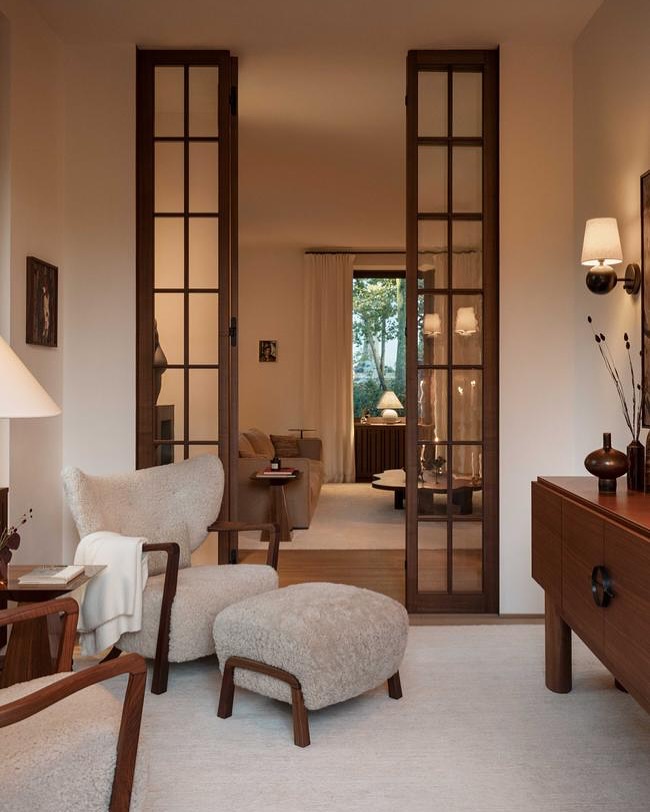
This approach makes spaces feel intentional rather than sparse, with carefully chosen decorative elements that tell your story. Clear surfaces, hidden storage, and a “quality over quantity” mindset create rooms that feel both organized and deeply personal.
Room-by-Room Japandi Transformation
Excited to give your spaces a Japandi-inspired makeover? Let’s see some real-life examples of how Japandi works throughout the home!
Living Room: Your Peaceful Gathering Hub
The Japandi living room is all about creating that perfect balance between socializing and serenity. Start with a low-profile sofa in a neutral textile, then add warmth with wooden accent pieces and textured cushions in complementary tones.
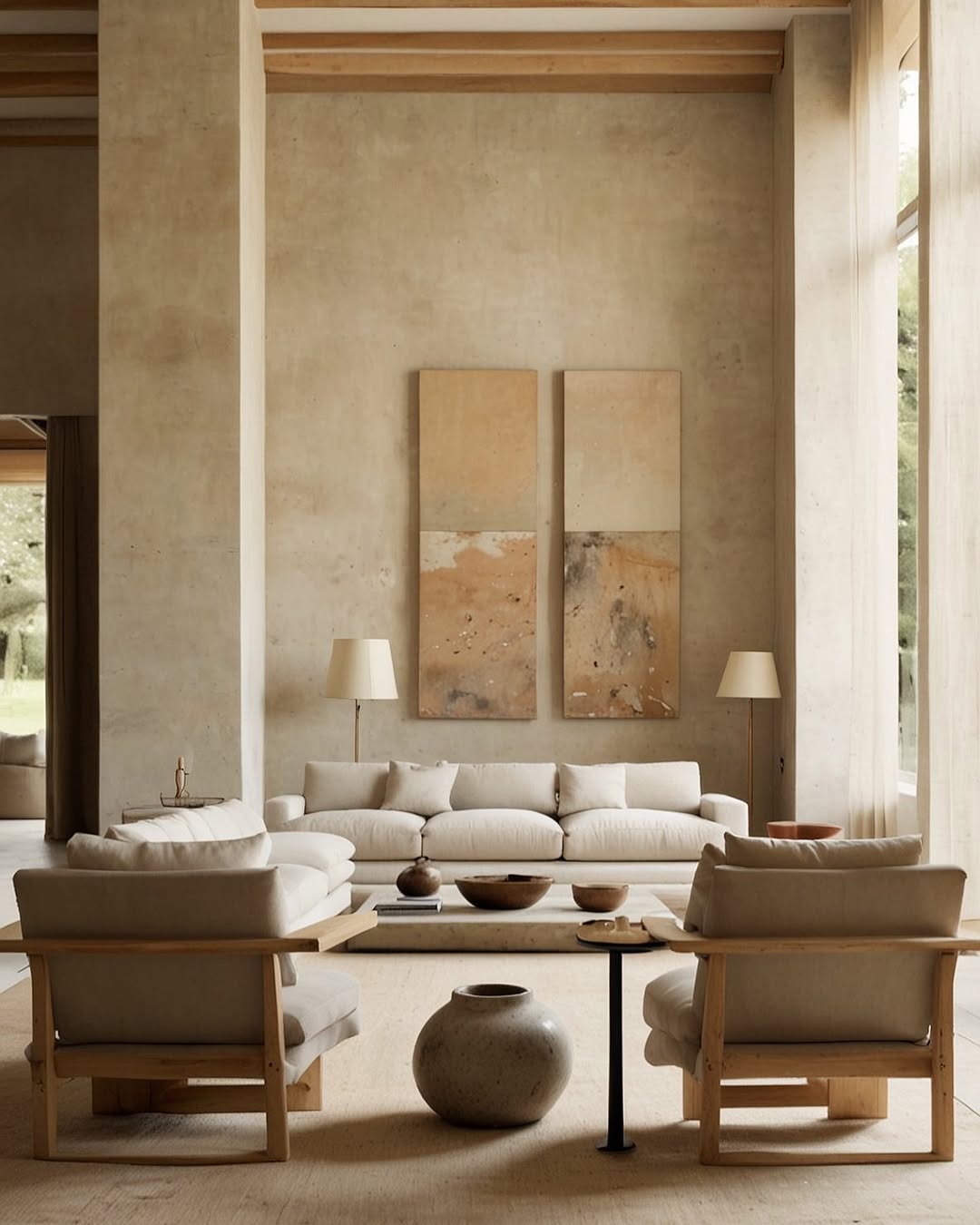
A statement piece of art or a uniquely crafted coffee table can serve as a focal point without cluttering the space. Plants bring that essential natural element, while
Thoughtful lighting like paper lanterns or simple wooden floor lamps next to plants can help craft that zen-like ambiance that blends indoors with outdoors.
Bedroom: Sleep Sanctuary Goals
Because the Japandi style focuses on soothing colors, simplicity, and visual harmony, the bedroom is the ideal room to embrace it.
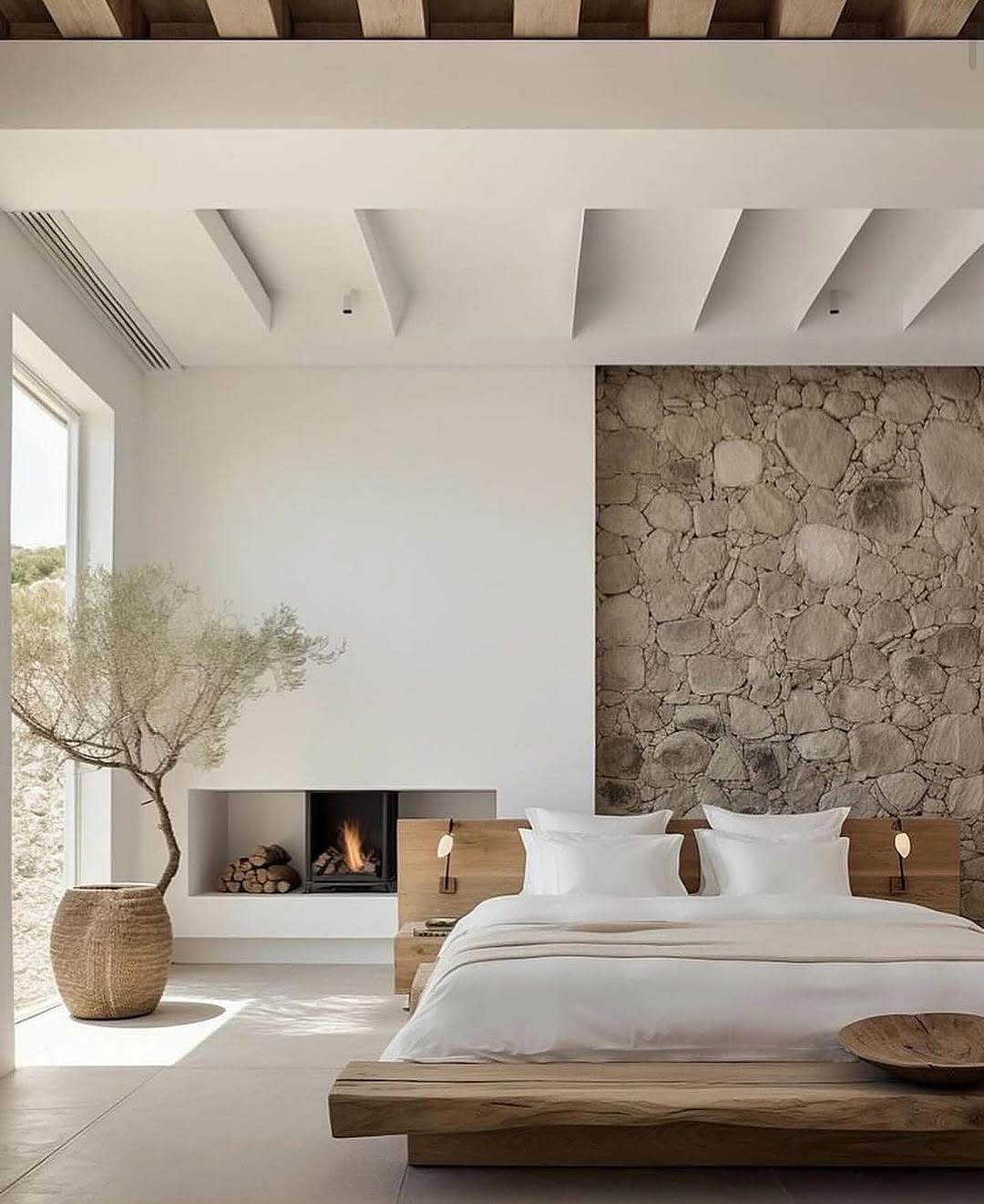
To nail this look, you can go for a platform bed frame in natural wood that keeps the profile low and the vibes serene. High-quality natural bedding in soft neutrals plus layered textured rugs will help you add that irresistible comfort factor.
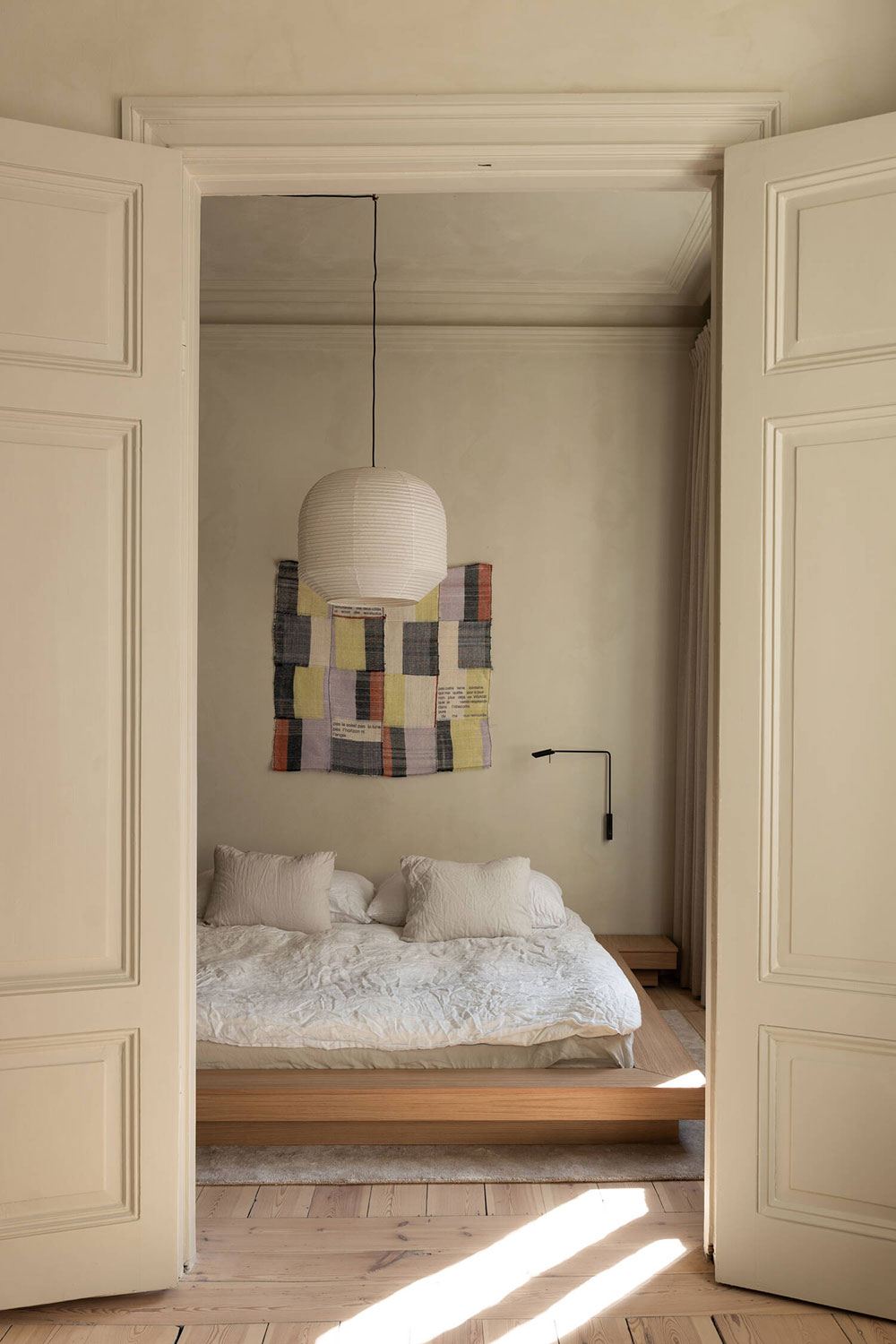
Another option is to opt for nightstands with hidden storage to keep essentials close but with minimal clutter. Go for window treatments in light and natural fabrics to filter sunlight.
Kitchen: Functional Meets Beautiful
A Japandi-inspired kitchen works for cooking while feeling calm and inviting. The recipe for this? Finds kitchen elements that balance practicality with aesthetic harmony!
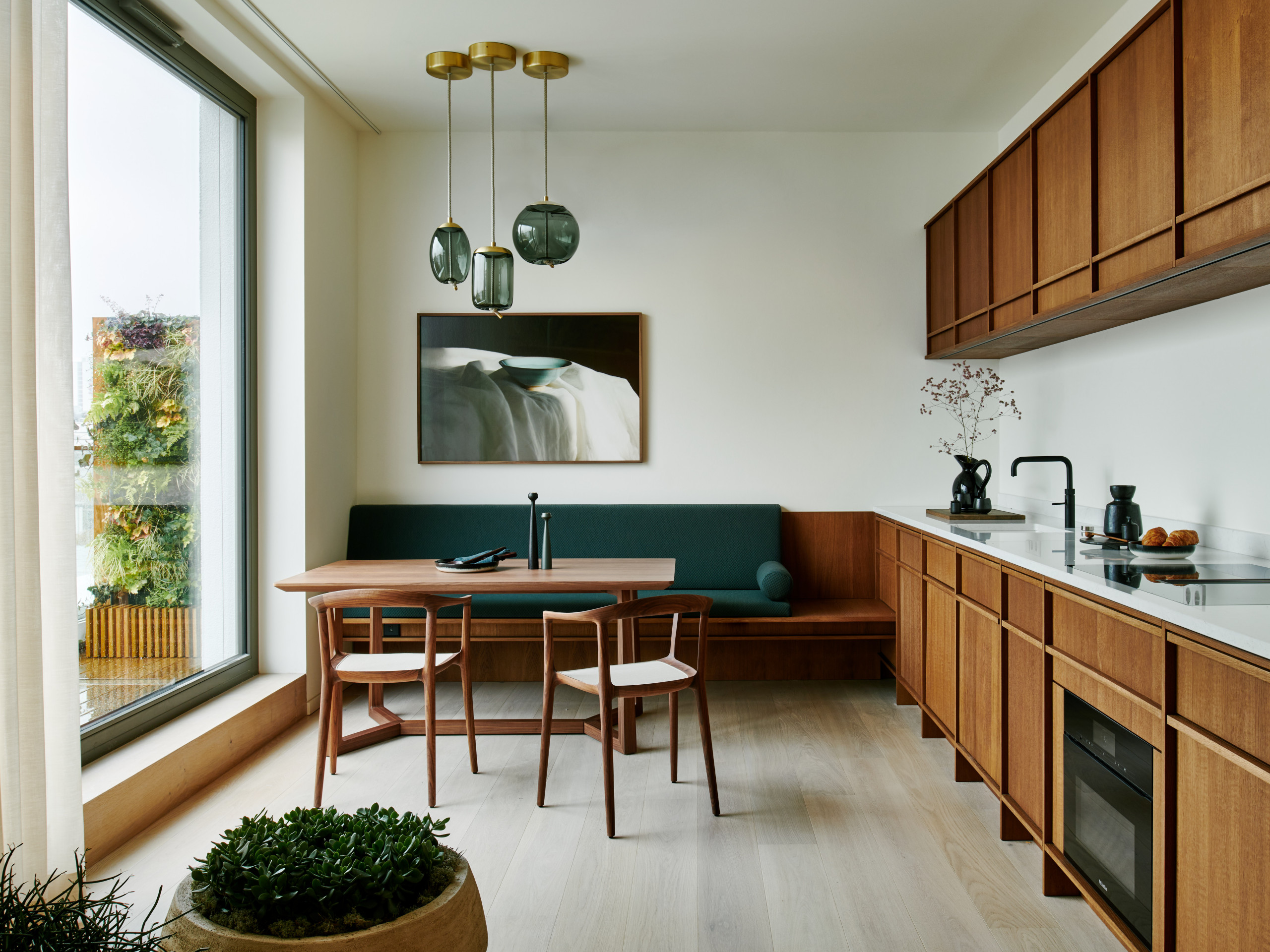
Set the foundation with clean-lined cabinetry in warm woods or soft neutral colors. Keep pots and pans tucked away in seamless storage compartments, and display just a few essentials in open shelving. Another factor to include is organic texture. To get this tactile element, go for natural stone, wood countertops, and glazed terracotta tiles.
Home Office: Work With Comfort
Besides the bedroom, another space in the home where Japandi is just perfect for is the home office or any workspace. It creates a harmonious space where productivity becomes easier, thanks to its focus on harmony. But without sacrificing style!
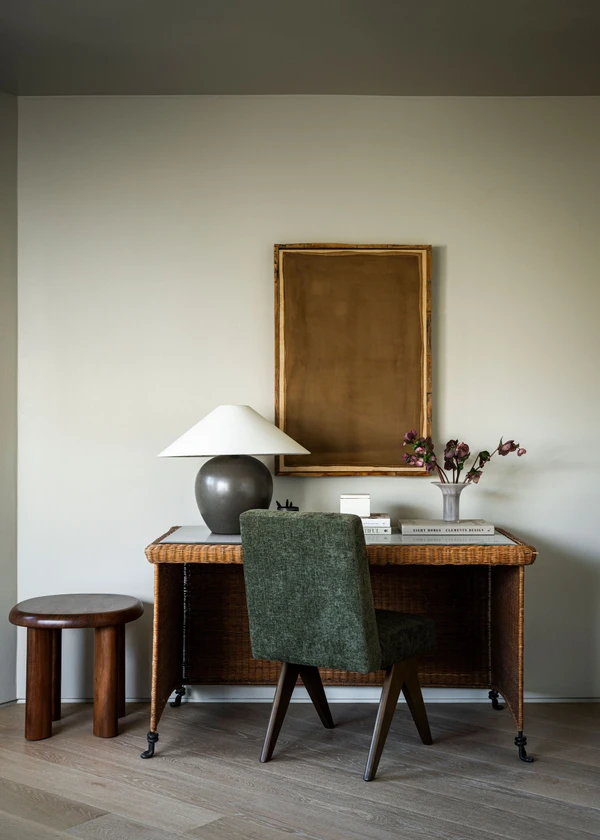
A sleek desk in beautiful natural wood paired with an ergonomic chair is a simple yet wonderful way to set up your Japandi home office. Just like the kitchen, when it comes to storage solutions, y’all should keep work materials organized but accessible to prevent getting distracted from the task at hand.
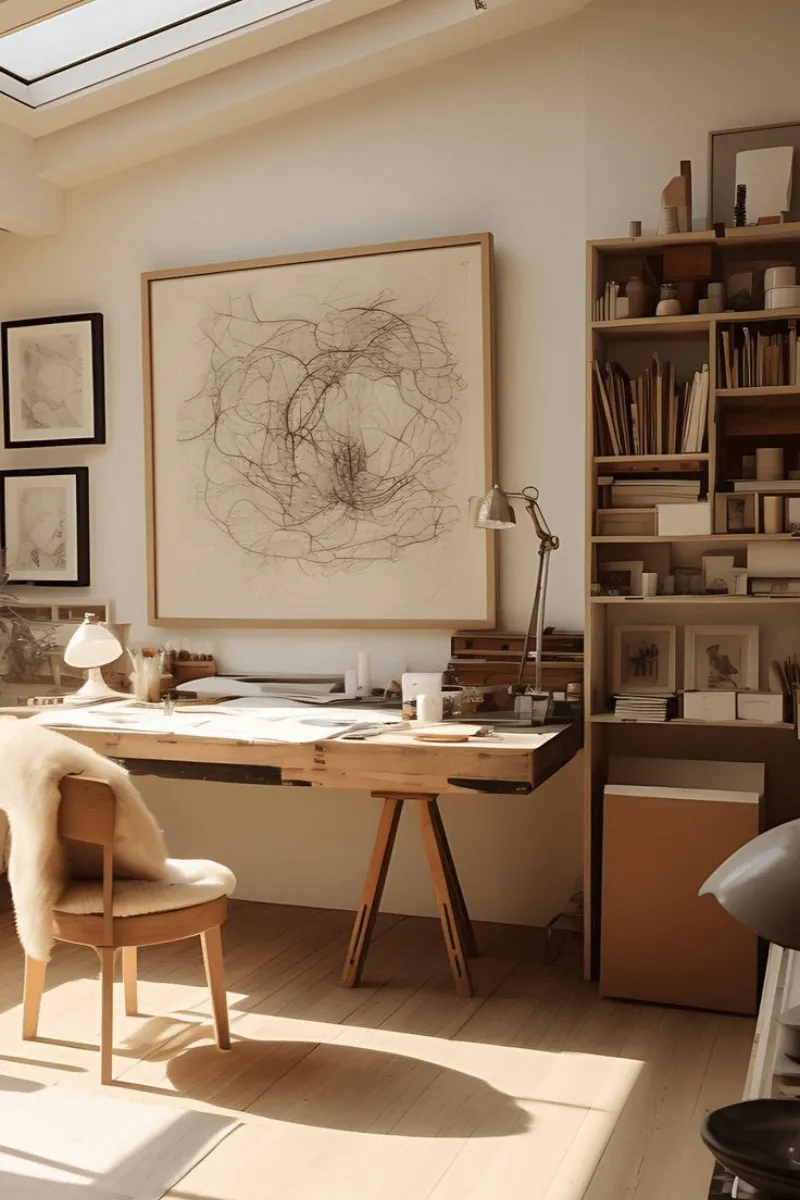
A few carefully chosen decorative elements – perhaps a small plant or a piece of inspiring art – add personality without pulling focus. The beauty of a Japandi workspace? It’s designed to help you concentrate on what matters while still feeling connected to your home’s overall aesthetic.
Why Choose Japandi For Your Home
By now, y’all know I like to think every interior design style has something unique and beautiful. But to me, Japandi is somewhat different. It goes beyond just design.
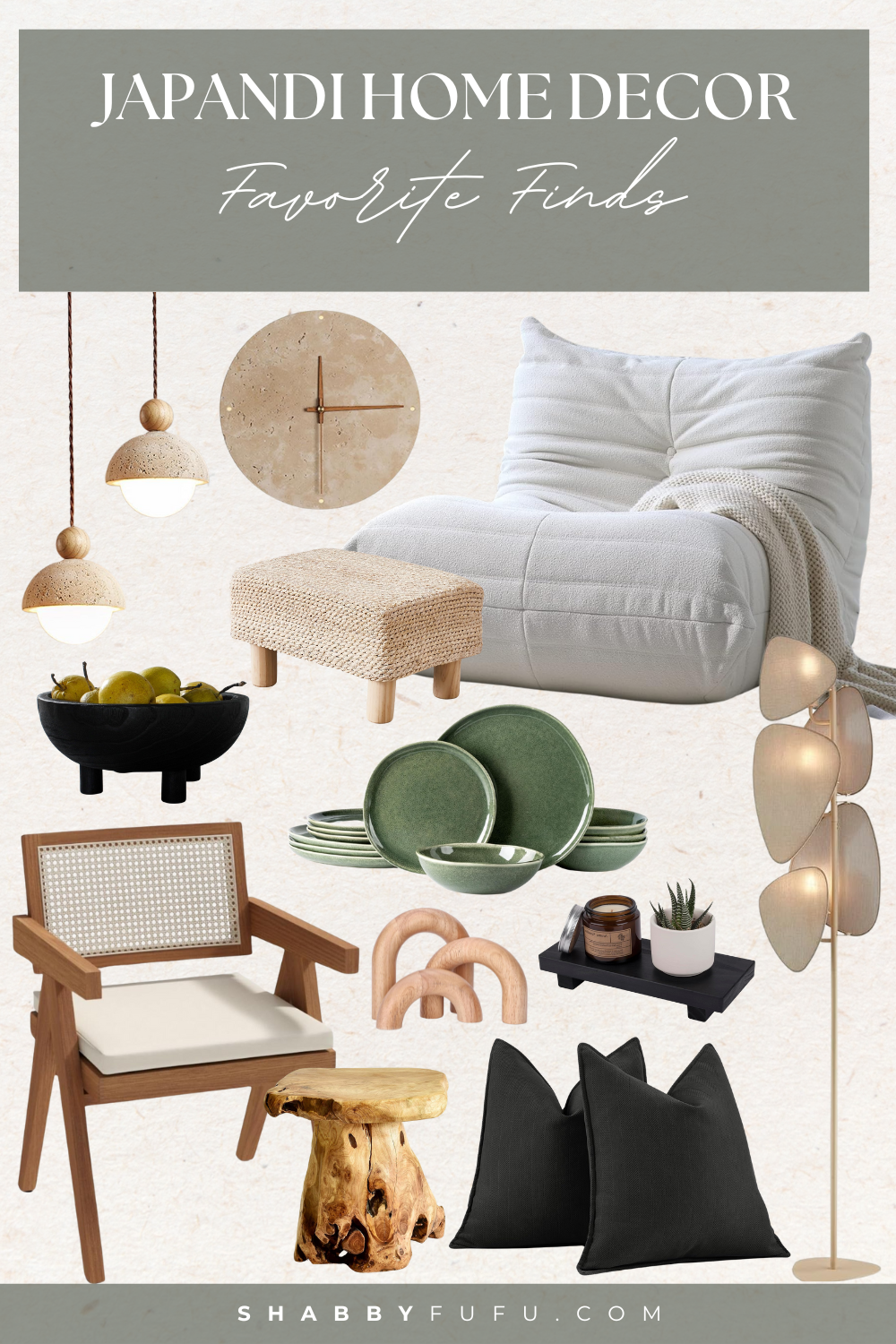
Black Pillow Covers | Decorative Tray | Tree Stump Stool | Arch Sculptures | Stone Pendants | Bean Bag Chair | Foot Stool Ottoman | Tall Boho Lamp | Rattan Dining Chair | Wall Clock | Black Wood Decorative Bowl | Ceramic Dinnerware Set
It feels more like a life philosophy, and I love that! It’s an approach to everyday living that celebrates the beauty in imperfection and gives us permission to breathe in our spaces. This intentional simplicity, paired with its irresistible warmth, makes Japandi more than just a trend—it’s a genuine way to create a home that supports how you actually live.
What’s your favorite Japandi element? Let’s chat in the comments—I’d love to hear your thoughts! Need help bringing this look into your home? Drop your questions below!
Looking for more home decor ideas and inspiration? Have a look at these guides that might just transform how you see your home!
Say Goodbye to Cool Tones: The Rise of Rich Warm Neutrals in 2025
Curved Furniture And Architecture: Why Soft Curves Are Dominating Interior Design
The Art of Decorating: How Statement Pieces Transform Your Home
This is interesting by mixing the 2 styles I think it is more appealing. When it is either or I lean more towards Scandinavian. I do think natural textures add a cosy vibe to a space. I’m going to look into this more. LOL I didn’t even know it was a thing.