Lighting Tips That Instantly Elevate Any Space
This post may contain affiliate links. For more information, please see our disclosure policy.
Interior designers have lighting tips that can dramatically transform any space—and it’s way simpler than y’all think!

When I first started my home decor adventures, I would spend hours choosing the perfect paint color, hunting down the most beautiful furniture, styling everything just so, and then flip on that single ceiling light and wonder why my space felt flat.
Turns out, I was missing the one thing that can either make or break a beautiful room: proper lighting layers!
At first glance, lighting might seem like an obvious element to think about when styling a room. Yet it’s one of the most overlooked elements in home decor!
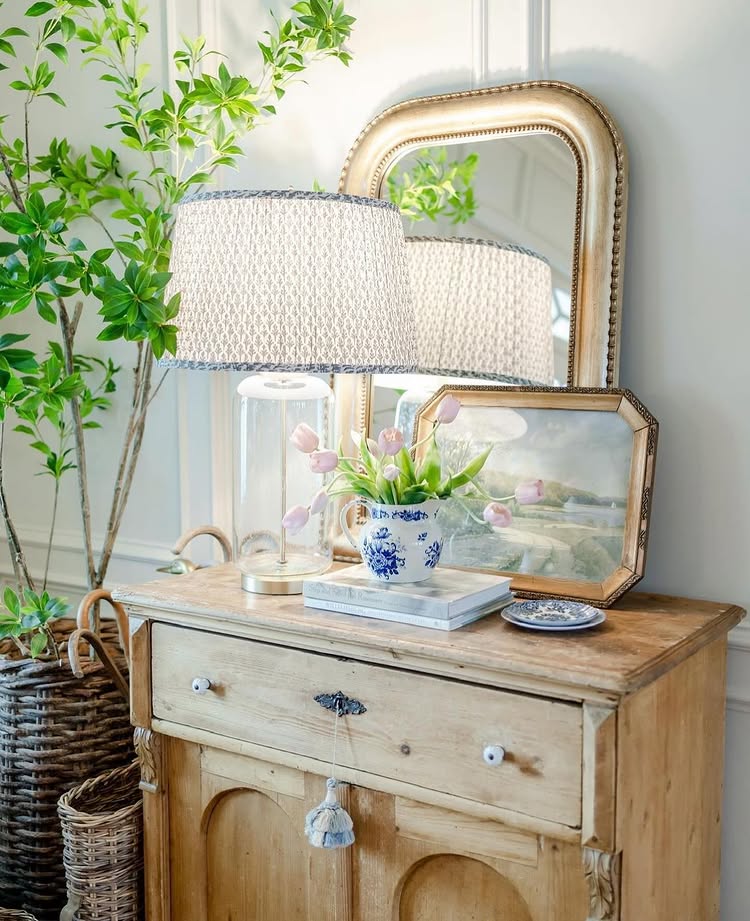
That’s why today we’re diving into some fantastic and easy-to-apply lighting tips that can transform any space.
Lighting Tips That Instantly Elevate Any Space
Interior designers and decorators have been using these lighting tips for years, and you’ve probably spotted them in your favorite design photos without even realizing it.
While designers have plenty of lighting tips in their toolkit, there’s one basic principle they all swear by: Layered lighting!
The concept is simple—never depend on a single light source. Instead, create multiple layers of lighting to set different moods and accommodate all the things you do in each room. Beyond being incredibly practical, layered lighting is a sophisticated design approach that instantly elevates any space.

Rooms become versatile—bright and energizing for productive tasks, calming for night routines, or inviting for entertaining. It’s like having multiple rooms in one, all controlled by your lighting choices.
And that’s the thing about layered lighting tips! When done right, layered lighting works like magic in your home.
Plus, you don’t need major electrical work or big renovations.
The most effective lighting tips for layered lighting can be done with smart placement of lamps, the right bulbs, and fixtures that work with what you already have.
The Foundation: Understanding Ambient, Task, and Accent Lighting
Creating beautifully balanced rooms starts with understanding these three essential lighting types. Each serves a specific purpose, and mastering how they work together will transform your interiors.
Ambient Lighting: Your Base Layer
Ambient lighting provides your room’s overall lighting. This is the step that most homeowners stop at, though it’s really just the beginning of thoughtful lighting design.
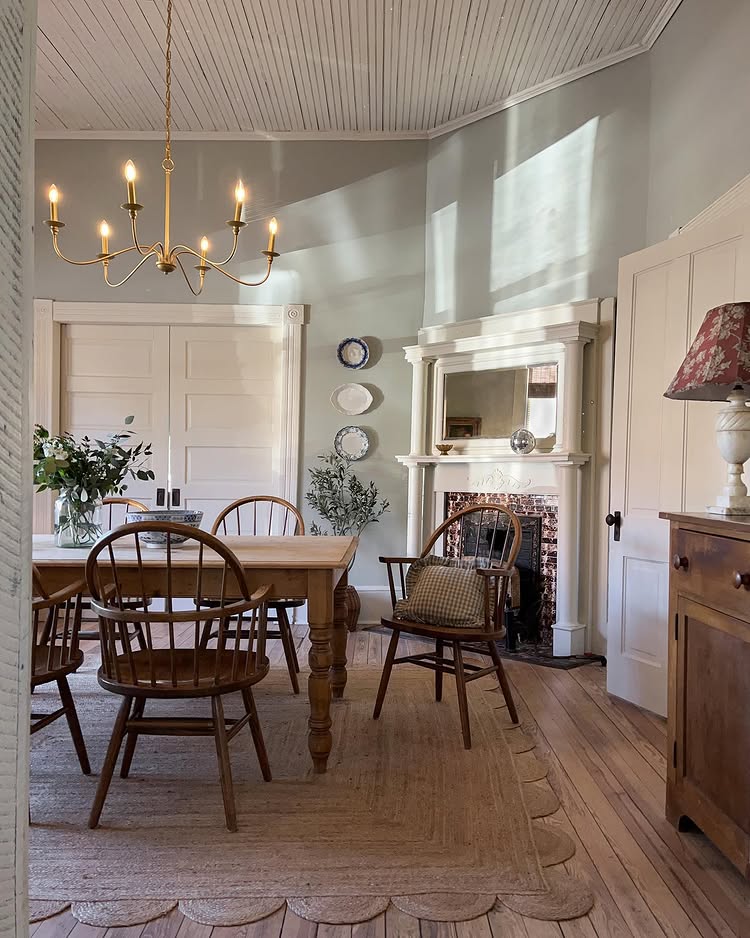
Ceiling fixtures, recessed lighting, and statement floor lamps form this essential base layer.
The goal here isn’t to flood every corner with bright light but rather to establish a comfortable brightness level that allows safe traffic while creating a welcoming space.
Task Lighting: Function Meets Form
Task lighting is where we start getting personal and practical with our lighting tips.
These focused light sources are all about helping you accomplish specific activities with ease—reading, cooking, applying makeup, or working on projects.
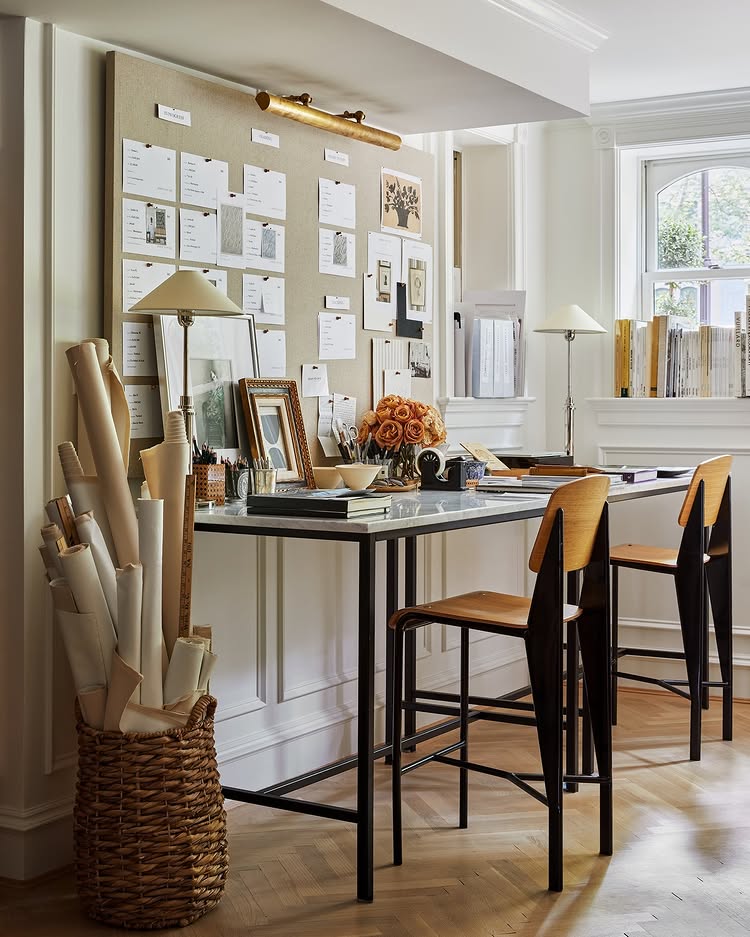
Consider the table lamp positioned beside your reading nook, under-cabinet lighting strips illuminating kitchen countertops, or the adjustable wall sconce flanking your bed.
Proper task lighting should provide sufficient brightness to prevent eye strain while being positioned to eliminate harsh shadows on work surfaces.
Accent Lighting: The Drama Maker
This is where personality and visual interest come into play. Accent lighting highlights architectural features, artwork, or decorative elements while adding atmospheric depth to your rooms.
Picture lights illuminating a gallery wall, LED strips creating a subtle glow behind your entertainment center, or strategically placed string lights adding warmth to a bedroom corner.
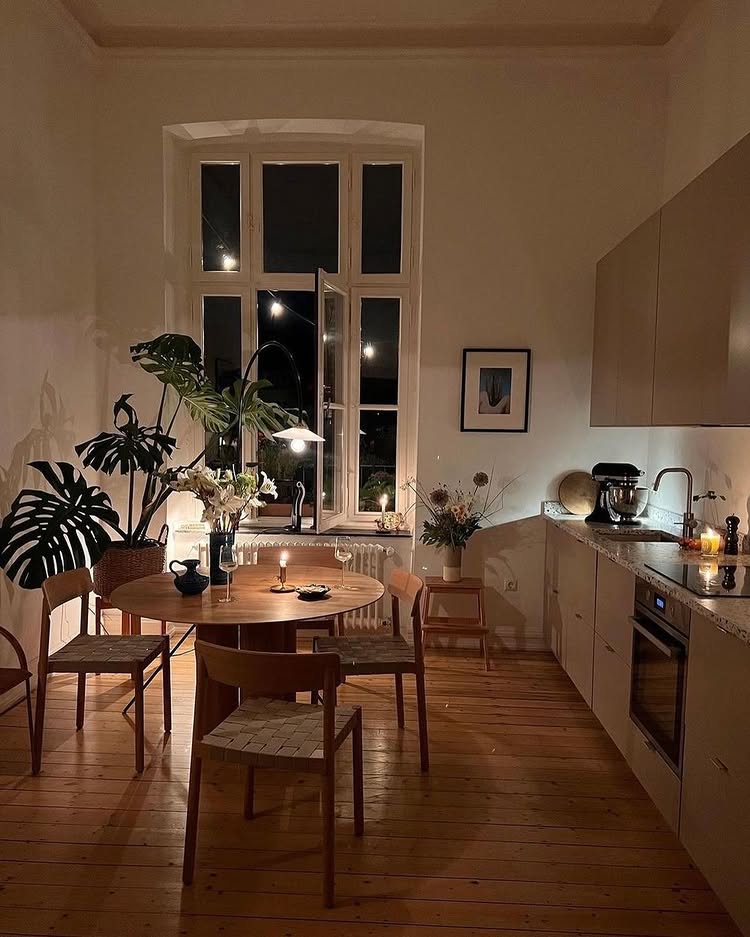
Accent lighting is typically the most subtle and directional, designed to create focal points and enhance your room’s overall ambiance.
The Game-Changing Lighting Tip
Want a game-changing lighting tip? Make each lighting layer independently controllable! Install separate switches, add dimmers, or choose fixtures that can be operated individually.
This flexibility allows you to adjust your lighting based on natural light conditions, time of day, and your specific activities.
Layer One: Setting the Foundation with Ambient Lighting
Your ambient lighting is doing the heavy lifting—it’s what makes a room feel bright enough to live in without being harsh or clinical.
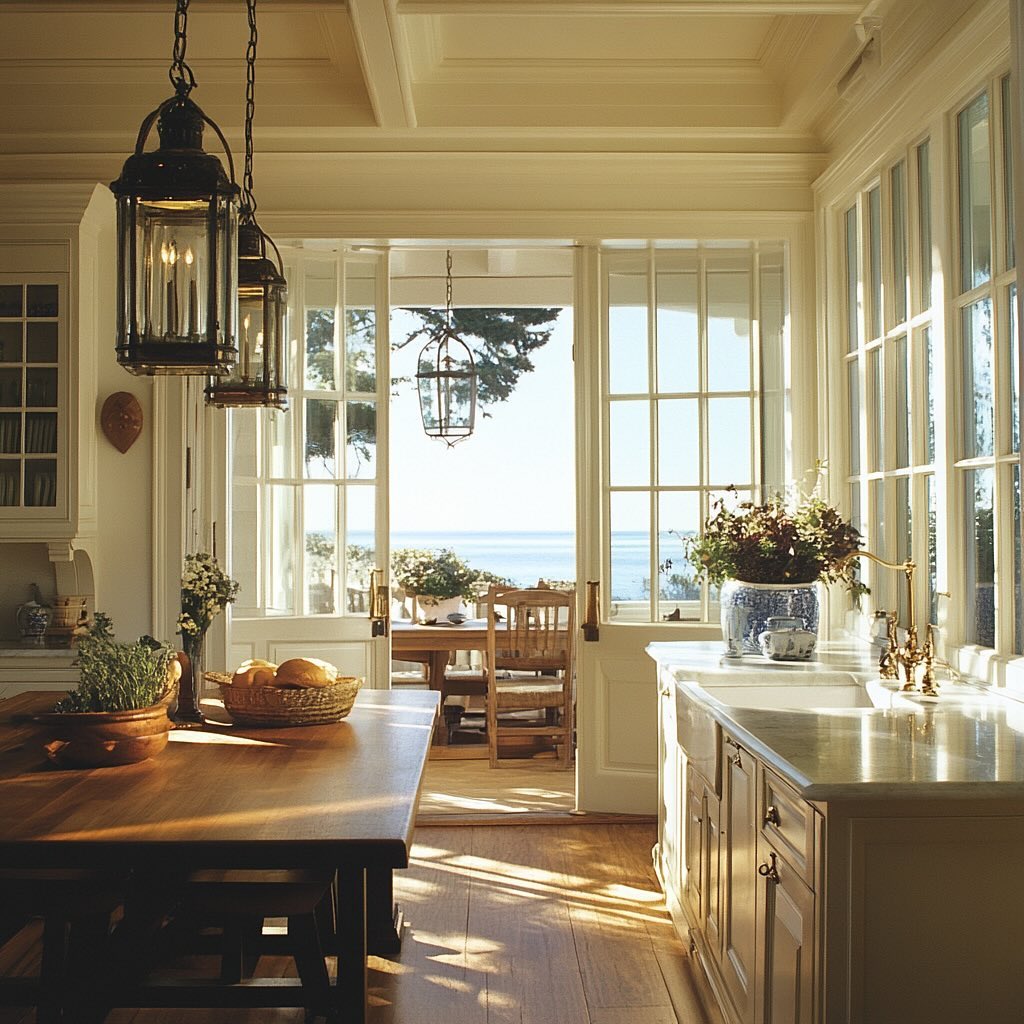
Getting this layer right sets the stage for everything else, and the good news is that most rooms already have some form of ambient lighting. The trick is making sure it’s working as hard as it should be!
Overhead fixtures are your workhorses here. Ceiling-mounted lights, chandeliers, pendant lights, and recessed lighting all fall into this category.
But here’s where people often go wrong—they choose fixtures that are either too small for the space or positioned incorrectly.
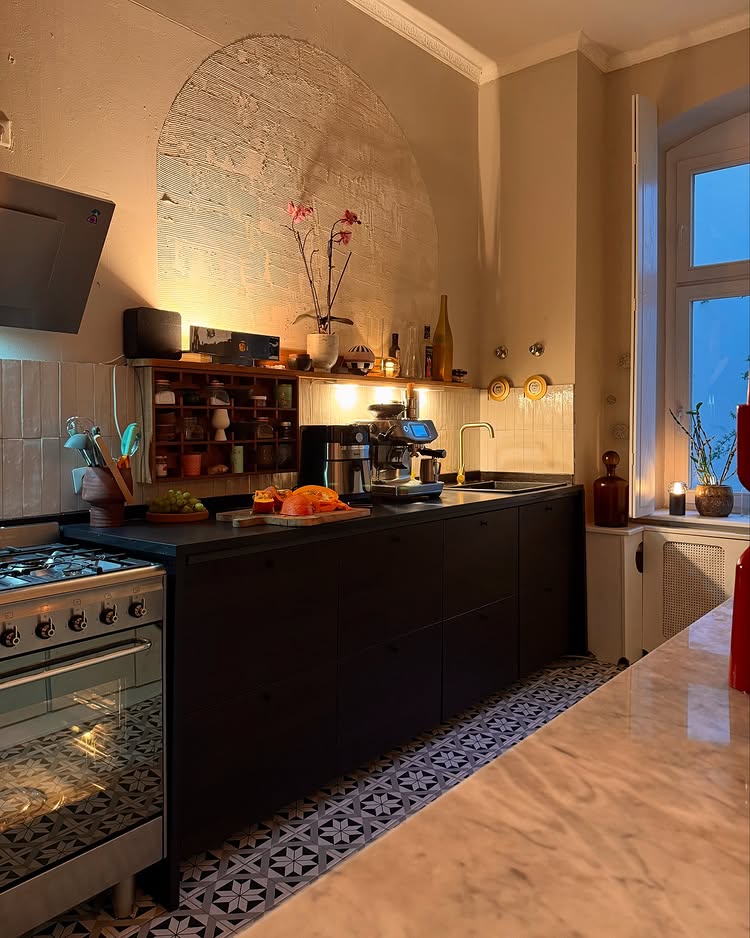
A tiny pendant light in a large living room will leave you with dark corners and an unbalanced feel. On the flip side, an oversized chandelier in a small dining room can overwhelm the entire space.
The key is creating even distribution without hot spots. Hot spots are those super bright areas directly under a light source that create harsh shadows everywhere else.
If you’re working with recessed lights, they should be spaced about 4-6 feet apart, depending on your ceiling height. For pendant lights or chandeliers, think about the room’s traffic flow—you want people to be able to move around comfortably without walking into fixtures or standing in dark patches.
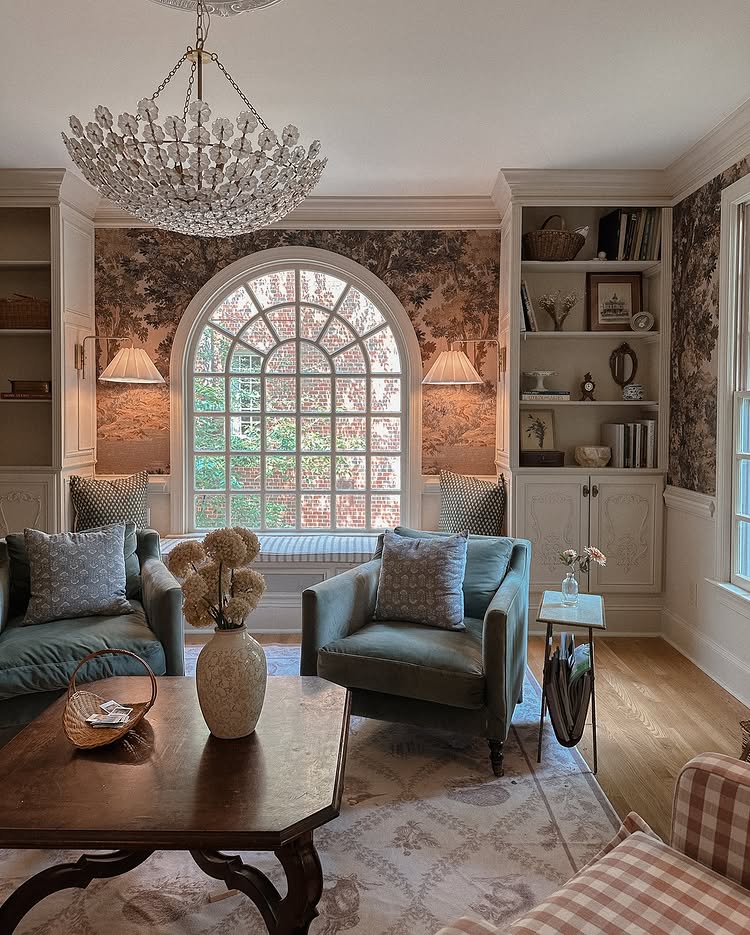
Don’t forget about floor lamps with upward-facing light. Torchiere floor lamps or those with translucent shades that let light bounce off the ceiling can add wonderful ambient lighting without any electrical work.
They’re especially great for rooms where overhead lighting feels too harsh or in rental spaces where you can’t install new fixtures.
Natural light counts as ambient lighting, too. During the day, your windows are doing most of this work, which is why rooms can feel so different once the sun goes down.
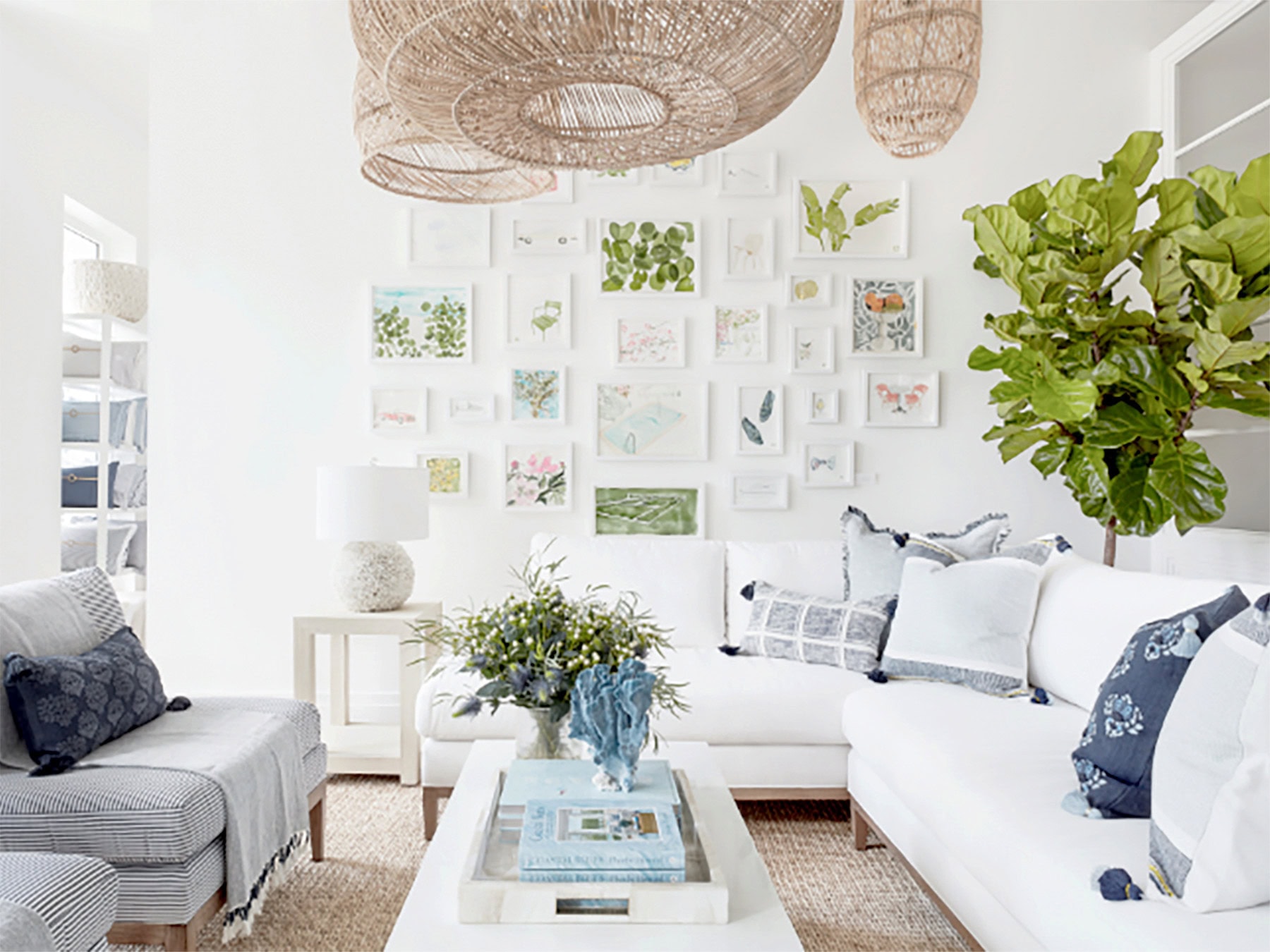
If you have great natural light during the day, your evening ambient lighting can be softer and more atmospheric. Rooms with limited natural light might need brighter ambient sources to feel comfortable and inviting.
The goal with this foundation layer and lighting tips is to create a space that feels evenly lit and comfortable to be in, even if it’s the only light source you’re using. Once you’ve got that baseline established, you can start building the layers that make your room truly special.
Layer Two: Adding Purpose with Task Lighting Tips
Task lighting is where your rooms start working for you! This is the lighting that makes daily activities actually enjoyable instead of frustrating—no more squinting at your book or struggling to see what you’re chopping for dinner.
The secret to great task lighting is not just on the lamp itself, but also in the positioning. You want light coming from the side or slightly behind you, not directly overhead, where it’ll create shadows exactly where you need to see.
Those bedside table lamps? They should be positioned so the bottom of the shade is about at eye level when you’re sitting up in bed.
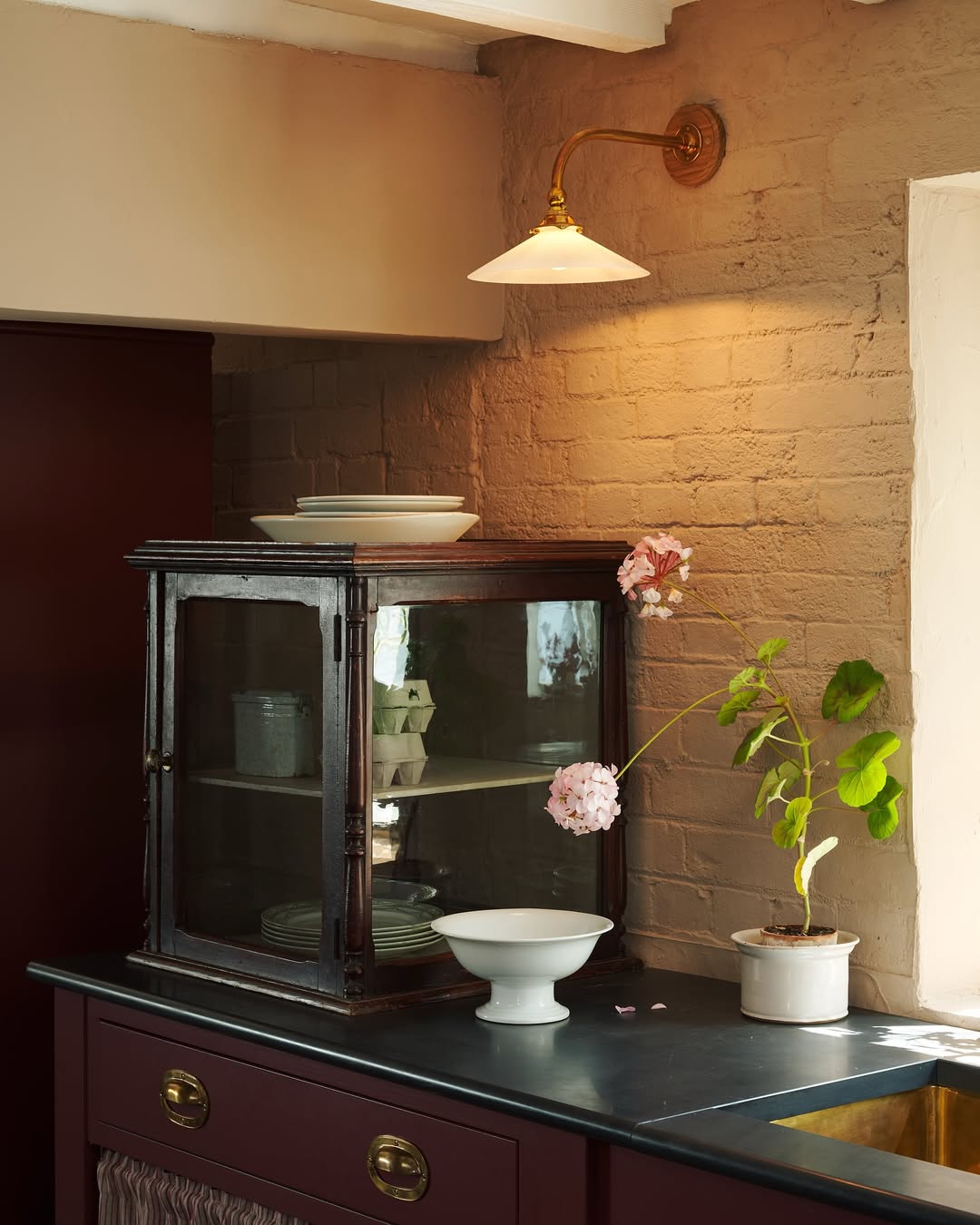
Similarly, kitchen under-cabinet lighting needs to be mounted toward the front of the cabinets, not the back, so light hits your workspace instead of just the backsplash.
Desk lamps are essential, both for style and function. Plus, they can sometimes work as an accent element, too!
A sleek brass desk lamp can pull double-duty as task lighting for your home office and accent lighting for your bookshelf. Swing-arm wall sconces are perfect for reading nooks or beside the bed, especially in smaller spaces where table lamps might feel cramped.
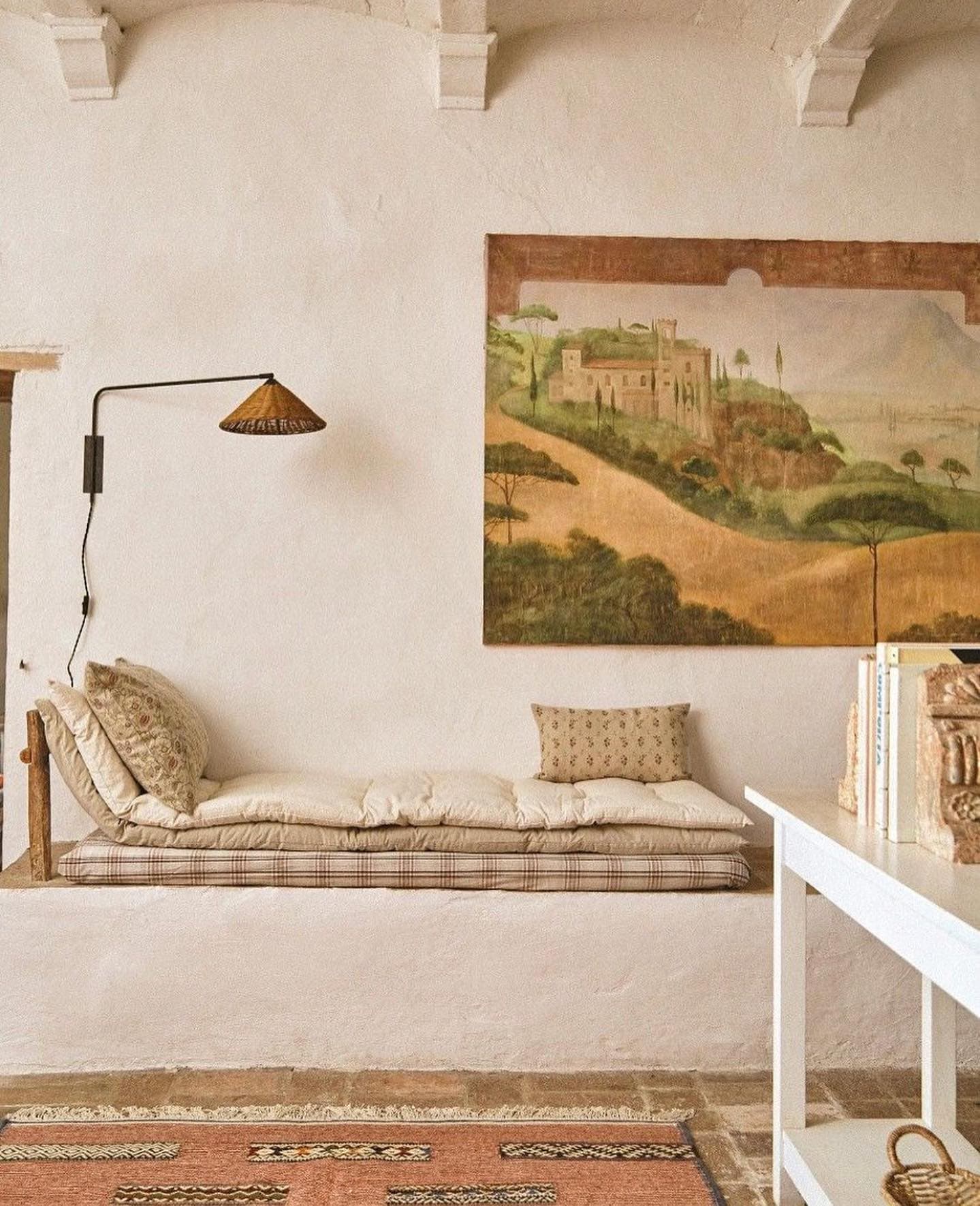
One of the most important lighting tips? Task lighting should be significantly brighter than your ambient lighting—usually about 2-3 times brighter for detailed work.
But here’s the thing: you don’t want it so bright that it creates a jarring contrast with the rest of the room. The goal is comfortable visibility, not interrogation room intensity.
Layer 3: Creating Drama with Accent Lighting Tips
Now, we’re getting into the fun part, y’all! Accent lighting is where your personality shines through. This is the layer that makes your interiors stand out and not just look but feel special the moment someone walks into it. Let’s go over some lighting tips for your accent lights!
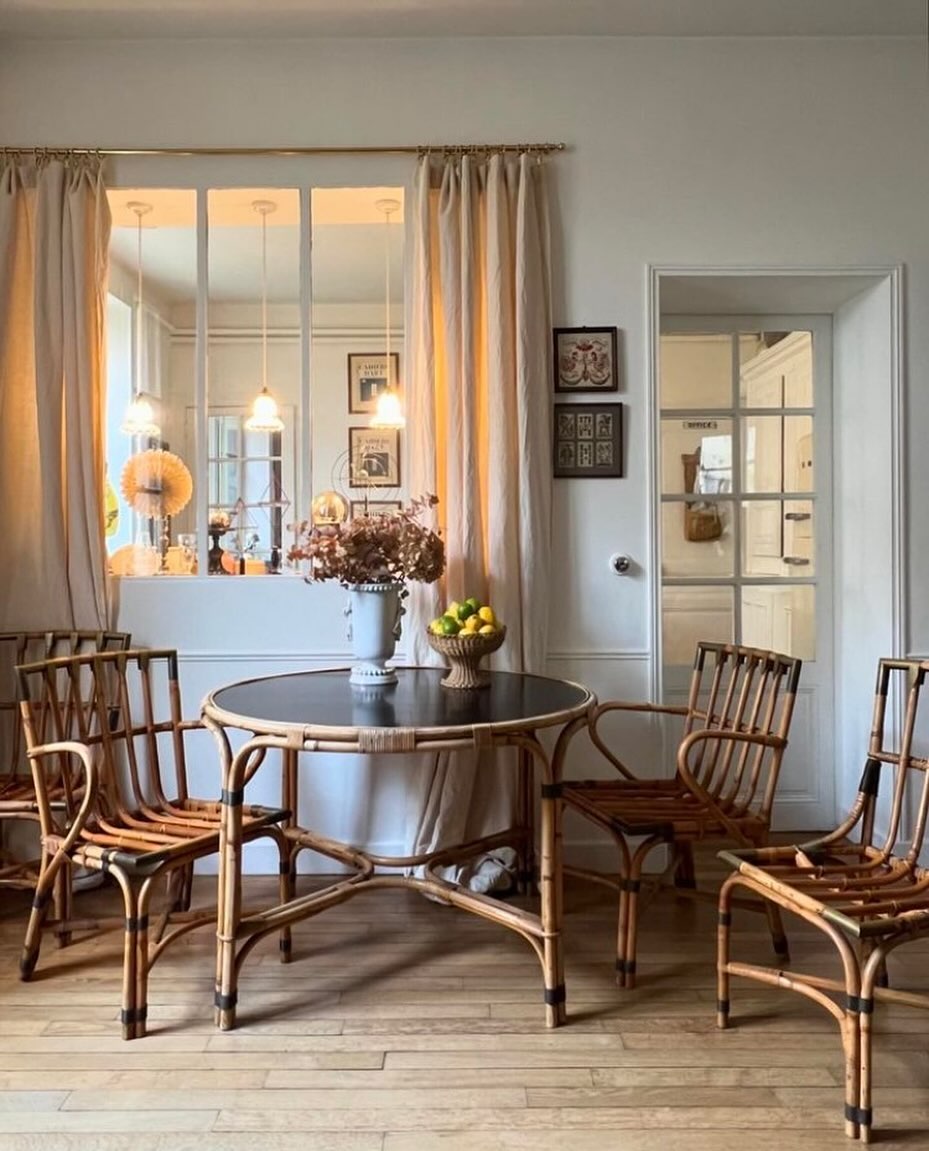
Accent lighting it’s often the difference between a room that feels thoughtfully designed and one that just feels adequately lit.
One of my biggest lighting tips for accent light? The key is restraint.
You want to highlight your room’s best features, not light up everything equally. Think of it as creating visual interest and guiding the eye to what you want people to notice first.
Picture lights and display lighting are accent lighting classics. Battery-powered picture lights have come so far—y’all can now get ones that look completely hardwired but install in minutes.
LED strip lights tucked behind floating shelves create this gorgeous floating effect that makes your favorite objects look like they’re in a museum. Even a simple spotlight pointed at a beautiful plant can transform a forgotten corner into a statement-making nook.
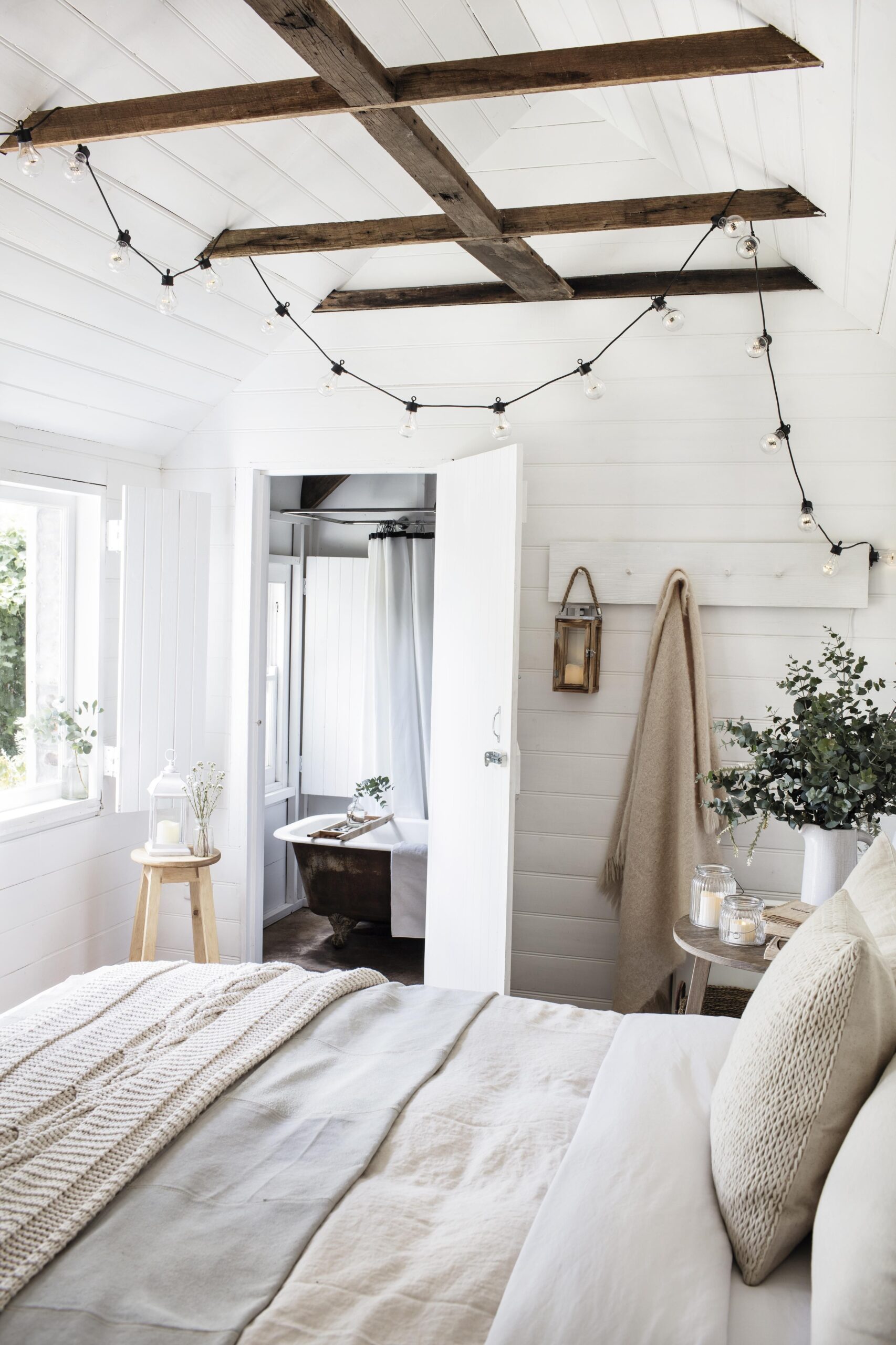
Don’t forget about indirect lighting! This lighting source creates the most magical atmosphere. We’re talking LED strips behind your TV, under floating vanities, or along the back of your headboard to create this soft glow that makes everything feel more luxurious.
Try draping them behind sheer curtains or weaving them through a bookshelf for a more whimsical feel!
Candles absolutely count as accent lighting, and they’re one of the easiest ways to add instant ambiance. So lighten up!
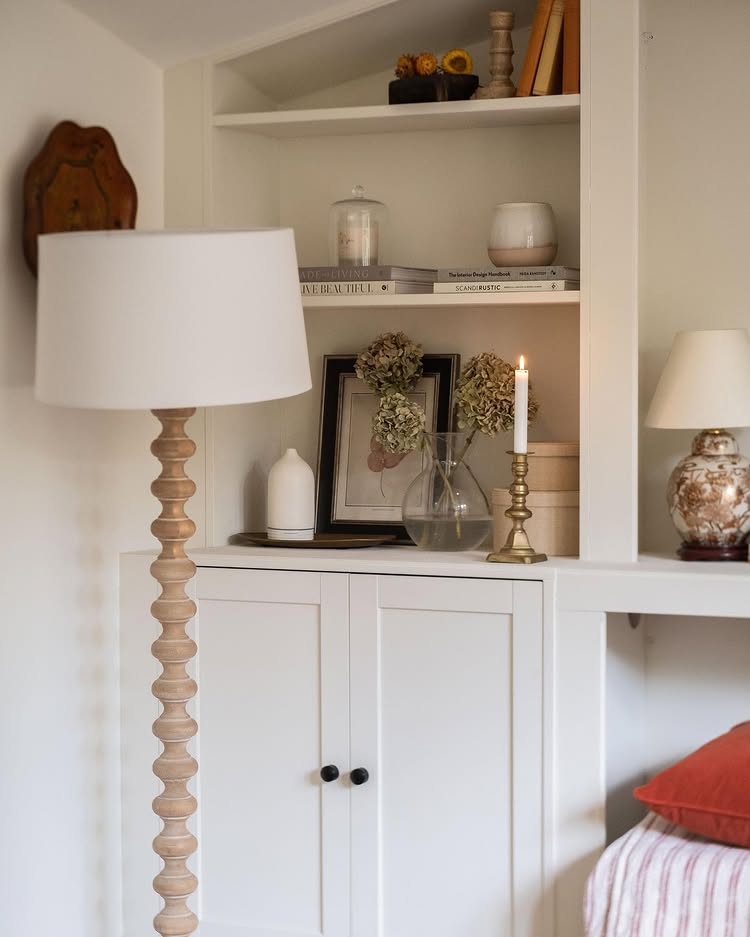
Group them at different heights, use them to highlight specific areas, or float them in glass bowls for a spa-like effect. Battery-operated candles have gotten incredibly realistic if you want the look without the flame.
Quick Lighting Swaps That Transform Any Room
Y’all know I’m a huge fan of simple switches. In my experience. The smallest changes can sometimes make the biggest impact!
These lighting tips and swaps take minutes to implement but deliver that instant “after” photo transformation that makes your space feel completely refreshed.
Replace your basic light bulbs with dimmable LEDs. This might be the single most impactful change you can make.
Swapping out harsh white bulbs for warm, dimmable LEDs instantly makes any fixture feel more expensive and sophisticated. Look for bulbs labeled 2700K for that cozy, restaurant-quality glow. The dimming capability alone will change how you use your space throughout the day.
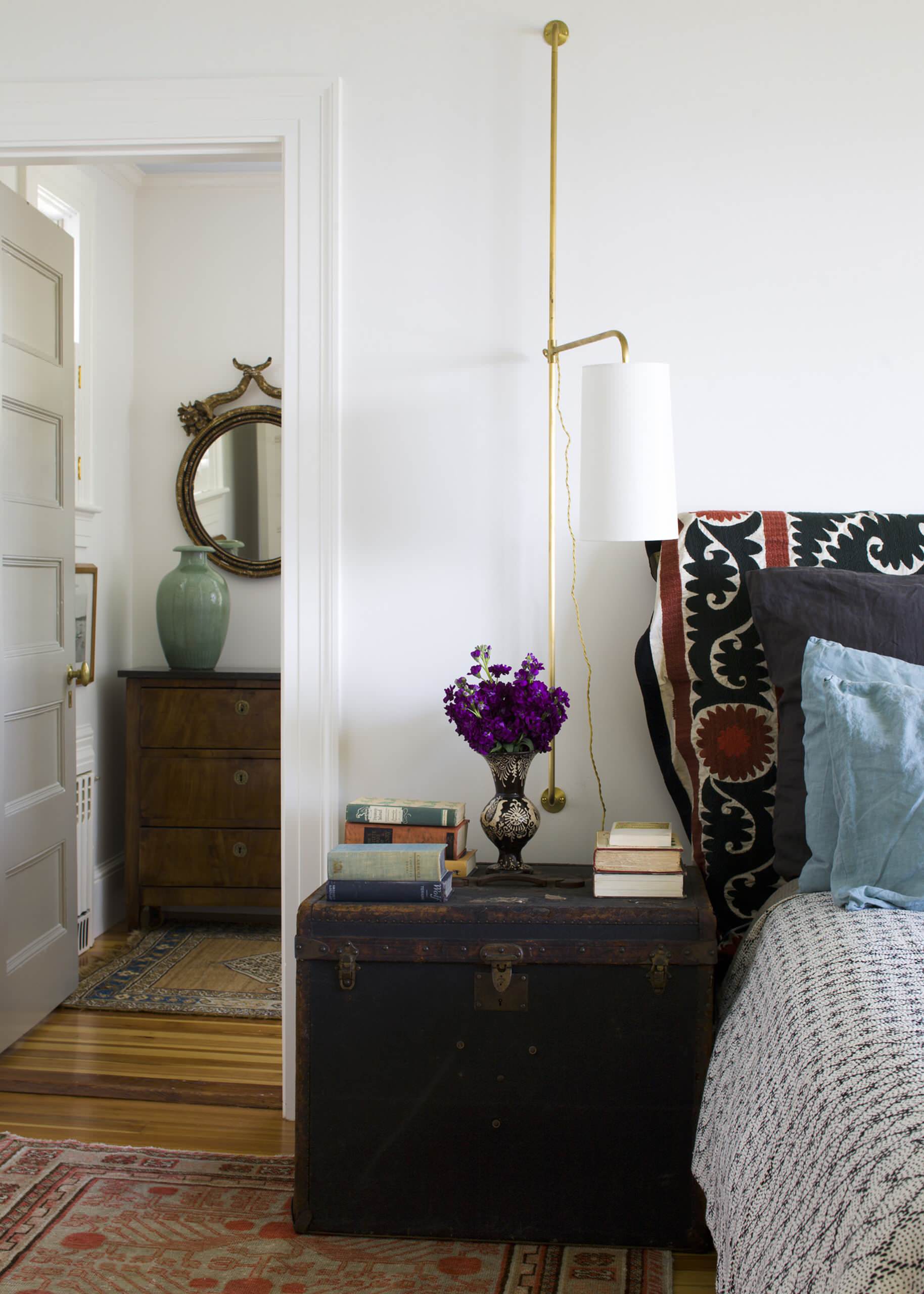
Switch out lampshades for a bigger impact than new lamps. A dated lamp can become a showstopper with the right shade. Drum shades create clean, modern lines, while pleated shades add texture and visual interest.
Going one size larger than what you currently have often creates better proportions and a more flattering light distribution. White or cream shades maximize light output, while colored or patterned shades become statement pieces.
Add battery-powered LED strips anywhere you need a glow. Under kitchen cabinets, behind your TV, inside glass-front cabinets, or along the back of floating shelves.
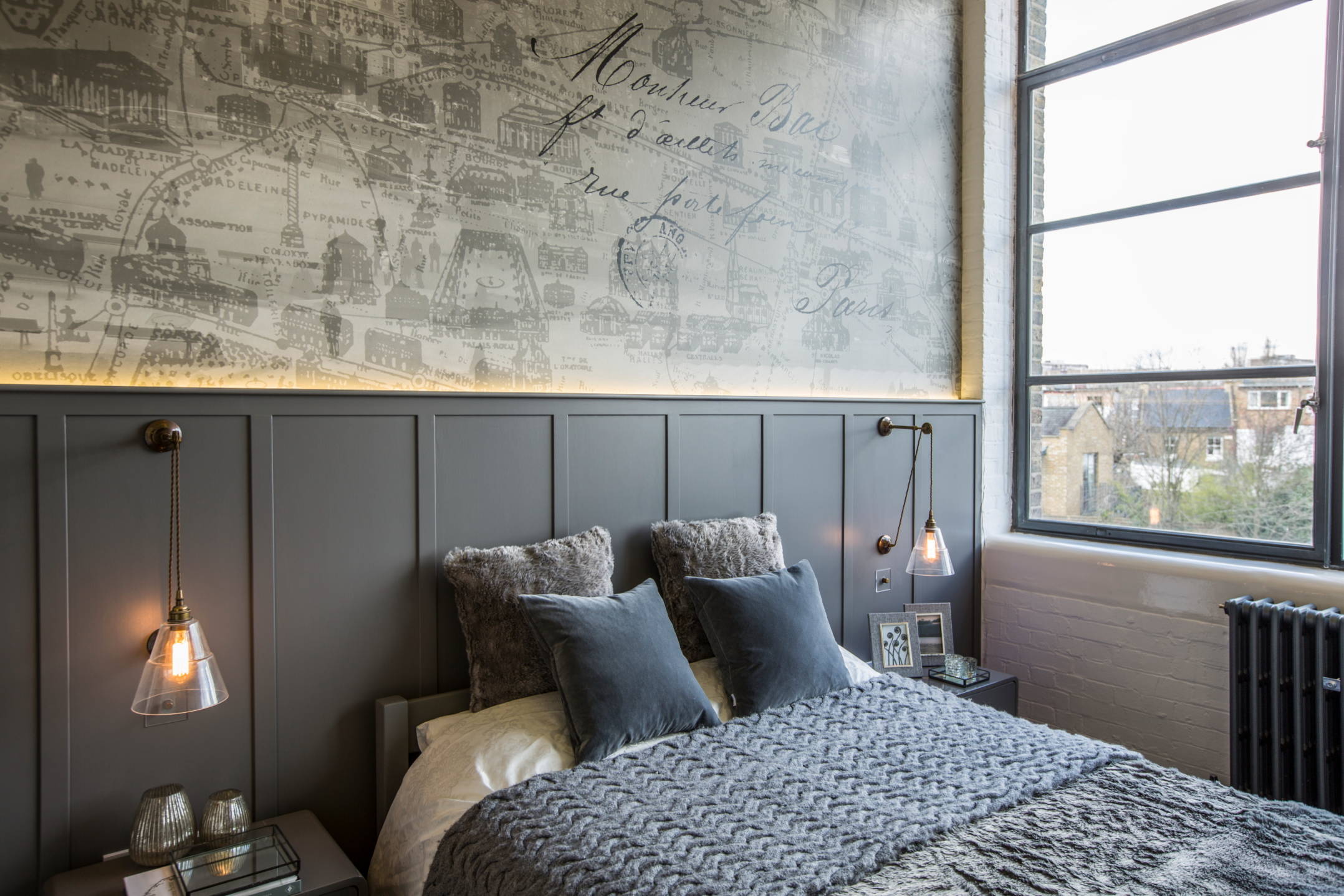
These require zero electrical work but create that custom, built-in lighting look that screams professional design. Many now come with remote controls and timer functions, making them as convenient as they are beautiful.
Relocate existing lamps to more strategic positions. That table lamp buried in a corner isn’t doing much good—try moving it next to your favorite reading chair or onto a console where it can provide both task and ambient lighting.
Floor lamps work harder when they’re positioned to bounce light off walls or ceilings rather than just illuminating their immediate area.
Group smaller lights together for a major visual impact. Three small table lamps clustered at different heights can create more drama than one large fixture. Battery-operated votive candles scattered across a mantle or coffee table instantly elevate the entire room’s ambiance.
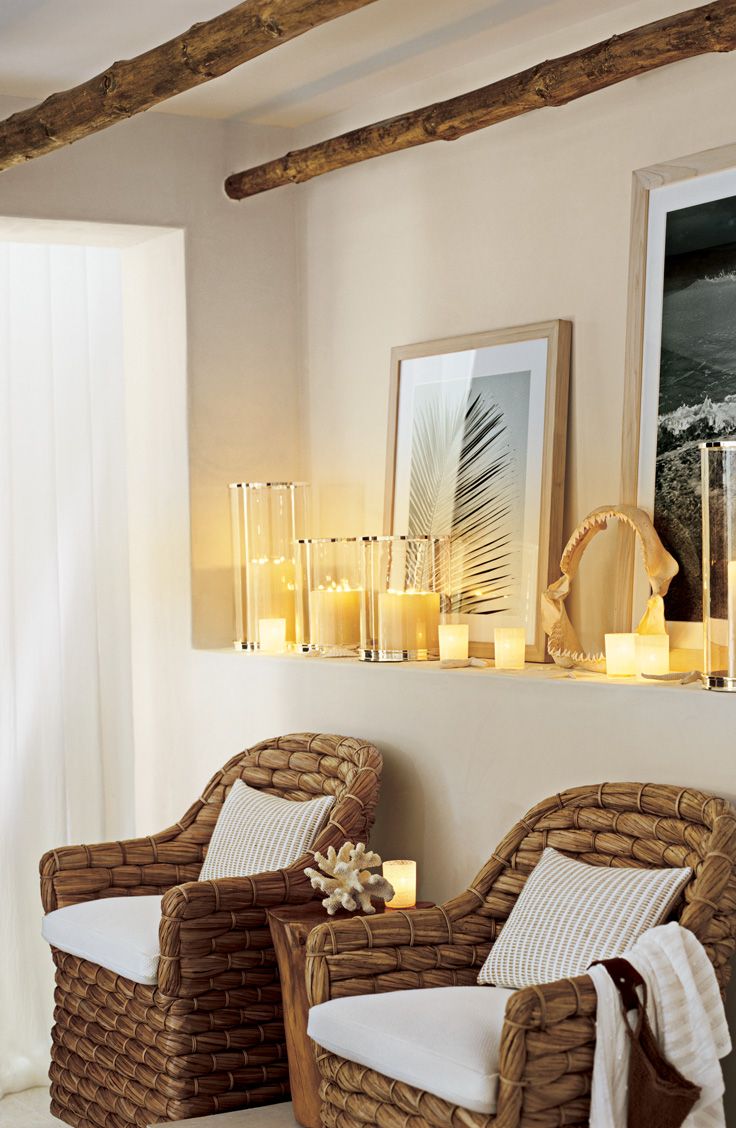
Lighting truly is the secret weapon of great interior design, and now you have all the tools to master it!
Pick one room and start experimenting with these lighting tips!
Which layer will you tackle first? Comment below and follow me on Instagram @shabbyfufu for more home design inspiration!
Want more home decor and styling tips? Check out these posts!
How to Style a Cottagecore Bedroom Ideas
What Is Boucle Fabric? Why This Cozy Texture Is Everywhere Right Now
That’s great advice. I will file this away for when I finally get the house of my dreams.
I love that! It’s always good to have a little inspiration saved up for when the time is right. I hope that dream house comes together even better than you imagine!