Textured Wall Treatments: How to Elevate Your Walls With Limewash, Plaster, and More
This post may contain affiliate links. For more information, please see our disclosure policy.
Give your interiors a new look with textured wall treatments! Learn what styles and techniques are trending, get inspired by real-life examples, and more.

Trend alert: Textured wall treatments are back. Yes, y’all heard that correctly. Texture wall treatments are making a comeback, and this time around, better than ever!
We all know our wall paint selection can make or break our home decor.
But even if we find the perfect paint shade, standard walls can leave your space feeling a bit flat, like something’s missing, but you can’t quite put your finger on it.
And that’s where the magic of textured wall treatments comes in.
Textured wall treatments can elevate everyday spaces into something unique and stylish without requiring a complete renovation. They can add instant dimension to any room, help cover up construction imperfections, and inject warmth into your space through texture.
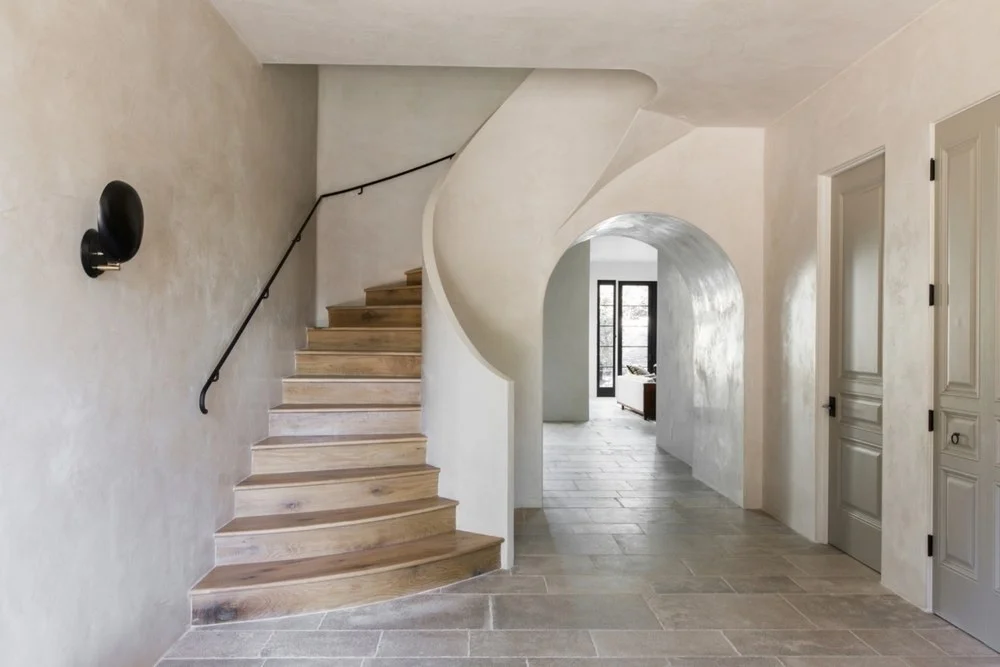
And that’s exactly why these techniques are trending once again!
I know, y’all. Textured wall treatments aren’t new. In all honesty, we’ve been using these techniques for centuries! After all, textures like stucco, orange peel, or Venetian plaster have become cornerstones in interior design.
But while our appreciation for these textures may come and go, we always go back to them.
Why? Because they offer so many options, each and every one of them feels timeless.
Textured wall treatments like micro cement can add an industrial edge to a flat room, while specialty clay finishes bring an earthy sophistication to the nature-inspired decorator. From the subtle variations of limewash for the farmhouse-style enthusiast to the luxurious depth of faux Tuscan plaster for the traditionalists, there’s a textured finish to match any style and any home.

And in this post, we’ll be covering tips, ideas, and examples for y’all to get inspired and excited over the comeback of textured wall treatments!
By the end of this post, y’all will have all the inspiration and practical know-how to transform your walls from flat to fabulous.
Whether you’re a confident DIYer ready to tackle a weekend project or someone who prefers to hire the pros, these textured wall treatments will take your home to a whole new level of wow.
Let’s get to it, shall we?
Why Textured Wall Treatments Are Having a Comeback
Walk into any design-forward home these days, and chances are you’ll spot at least one wall with a beautiful texture that makes you want to reach out and touch it.
There’s a good reason for this resurgence. Textured wall treatments bring a sense of craftsmanship and uniqueness we don’t get to see very often.

These treatments date back thousands of years, from the sun-baked plaster walls of ancient Mediterranean homes to the palazzos of Renaissance Italy. What’s old is gloriously new again, but with modern twists that make these techniques more accessible and adaptable than ever.
This is exactly why textured wall treatments are having such a moment right now!
Limewash: Old-World Charm Meets Modern Aesthetics
I’m willing to bet y’all have seen this gorgeous textured wall treatment all across your Pinterest and Instagram feeds.
Limewash—a calcium hydroxide coating with ancient roots that’s been making waves for a few years now. It’s the perfect solution for anyone who wants their walls to look interesting without going too over the top.
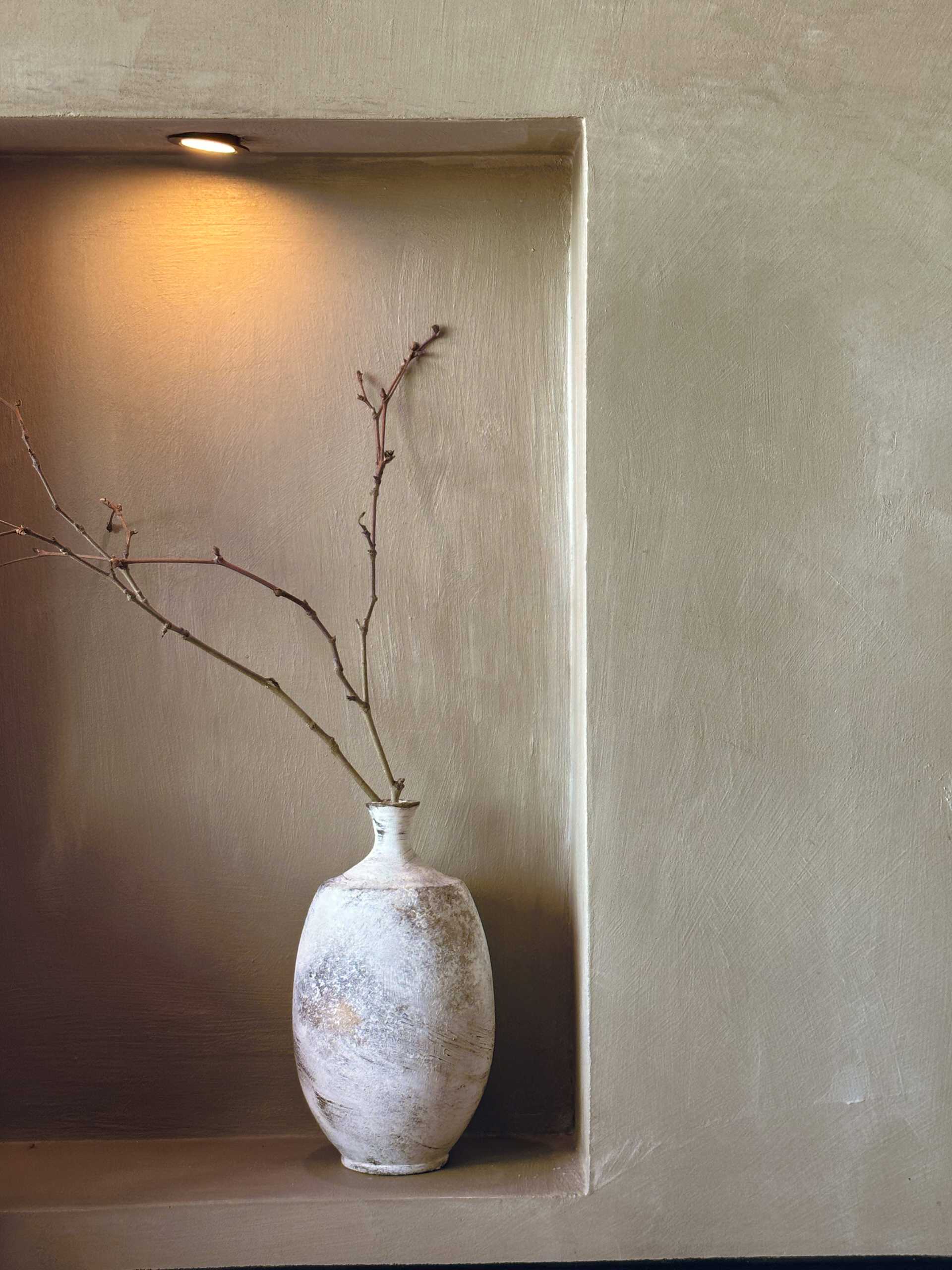
What makes limewash so special is its subtle depth. The matte, chalky finish creates gentle color variations that change throughout the day as light shifts across your walls. It’s never flat or boring—instead, it has this soft, dimensional quality that makes even the newest construction feel established and intentional.
Luckily for us, getting this look isn’t nearly as complicated as y’all might think!
While hiring a pro will give you the most polished result, it’s definitely DIY-friendly if you’re willing to do some prep work. Depending on what brand you go for and your wall type, you’ll probably need to prime your walls first and then apply 2-3 coats using a cross-hatch technique with a specialty brush. The beauty of limewash is that imperfections are part of its charm.
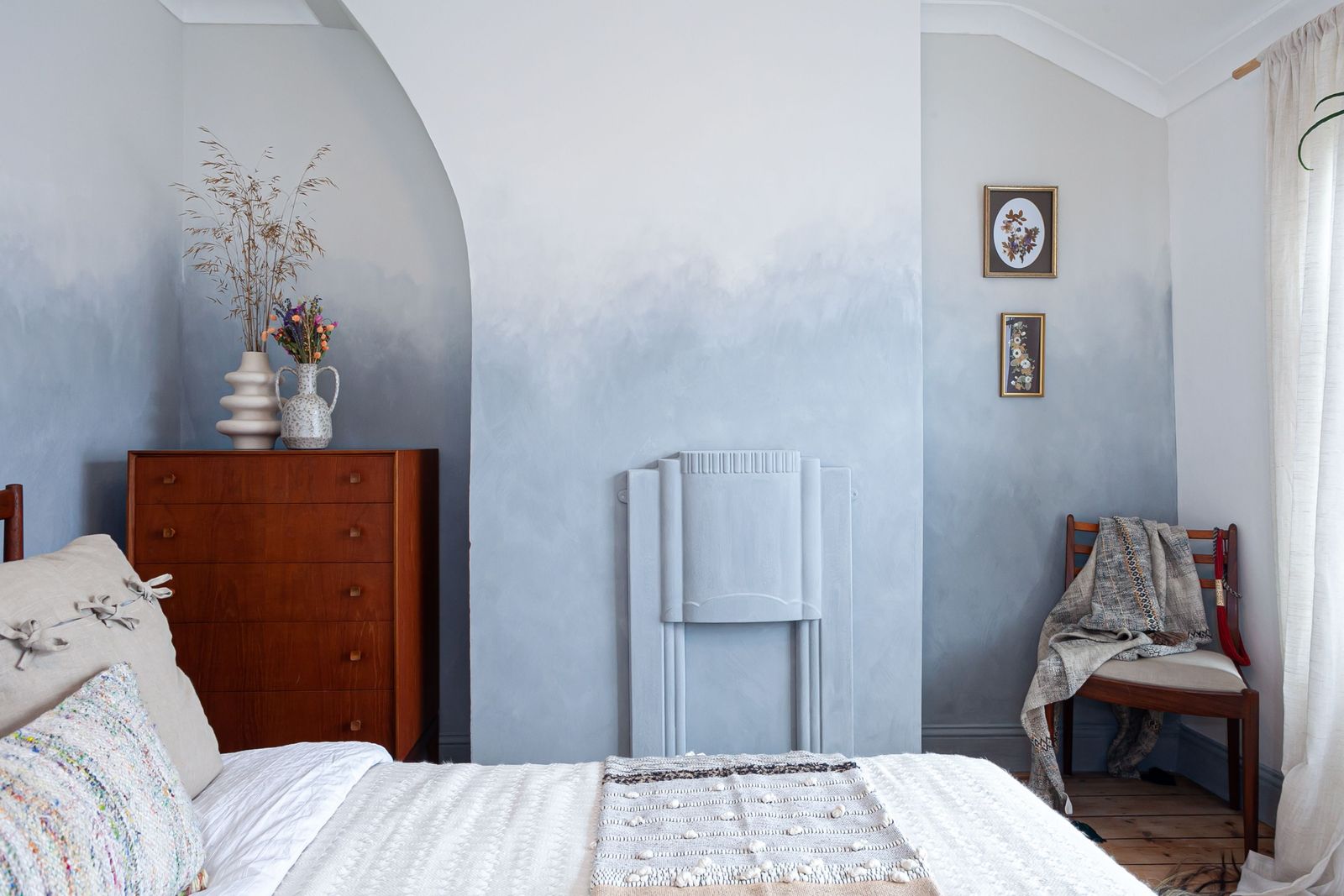
So, there’s no need to stress about getting it perfect. Imperfect is actually part of its charm!
This finish works so beautifully in living rooms and bedrooms where you want to create a more welcoming and cozy vibe. It’s great if you like a more minimalist approach and just want texture without adding too many bells and whistles.
If y’all are scared to commit to large surfaces, you can still try it out. Try it on just one wall first!
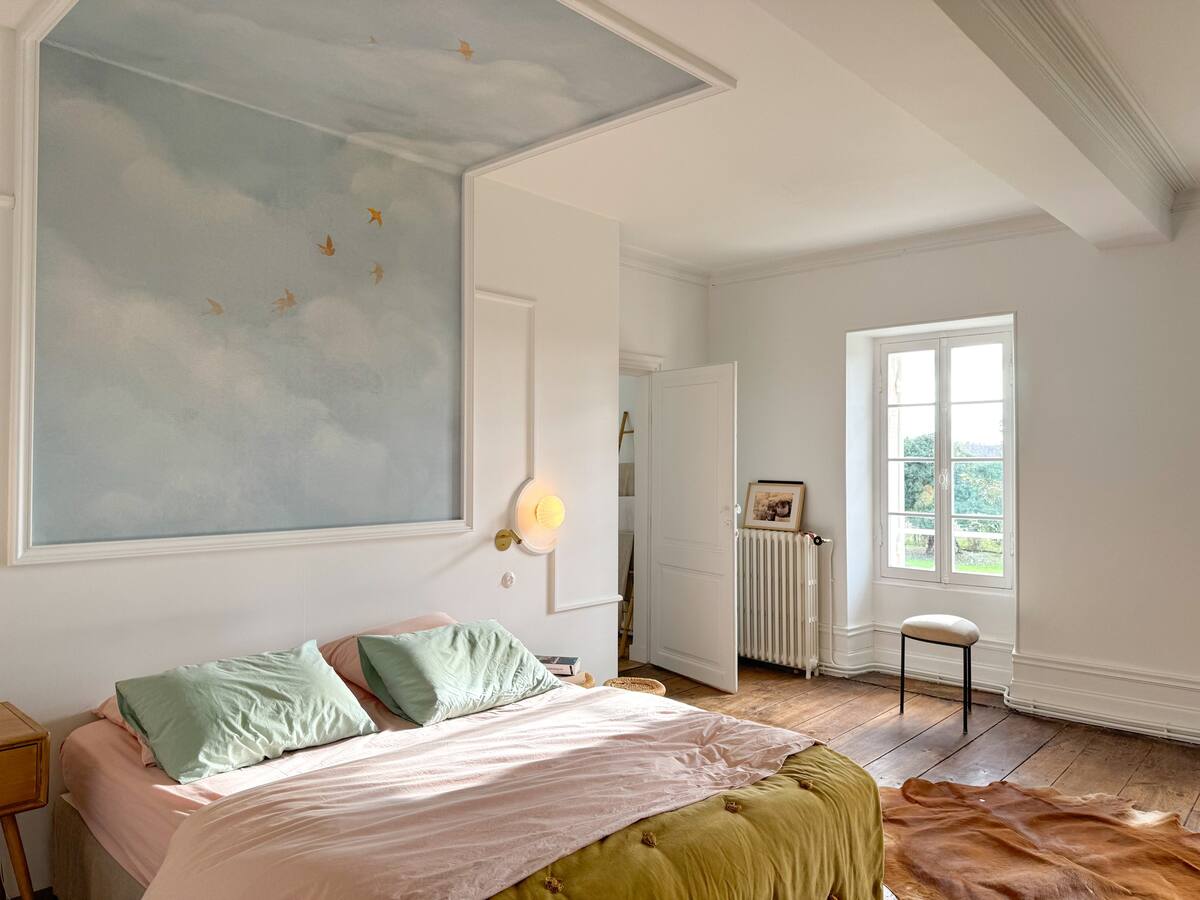
Start small, like the spot behind your bed or sofa, and create an accent wall or focal point.
Maintenance is pretty straightforward, so if you are more into low-commitment options, this is the perfect choice. Regular dusting and occasional wiping with a damp cloth are all it needs! For homes with kids or pets, a clear matte sealer will add a bit more durability without changing the look.
It’s a budget-friendly project for the weekend that delivers an amazing visual impact to your spaces. Brands worth checking out include Portola Paints for designer-worthy colors, budget-friendly Romabio, and Color Atelier for authentic Old World finishes.
Venetian Plaster: Luxurious Depth and Shine
If limewash is the casual chic of textured wall treatments, then Venetian plaster is definitely the luxury statement piece!
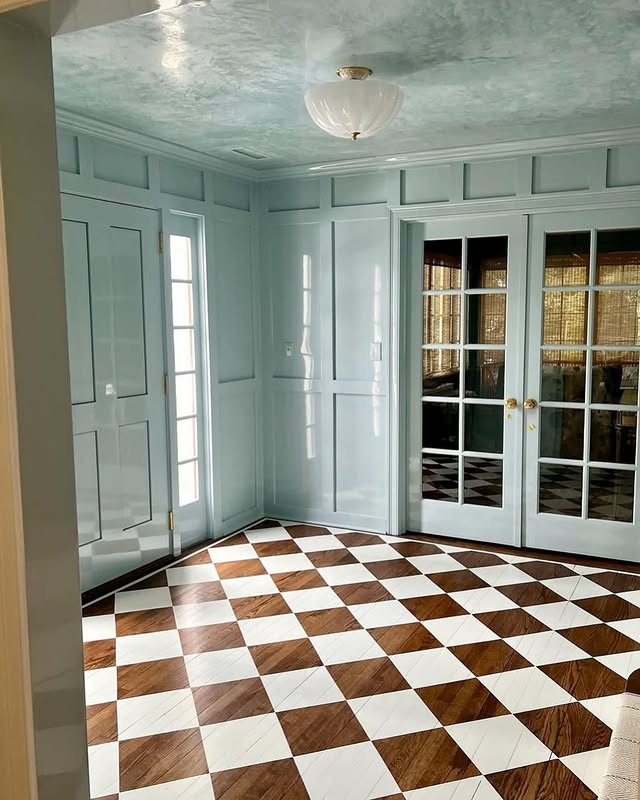
Before we dive into examples, we need to go over an important detail. Authentic Venetian plaster has marble dust mixed with lime putty, and that’s what gives Venetian plaster that jaw-dropping glossy marble-like texture.
Modern adaptations use similar techniques but often incorporate contemporary materials that make application more forgiving.
The beauty of true Venetian plaster is its ability to mimic polished stone. When applied correctly, it creates a surface with subtle depth that makes light reflect in a way that looks like it’s glowing from within. Each wall is a unique piece with slight variations in tone and texture, which makes it perfect for those of you who want artisanal craftsmanship in your interiors.
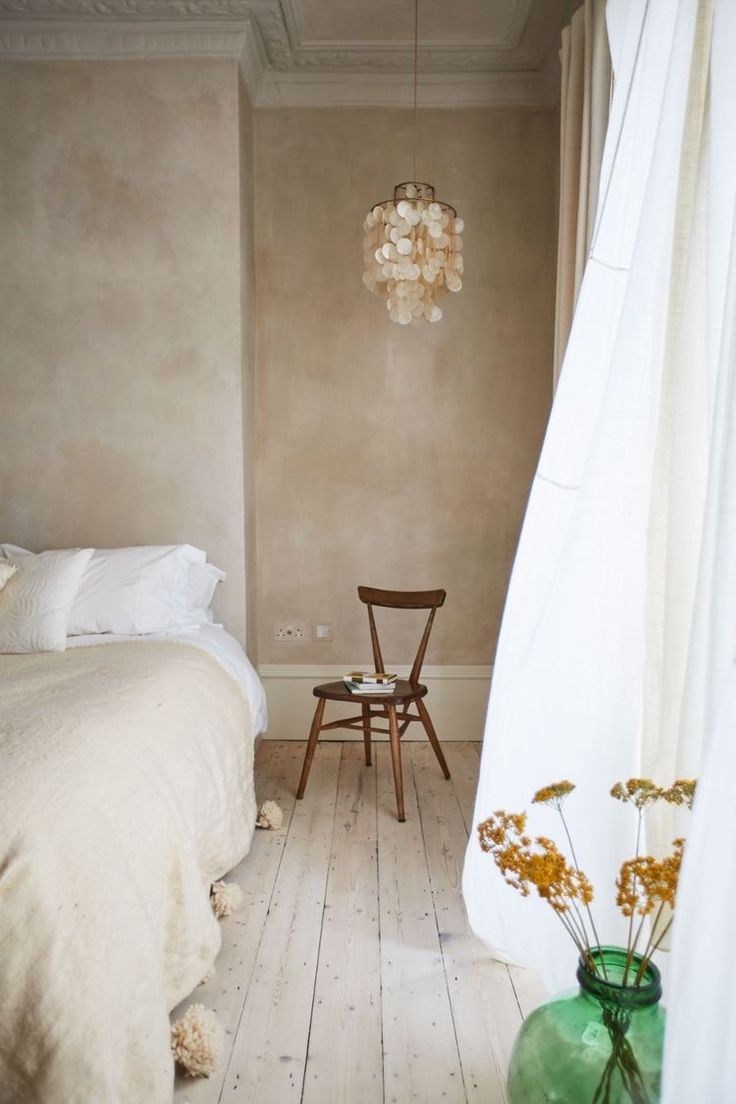
The problem? As I mentioned, you can’t fake the authentic technique with paint.
It’s not just uber-expensive but also requires a very highly skilled person to get it right, which is not so easy to find.
But we do have a few alternatives on the market that replicate the result in a “faux” style that, while not the same, accomplishes the look.
What makes this finish special is its subtle dimension and light-reflecting layers. When done right, it creates a surface with depth that seems to change as you move around the room. It’s breathtaking!
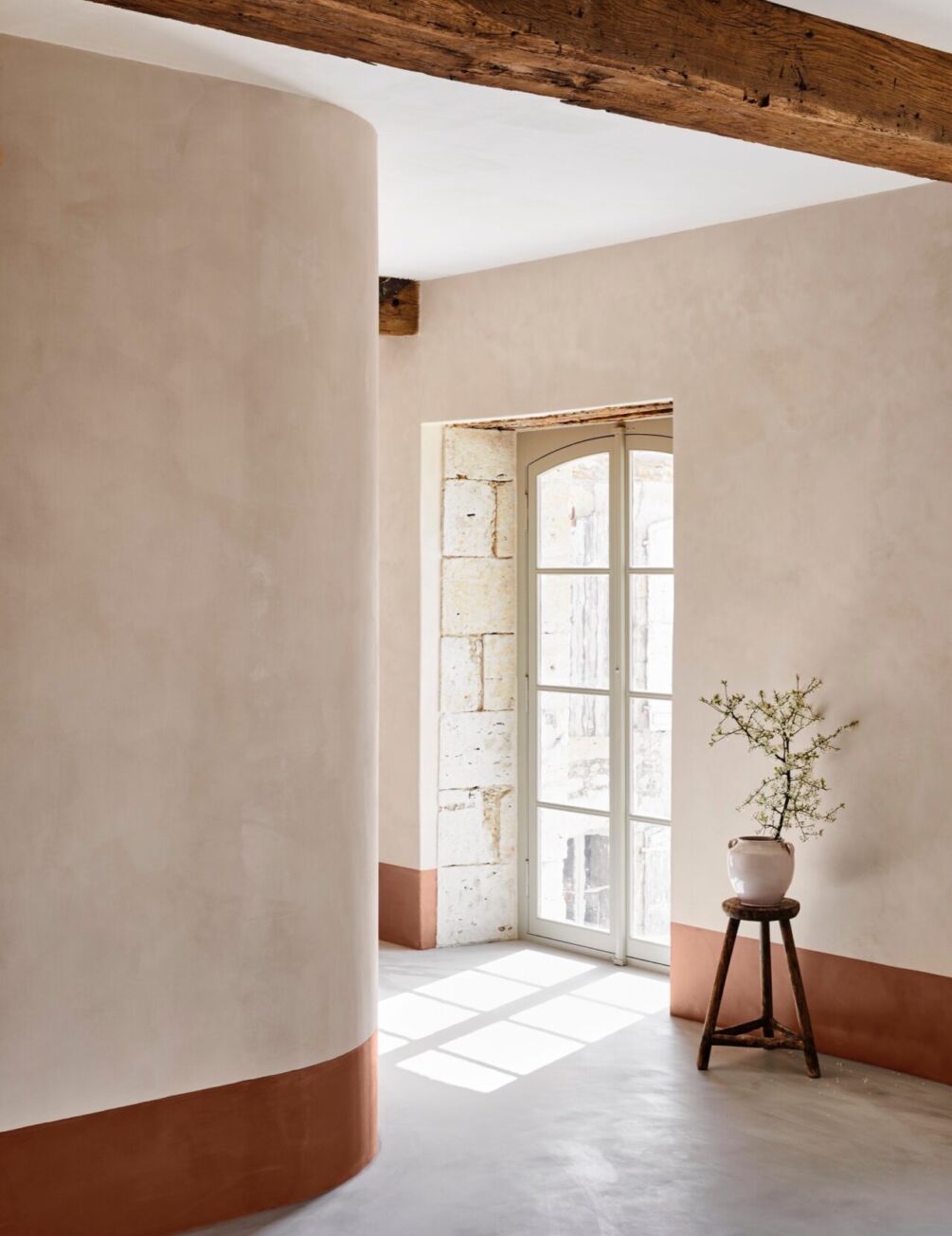
The traditional application involves multiple layers applied with a metal trowel, with each layer requiring drying time before the next goes on. The final burnishing step (polishing with the edge of the trowel) creates that sleek, almost mirror-like finish that’s impossible to achieve with paint alone. For the real-deal finish, hiring a professional is your best bet—this is a specialized skill that takes practice to master.
Once applied, Venetian plaster is super practical! It’s naturally resistant to mold and mildew, durable, and easy to maintain with just occasional dusting.
Micro-cement: The Contemporary Contender
Y’all looking for something sleek and modern that isn’t paint? Micro-cement might be your perfect match. Unlike traditional concrete, which is thick and structural, micro cement is a super-thin cement coating that can be applied over existing surfaces.

Sleek and understated, micro-cement is a unique option in textured wall treatments. It makes for the most perfect backdrop for both minimalist and eclectic decorating styles while offering amazing durability.
What makes micro-cement stand out is its seamless look. There are no grout lines or joints to break up the surface, which creates that coveted clean aesthetic that modern design lovers crave.

The finish can range from silky smooth to subtly textured, depending on what look you’re going after. If you appreciate clean lines and sleek surfaces, micro cement is one of the best textured wall treatments you can go for.
The versatility of micro-cement is where it really shines. Beyond walls, it works beautifully on floors, countertops, shower surrounds, and even furniture. This makes it an ideal option if you’re a fan of home decor styles like Japandi or earthy spa-like minimalism, where visual continuity throughout is essential.

Application is typically a multi-day process involving a primer, several thin layers of the micro-cement mixture, and a protective sealer. While some ambitious DIYers tackle this project, the learning curve is steep! I highly recommend y’all hire a specialized installer to avoid costly mistakes. The technique requires both precision and an artistic touch to achieve its signature subtlety.
This is one of those textured wall treatments that works amazingly well in high-traffic areas, thanks to its famous durability. Once properly sealed, it’s water-resistant, stain-resistant, and incredibly hard-wearing.
Roman Clay: Earthy Elegance
Unlike the glossier Venetian plaster or the more rustic limewash, Roman clay offers a velvety, almost suede-like texture that begs to be touched. It’s the perfect balance between clean modern aesthetics and natural warmth.
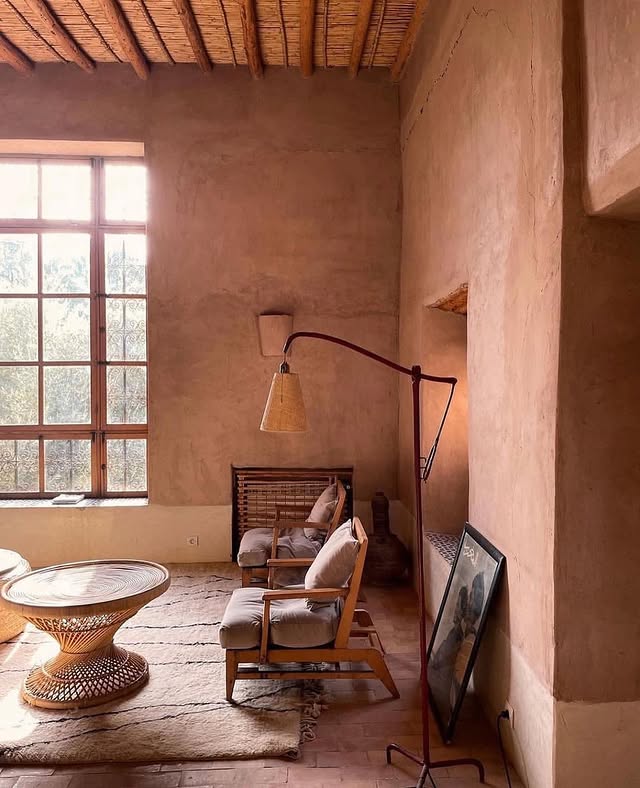
What sets Roman clay apart from other plaster treatments is its distinctive depth without shine. While Venetian plaster aims for polished marble elegance, Roman clay has a more organic and earthy feel with a subtle dimension.
The finish absorbs rather than reflects light, creating a cozy and grounded space that works beautifully in both traditional and contemporary spaces.
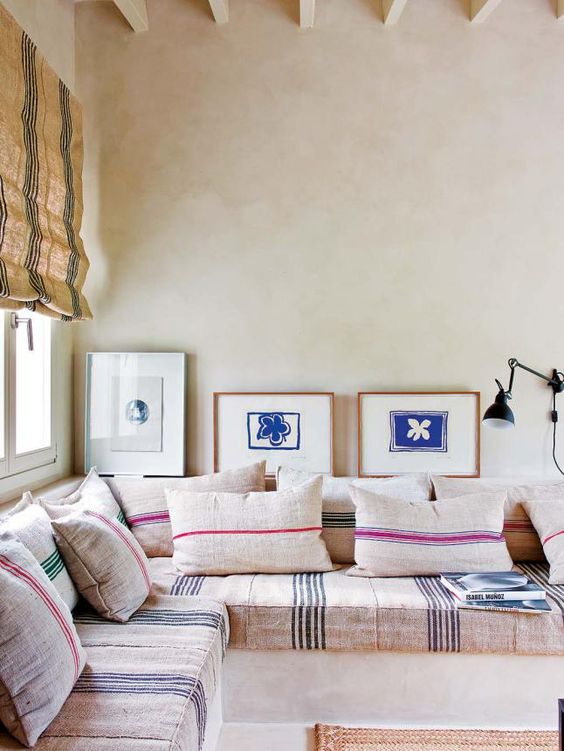
The thing I love the most about Roman Clay is all the color options! Especially the rich earth tones and subtle neutrals.
In terms of application, it’s easier than Venetian plaster, but it requires more precision than limewash. Most times, it involves two coats applied with a specialty trowel, with the second coat determining the final texture and appearance.
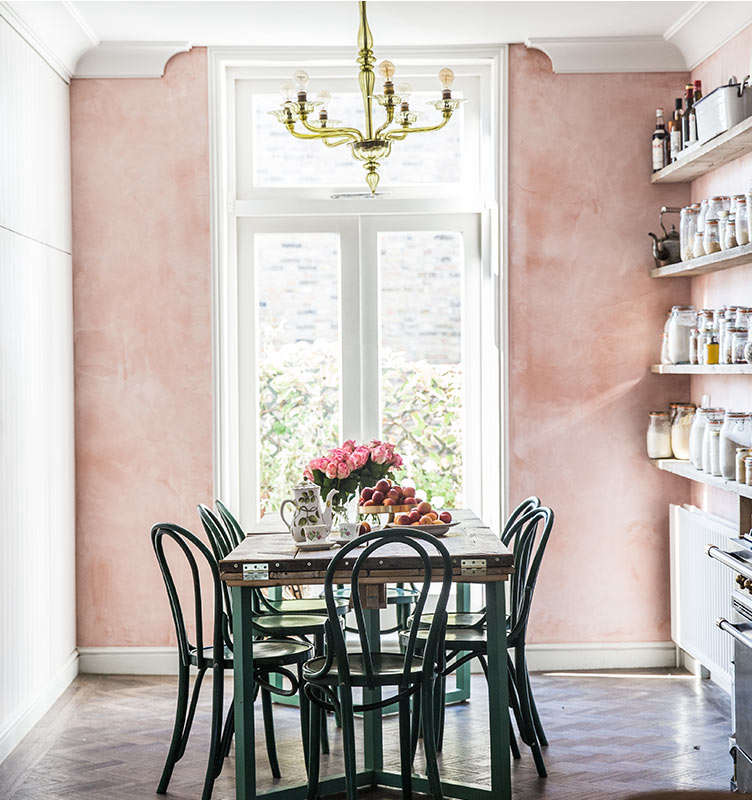
For textured wall treatments, this technique is more forgiving than some other plaster methods, which makes it way more accessible for DIYers with some patience and practice. But if you’re more of a perfectionist, opt for a professional to make sure you get that seamless and buttery-smooth finish.
Textured Wall Treatments Roundup
Textured wall treatments aren’t just a design trend. They’re a return to craftsmanship and depth that our homes have been missing!
If y’all are feeling inspired but a bit overwhelmed, remember that texture doesn’t have to be an all-or-nothing commitment. Start with a single accent wall in a bedroom or powder room.
Try one of the DIY-friendly options before investing in professional-level treatments. Even small applications make a dramatic difference in how a room feels and photographs.
What’s your favorite textured wall treatment? Have you tried any of these techniques in your own home? I’d love to hear about your experiences in the comments below!

If you enjoyed this blog post, be sure to check out these too!
Colonial Home Style: Ideas for a Traditional Look
Brunette Flooring: Why Dark Wood Floors Are the Hottest Home Trend of 2025