Decorating With Neutrals – 10 Important Designer Tips
This post may contain affiliate links. For more information, please see our disclosure policy.
In doubt? Go neutral! These 10 designer tips will teach you the basics of neutral decor and show you that decorating with neutrals is anything but boring.
Timeless, versatile, and oh-so-chic. That’s decorating with neutrals for me!
We’ve explored so many interior design styles in previous posts, from Maximalism to European-inspired and even Cottagecore. And, while I love experimenting with them, there’s something so calming about going back to basics and getting inspired by neutral interiors.
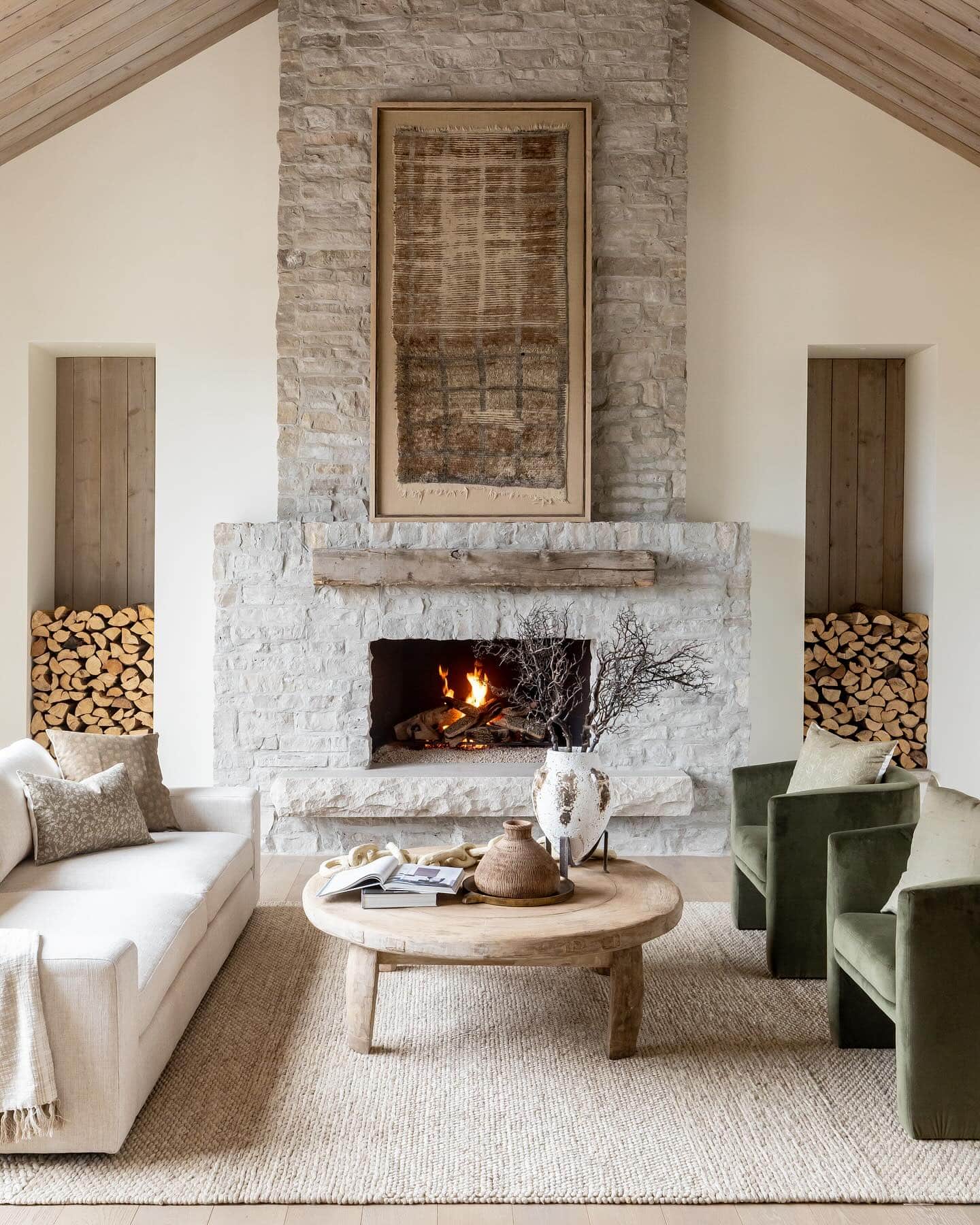
In my many years in the interior design world, I’ve learned that just decorating with neutrals is enough to create artwork-like homes. The only secret is how you use them!
Now, I know you may be thinking—Neutrals? Boring! But trust me, there’s nothing dull about a well-executed neutral palette.
Decorating a Room With Neutrals: 10 Designer Tips
Decorating with neutrals can create versatile spaces that brim with personality while being flexible to lifestyle changes. It’s not about playing it safe; it’s about mastering the art of subtlety and dimension!

Let’s begin, shall we?
1. Layer Your Neutrals
The art of layering neutrals is the cornerstone of sophisticated and timeless design. It’s about crafting interesting spaces through thoughtful combinations beyond basic beige. The key lies in selecting a range of neutral tones that complement each other while offering contrast and dimension.

The goal is to build depth without relying on bold colors. And, to do this, starting with a foundation for your neutral base is the best option. Then, you can start introducing variations in both lighter and darker shades.
This will help you create a successful layered look and make it less overwhelming to those who are new to decorating with neutrals.
2. Understanding Warm vs. Cool Undertones
The key to harmonious and stylish neutral interiors lay in the subtle differences between warm and cool undertones.
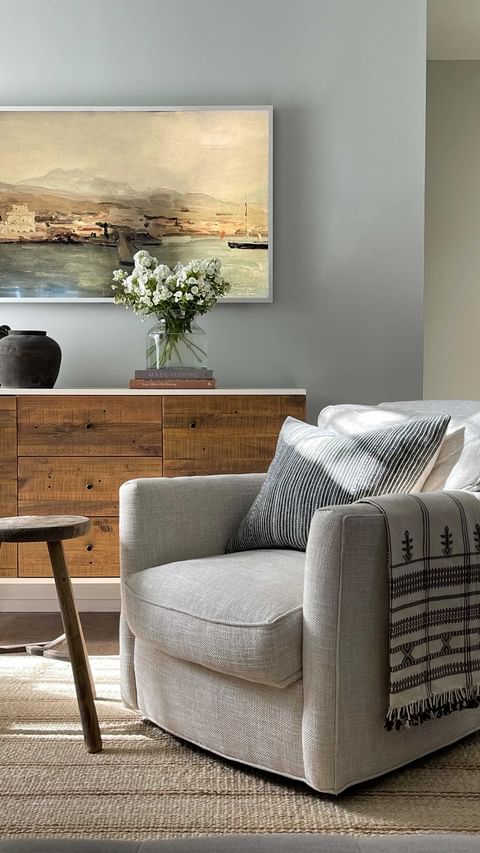
Warm neutrals—think creamy ivory, rich camel, or honeyed beige—carry red undertones. These hues create a sense of coziness and intimacy, which makes them ideal for creating inviting living spaces.
Cool neutrals, such as crisp gray, soft taupe, or icy white, have blue undertones.
We often see them in sleek and modern spaces, because these colors are fantastic for creating a sense of calm and sophistication.

The real magic happens when you blend these two color families. A room awash in cool light grays might feel stark, but introduce a warm oatmeal-toned rug or leather accent chair in a rich rusty color, and suddenly the space feels balanced and more inviting. This works both ways! You can give a warm neutral room depth and interest with touches of cooler tones like black, navy, and green.
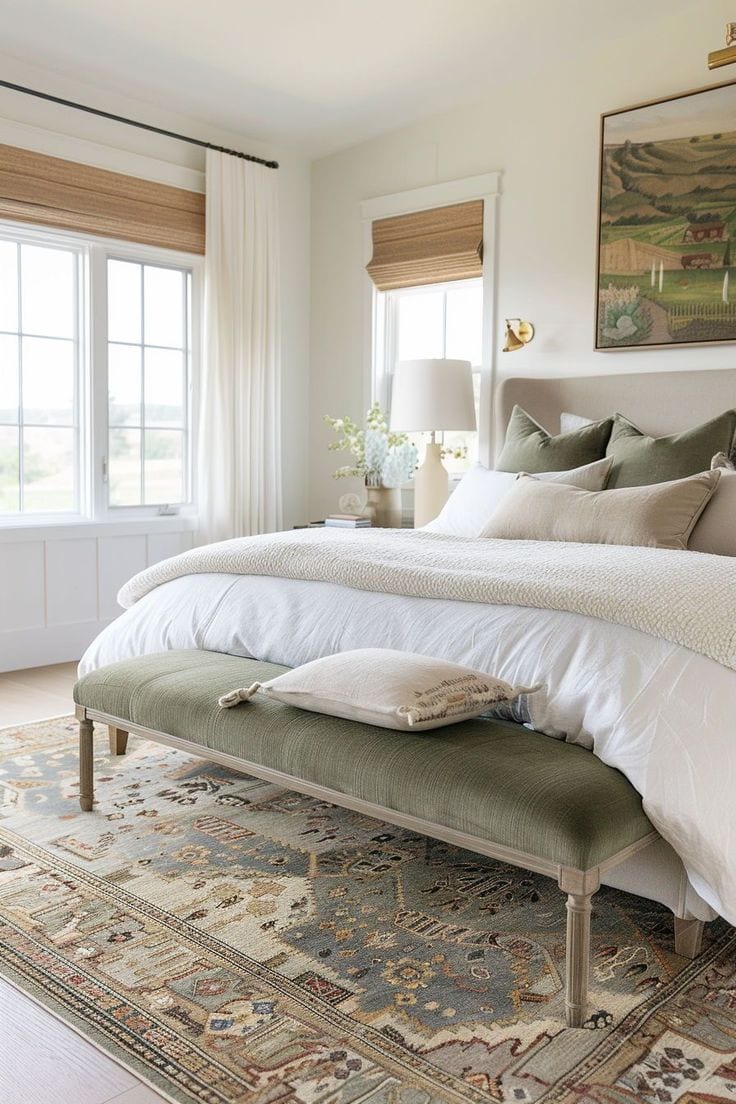
It’s all about how you balance these two undertone groups and which one you want to dominate the room’s style.
3. Embrace Texture
When decorating with neutrals, we don’t have many options for bold colors to add interest and depth. So, we have to think in more nuanced ways to attract the eye, and one of these options is often overlooked – textures.
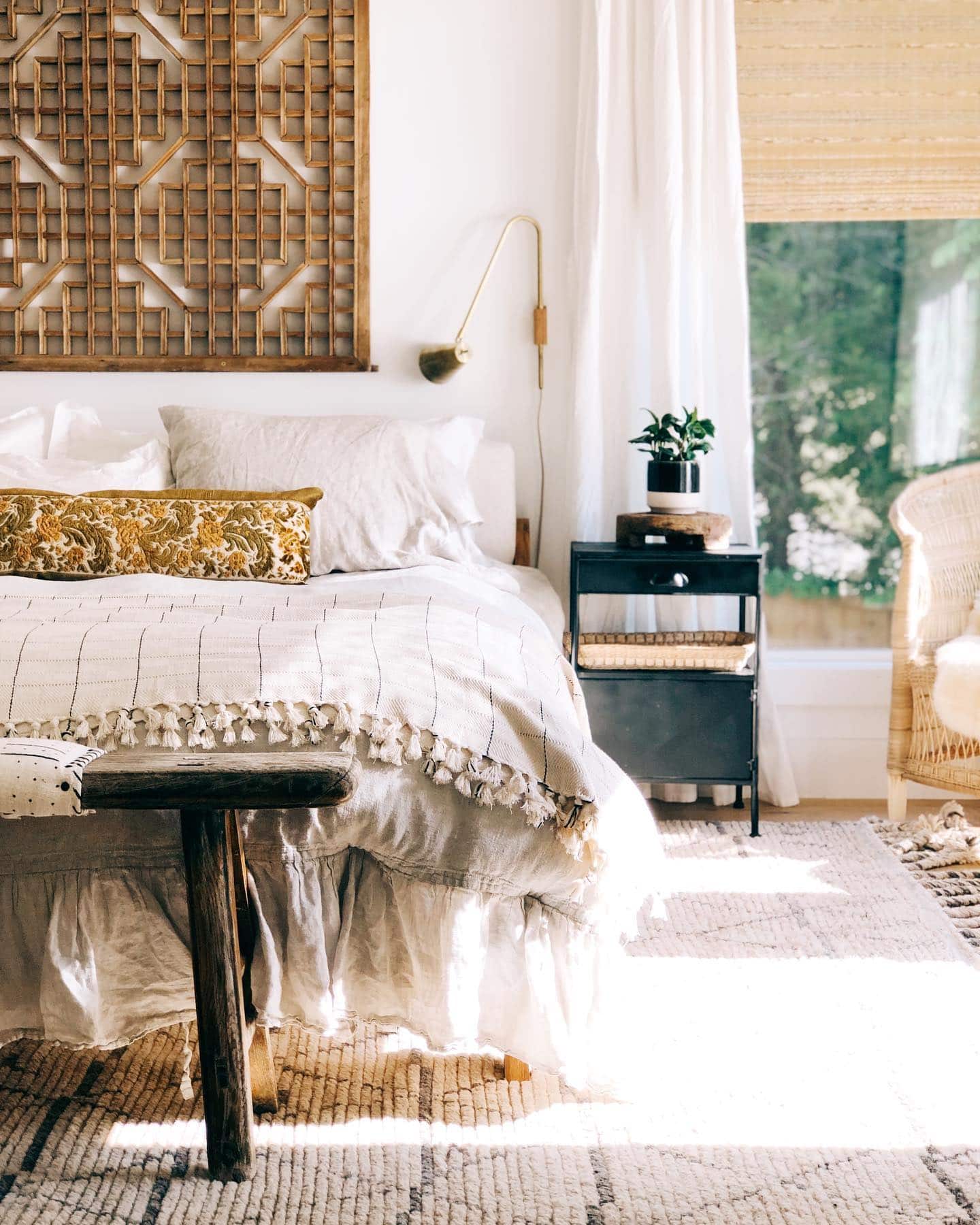
Now, why is texture so crucial when decorating with neutrals? In a room dominated by similar hues or monochromatic schemes, a mixed array of textures can help you create much-needed focal points and contrast while keeping your decor within the neutral family.
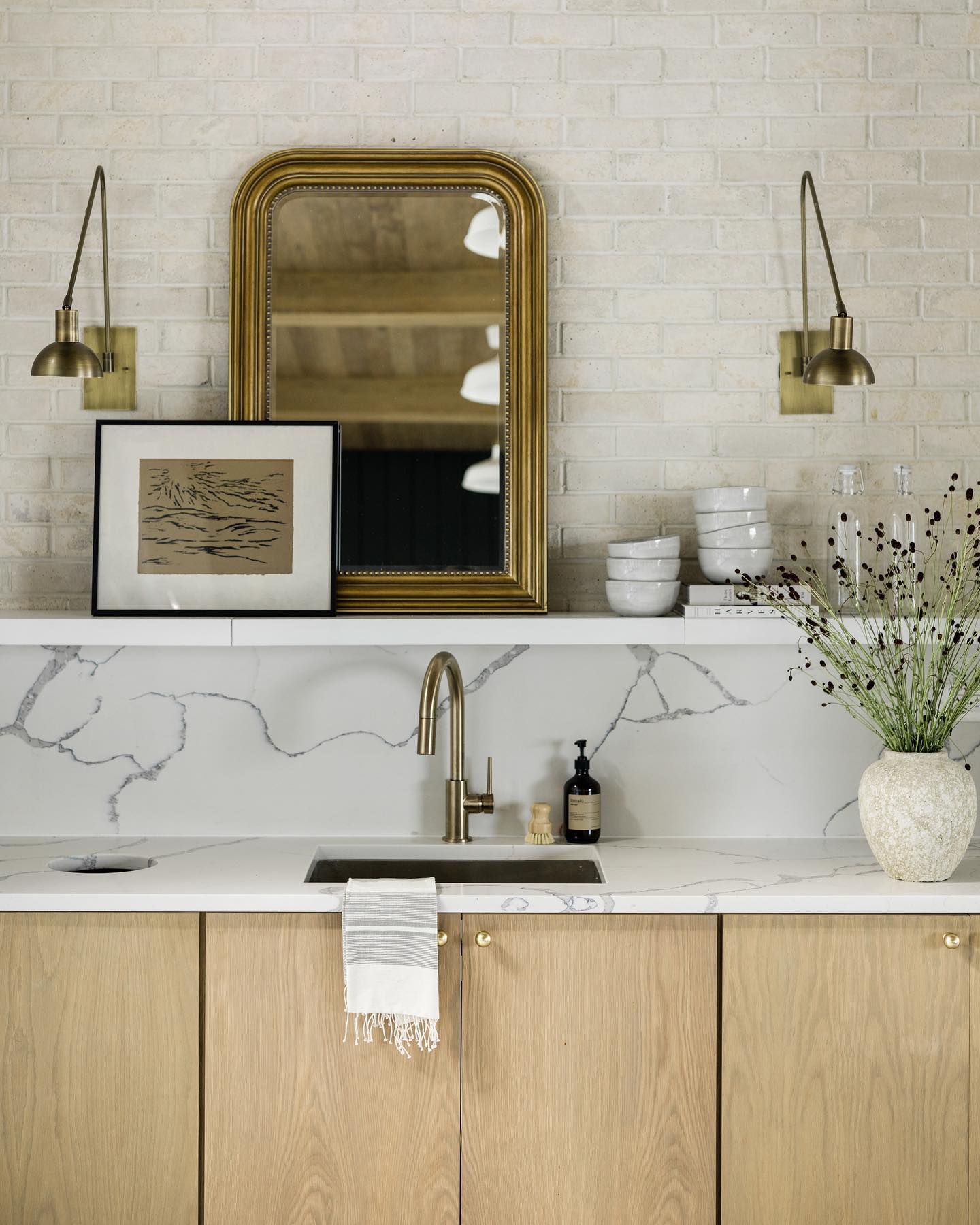
Textures invite the eye to linger, engage our sense of touch, and add complexity with depth, contrast, and visual interest. This may seem like a detail, but it can transform a potentially flat neutral interior into a rich and layered space.
So, when decorating with neutrals, consider the interplay of different materials, such as these:
- Soft elements: Think chunky knit throws, faux fur pillows, velvet ottomans, or tufted wool rugs.
- Natural materials: Introduce woven rattan, rough-hewn wood, or polished stone.
- Fabrics: Mix silk, linen, cotton, and wool in varying weaves and finishes.
- Wall treatments: Consider grasscloth wallpaper, textured paint techniques, textured tiles tile, or lime-wash paint.
- Decorative objects: Incorporate ceramic vases, woven baskets, or sculptural pieces.
4. Balancing Light and Dark neutrals
A neutral palette doesn’t have to be synonymous with airiness and light colors. Incorporating deeper neutrals can be the missing key to elevating your space from being pretty to truly captivating!
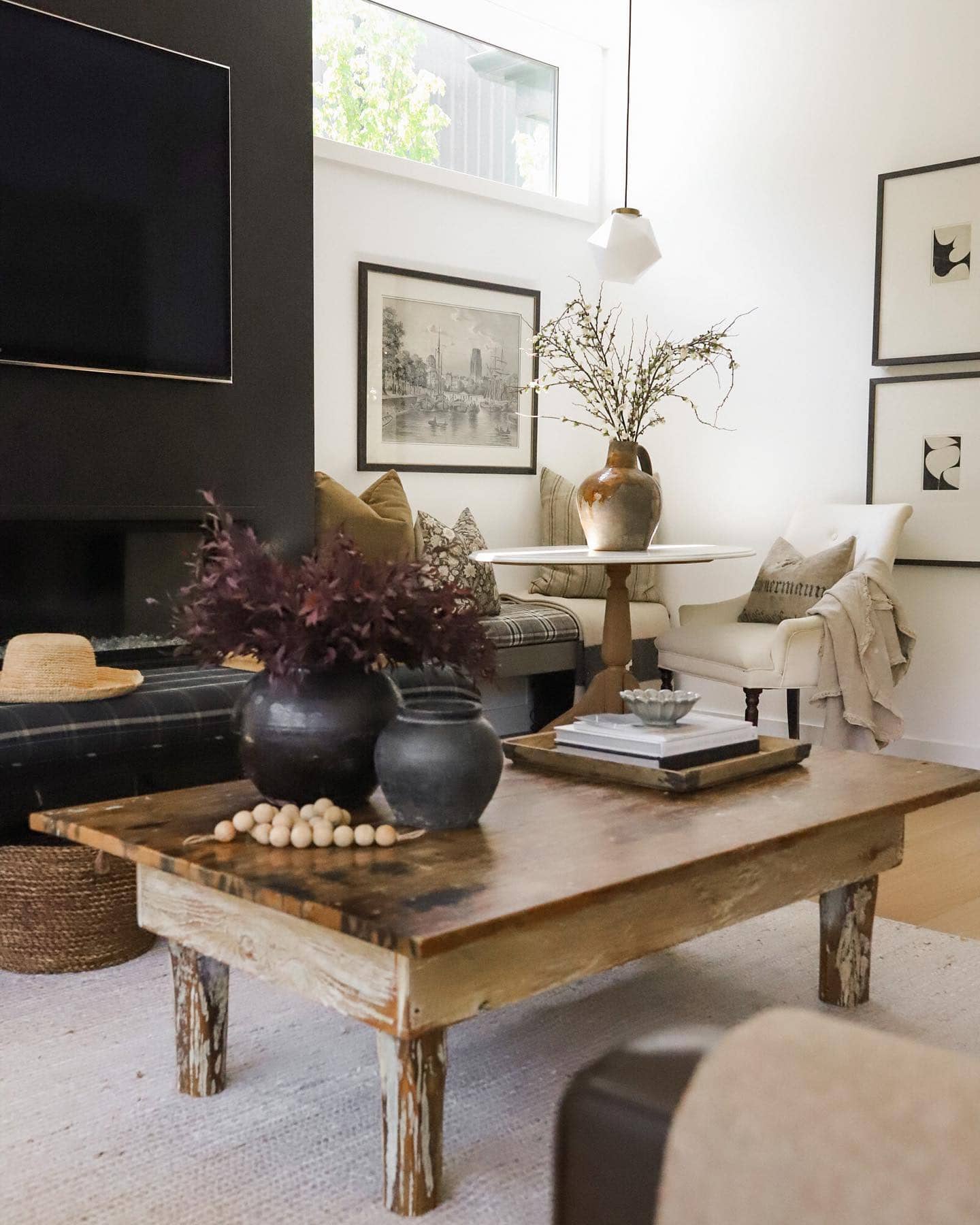
These richer hues—think deep charcoals, smoky taupes, and warm chocolates—add a little drama and sophistication to your design.
Deeper neutrals create visual weight and serve as anchor points, grounding your space. They can define focal areas, add depth to architectural features, or create cozy nooks. The key to successfully using darker neutrals lies in balance. Pair them with lighter shades to create contrast and prevent the room from feeling heavy or closed-in.
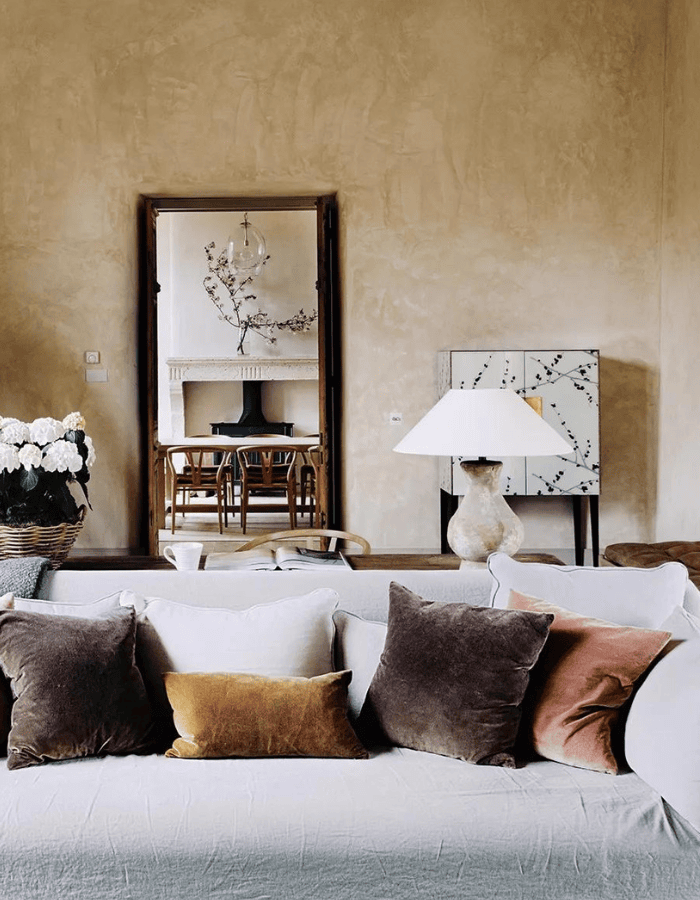
So, don’t shy away from using darker tones on larger surfaces—they can transform the entire mood of a space.
5. Natural Elements Are Your Best Friend
Adding natural elements is a simple way to add contrast and texture, making a space feel more inviting and lived-in without disrupting the color palette. This is fantastic to counteract the potential sterile feel of a strictly neutral color scheme.
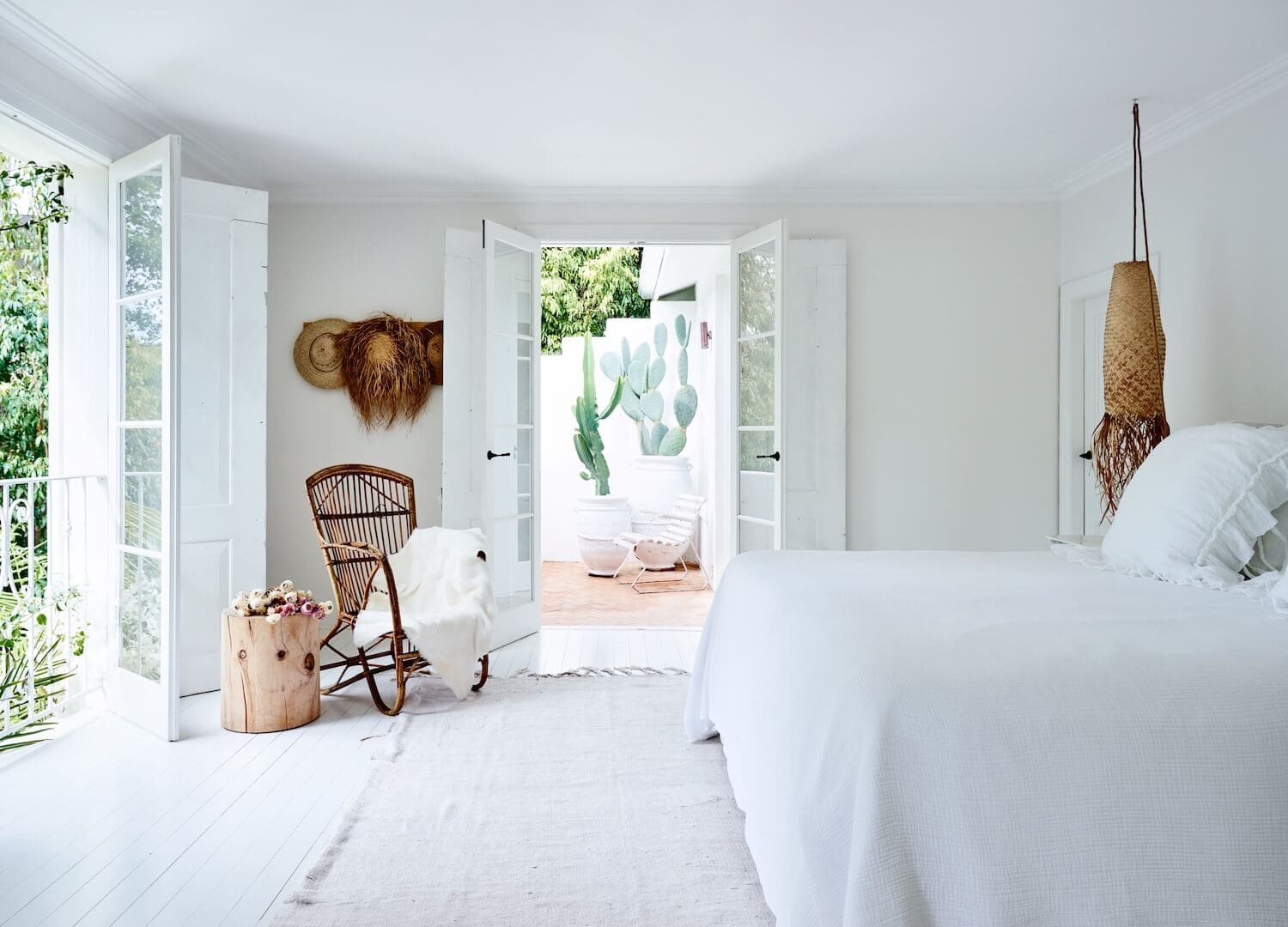
From smooth to rough, polished to raw to glossy, there are plenty of options to choose from depending on the style you go for.
Materials like wood, stone, and plant fibers easily meld into neutral schemes, adding to the overall design rather than competing with it.
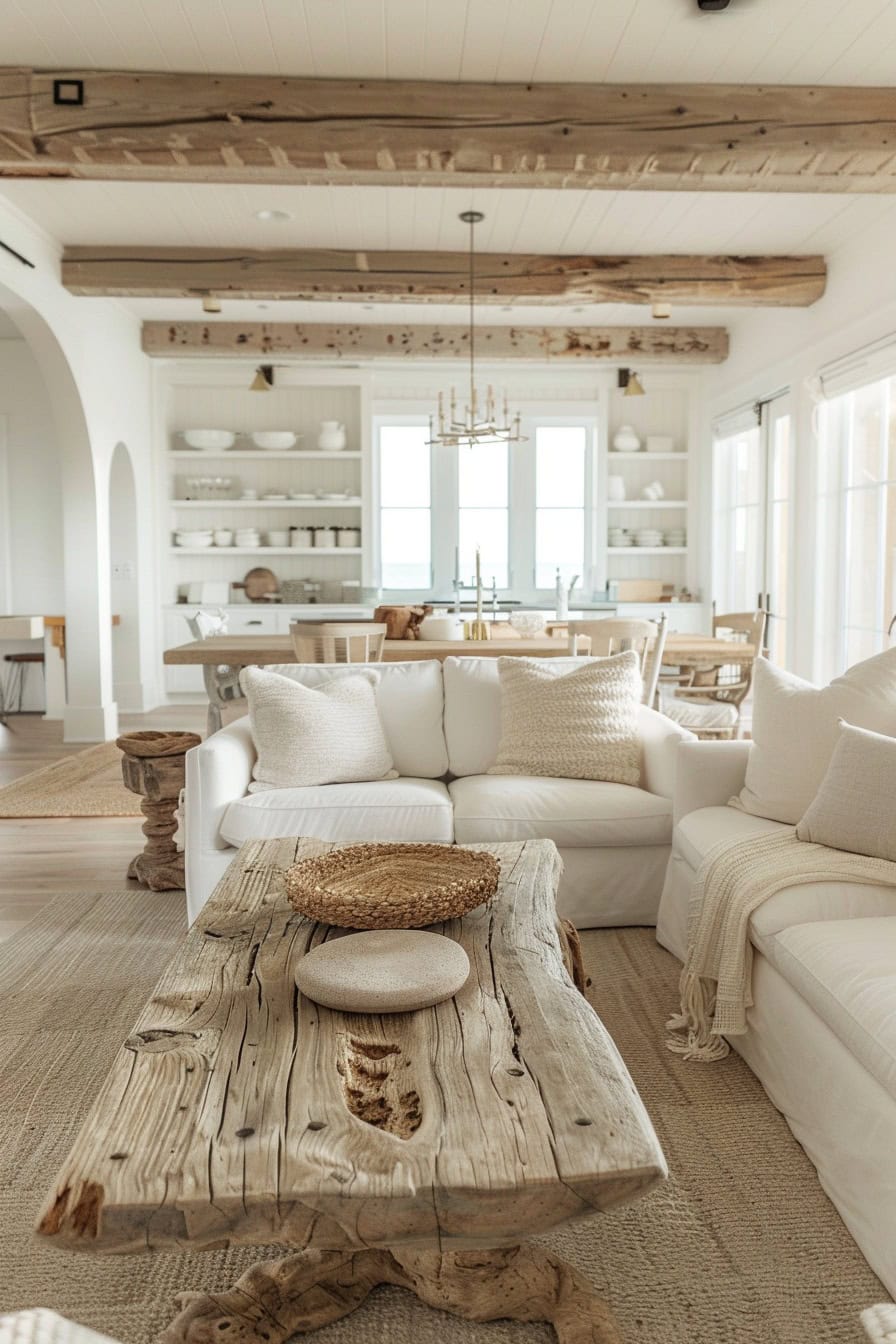
When selecting natural elements, check how they interact with your chosen neutral palette. Try to find a balance that complements your color scheme while introducing subtle variations in tone and texture.
6. Metallics: The Secret Weapon
The reflectiveness of metallics is key to creating an impact when decorating with neutrals. Metallic elements interact with light in unique ways, creating subtle variations in tone and brightness throughout the day.
These shimmering accents—be it gold, silver, copper, or bronze—introduce a layer of luxury and visual interest without overpowering your carefully crafted neutral palette.
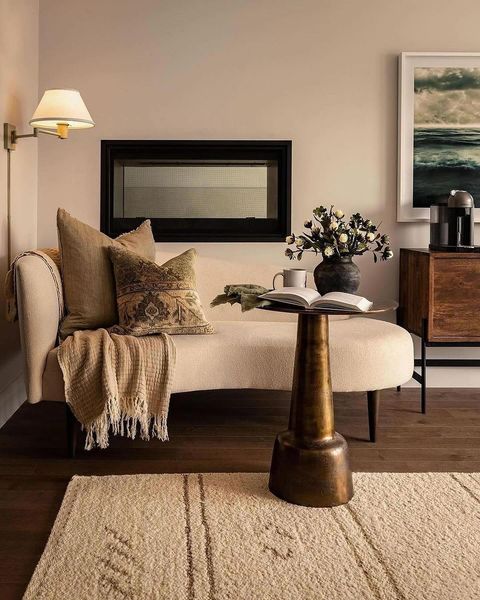
When incorporating metallics, the best is to use them carefully. Think of them as finishing touches—a little goes a long way.
A brass lamp, silver picture frames, or copper vases can serve as focal points, drawing the eye and adding depth to your design.
If you want something bolder, mixing metallic finishes is the way to go! Mixing glossy and shimmering finishes against opaque ones will elevate your room instantly, creating a nuanced and collected look.
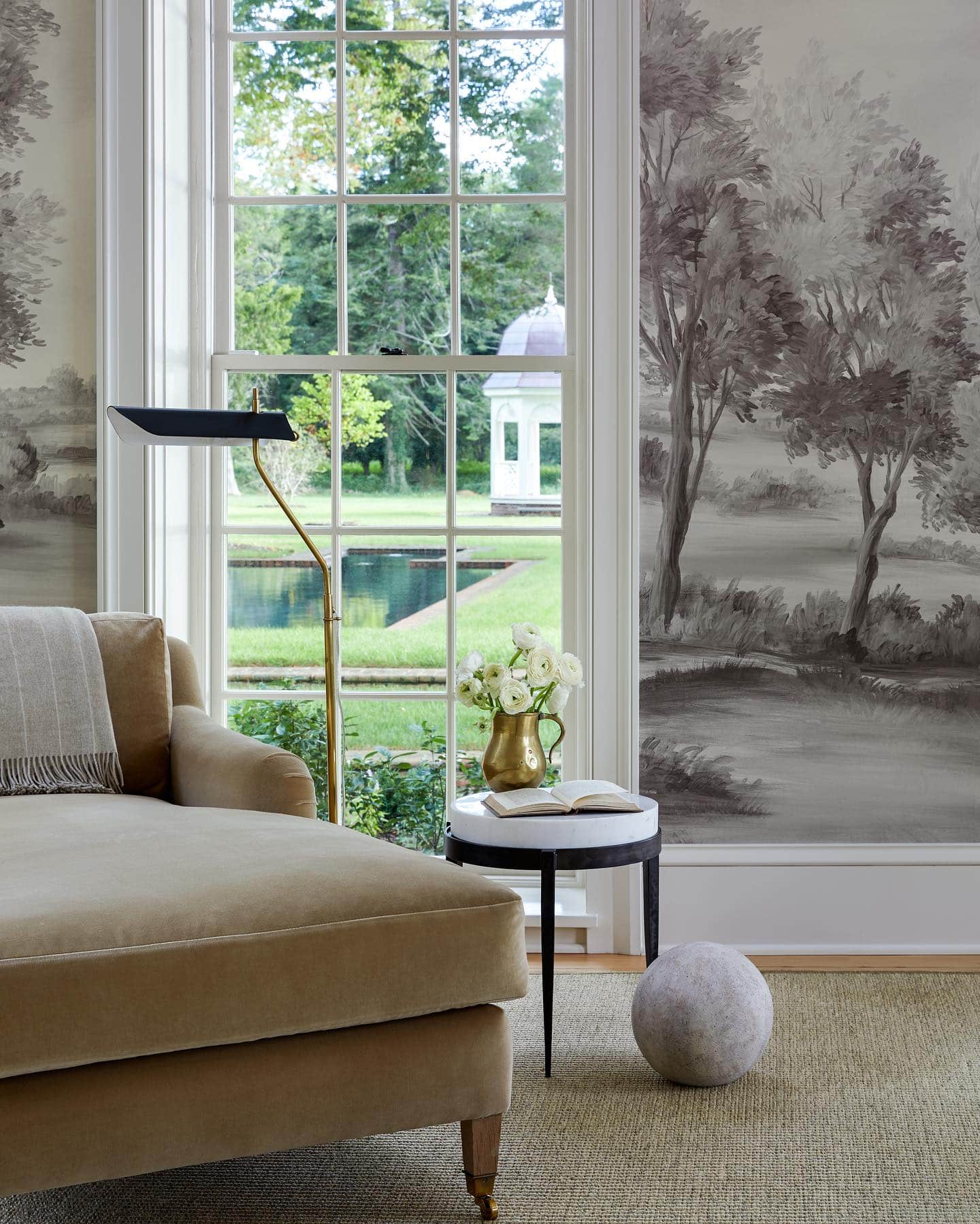
The goal isn’t to create a glitzy and over-the-top look. Instead, use metallics to enhance the sophistication of your neutral palette, adding just the right amount of sparkle to make your space truly shine.
7. The Power of White Space
White space, or negative space, is one powerful tool in neutral design. It helps to create some breathing room and avoid a cluttered look.
If you’re thinking about blank walls—think again! This concept applies to the arrangement of furniture, the spacing of decor items, and even the layout of textiles. By carefully balancing filled and empty areas, you create a sense of calm and intentionality in your neutral space.
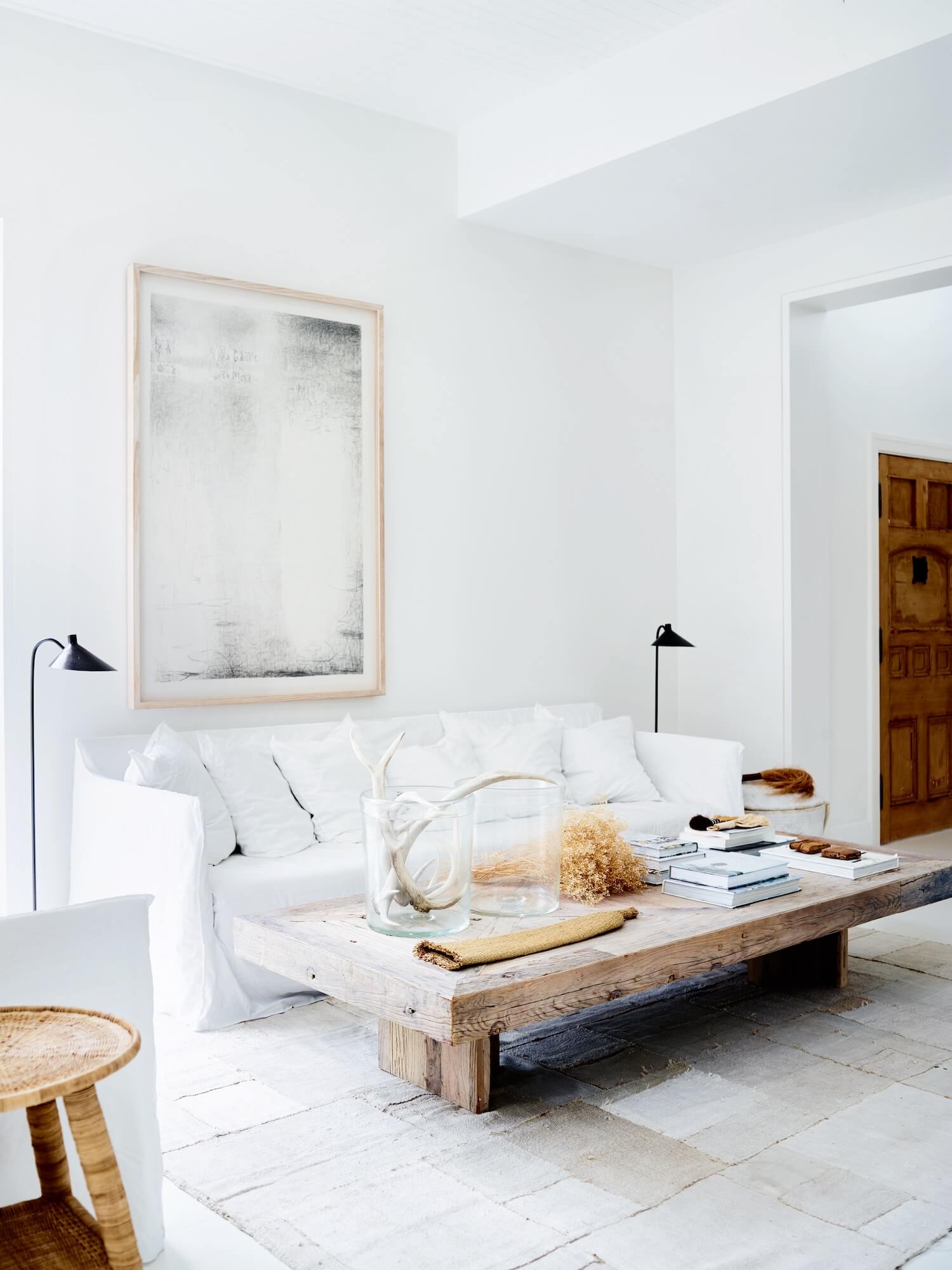
Remember, white space isn’t always white—it’s simply the unoccupied area that gives the eye a place to rest, making your entire design more balanced and refined.
8. Lighting: Set the Mood
In a neutral palette, where color variation is subtle, lighting becomes crucial. It can highlight textures, create depth, and alter the perception of your neutral hues.
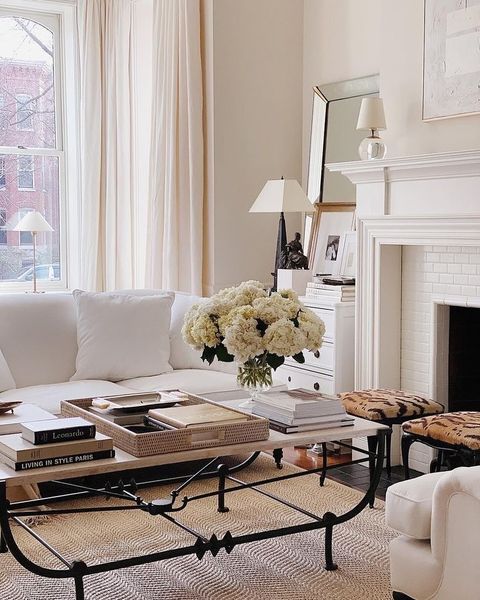
My biggest tip? Layer your lighting sources! Combine ambient, task, and accent lighting to create a multi-dimensional effect. Warm-toned bulbs can enhance the coziness of neutral spaces, while cooler tones can crisp up a room.
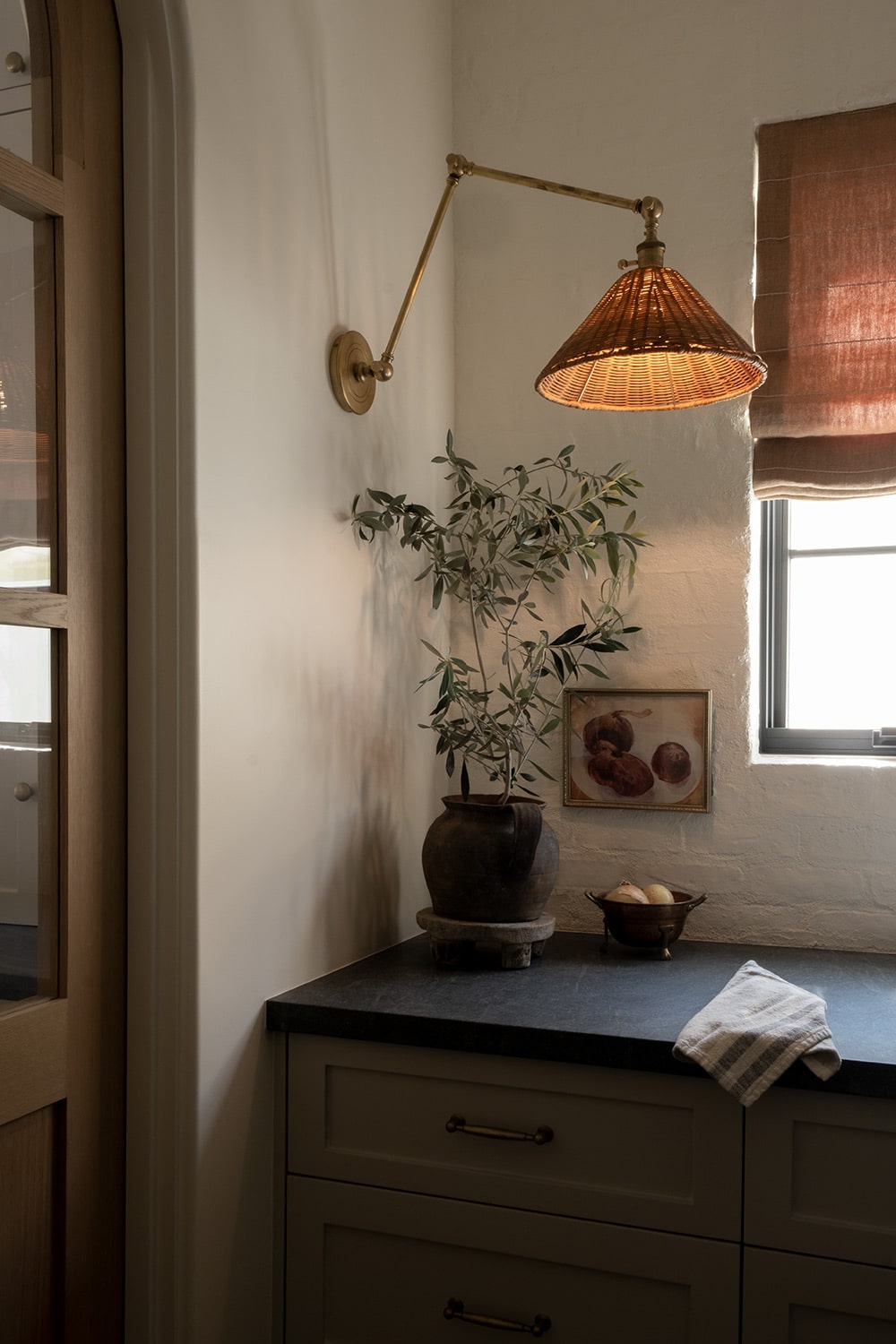
If you have plenty of natural light, don’t underestimate it! The subtle shifts in light throughout the day can bring your neutral palette to life, showcasing all of its nuanced beauty.
9. Art, Accessories & Patterns: Make Them Count
When decorating with neutrals, your art and accessories do a lot of heavy lifting as the finishing touches.
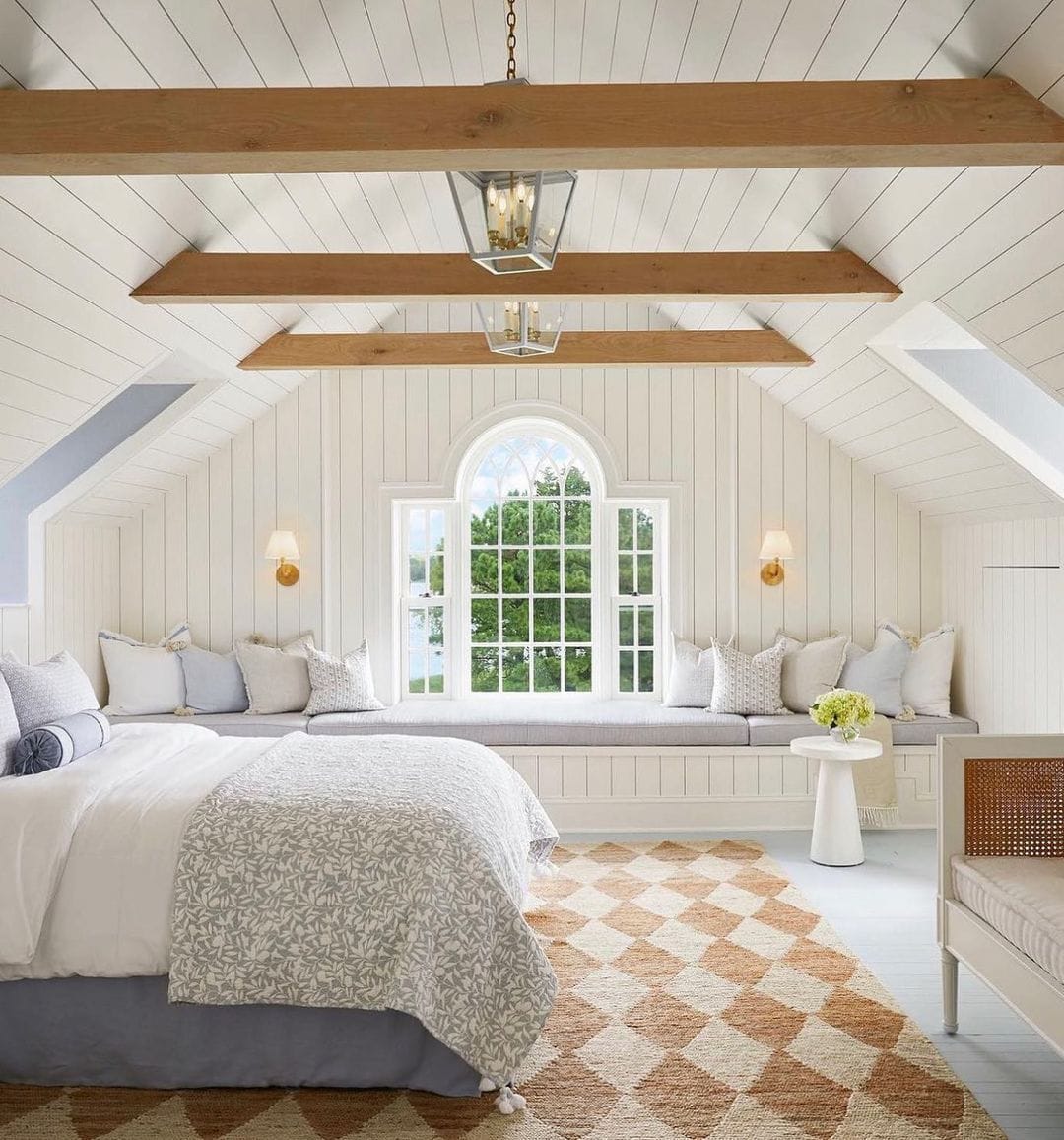
My biggest recommendation is to go for pieces that speak to you! Mix up your textures and throw in some subtle patterns to keep things interesting. But here’s the trick: be selective. In the world of neutrals, less really is more.
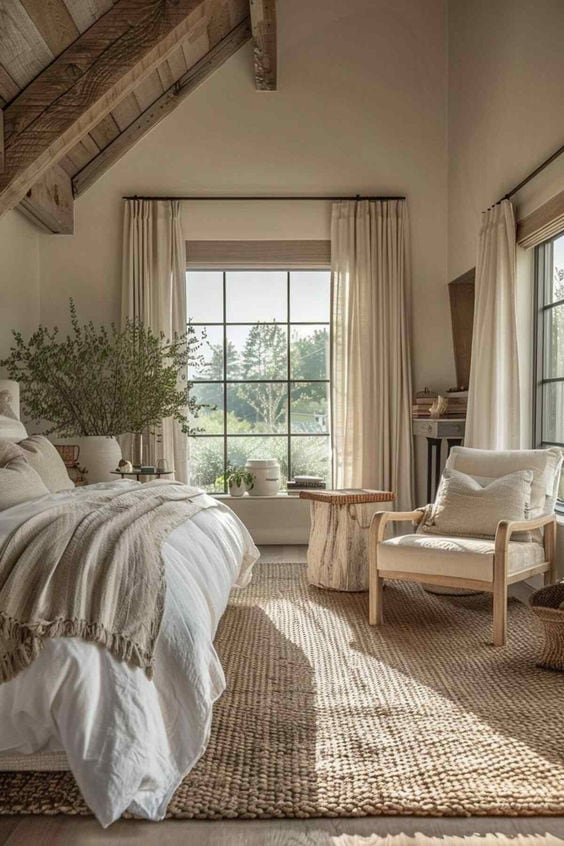
Each piece should earn its place, adding that perfect touch of personality without overwhelming your serene backdrop.
10. Add a Splash of the Unexpected
As we’ve seen, neutral doesn’t mean boring, so don’t be afraid to throw in some unexpected elements. Maybe it’s a quirky vintage find, an ultra-modern lamp, or a bold acent wall.
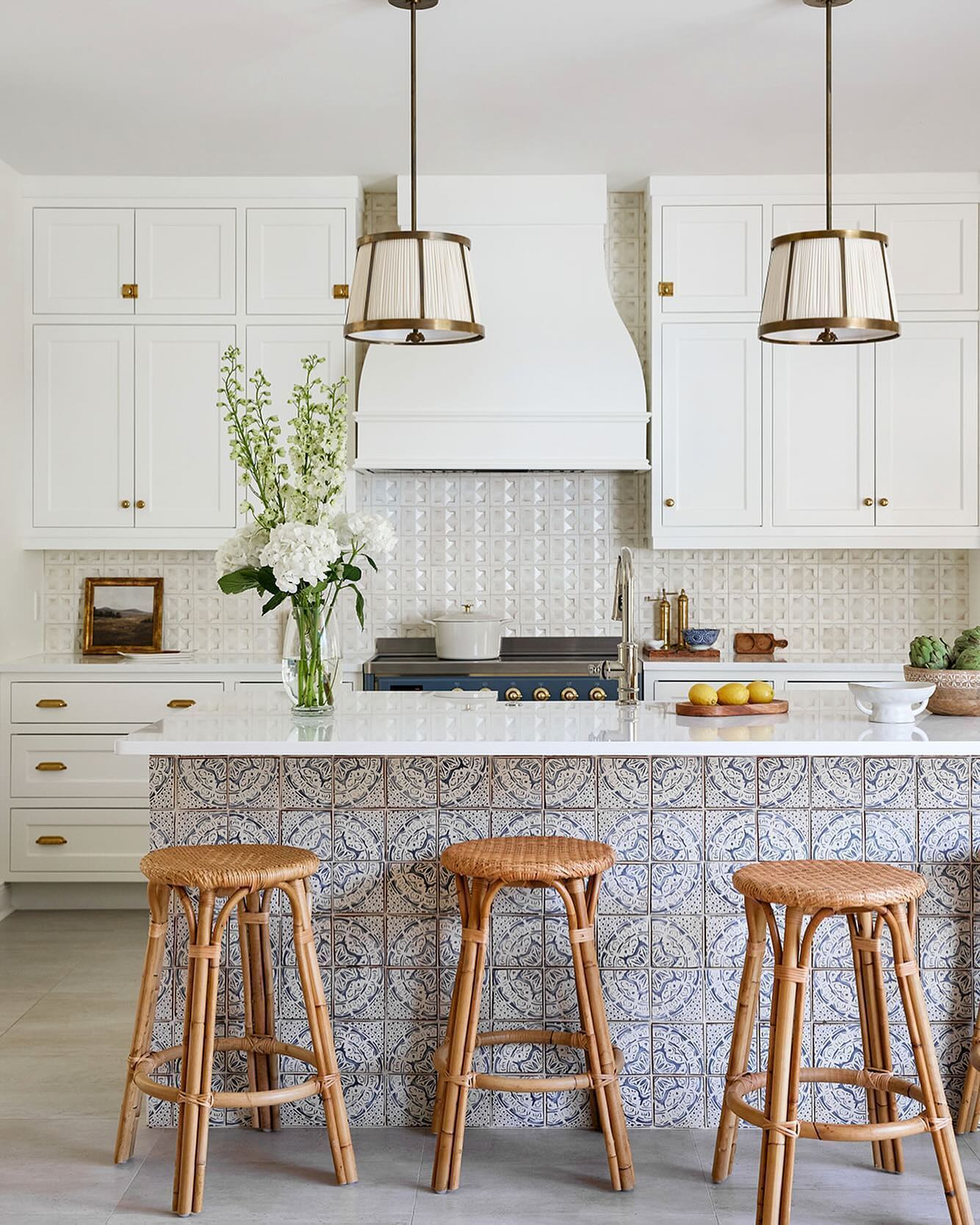
Adding just a couple of unpredictable elements will definitely add character and a bit of intrigue to the curious eye. Just remember, keep these unexpected pops of color to a minimum to get that neutral high-end feel.
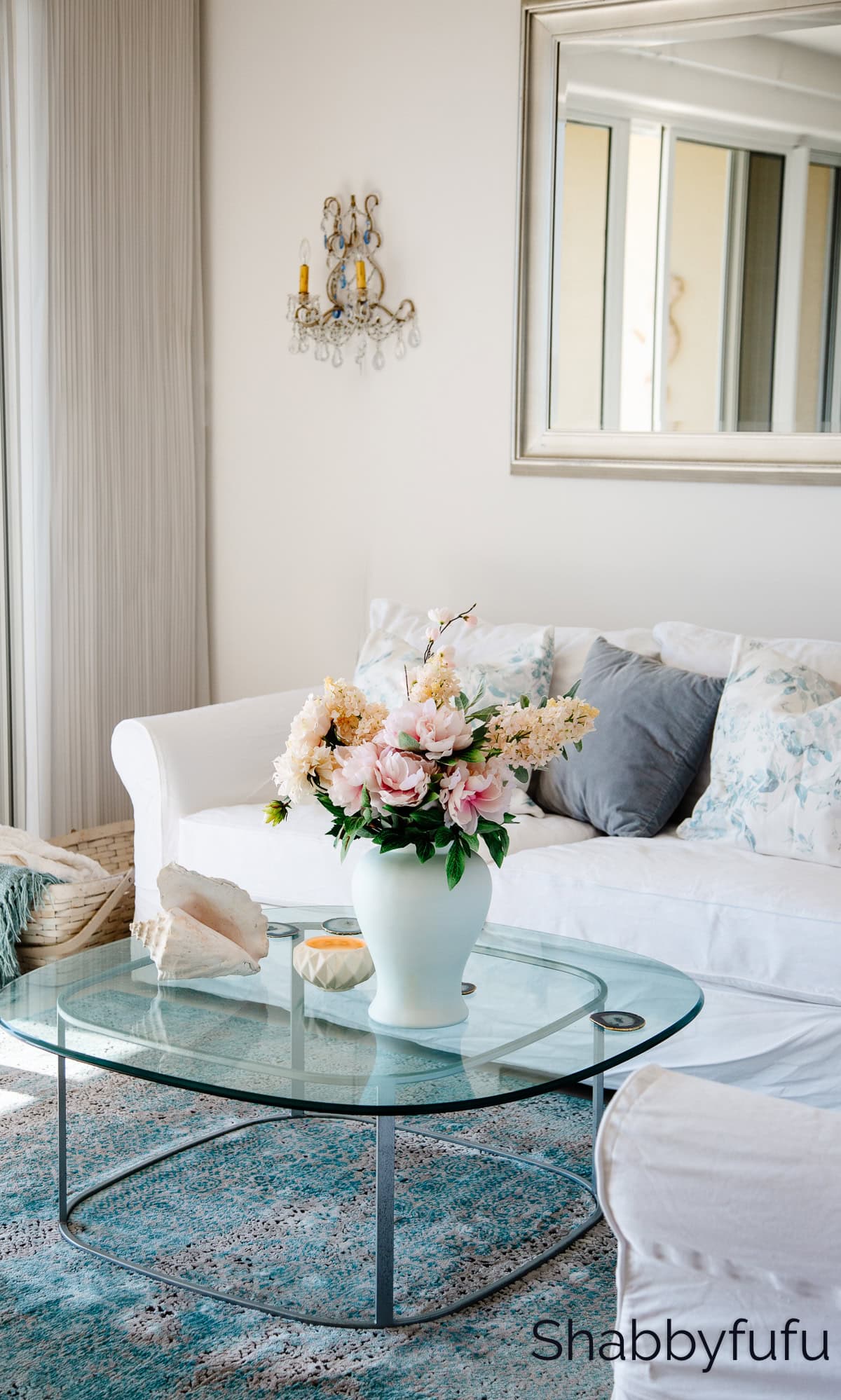
Whether you’re a minimalist at heart or just dipping your toes into the world of neutrals, I hope these designer-approved tips will help you approach decorating with this timeless palette.
If you enjoyed this post, have a look at some of my previous ones!
Designer Spotlight: Amber Lewis California Inspired Luxury Aesthetic
Minimalist Decor for Summer: Embrace the Breeze
9 Inspiring Elements For A Successful Spring Coffee Table Styling
I am beginning to love neutral’s with natural wood. There is something comforting about it. Maybe I could strip a few smaller pieces and see what that looks like. I did see a bleach you could use, but I think it would be quicker to just strip it. Hmmmm.
You could try oven cleaner to strip your test pieces and see what you think!
I didn’t know that was a thing, but I will try it.